Cultic Studies Journal, Vol. 12, No. 1, 1995, page 20
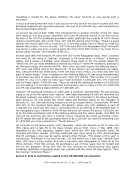
behavior the manner in which such groups recruit individuals and influence their
behavior sufficiently to move them toward terrorism, violence, and other
criminality the causes behind members leaving such groups and mental health
effects of membership in such groups.
This research project is limited to principles of undue influence and fraud. Even in these two
areas, it is striking how distinctly the law has evolved and been expressed in judicial
opinions, with so little apparent cross-fertilization as regards the similar psychological issues
in the two categories of jurisprudence. Mr. Justice Brennan‟s thoughtful synthesis in
Kozminski is a rare exception. It appears that in the legal context as in the behavioral
science context Congressman Saxton‟s observation holds: “The current state of
understanding of such groups is extremely limited.”
Citations and Bibliographies
Articles
Andersen, S., &Zimbardo, P. “On resisting social influence,” 1(2) Cultic Studies Journal
196-219 (1984).
Anthony, D., &Robbins, T. “Law, social science and the „brainwashing‟ exception to the First
Amendment,” 10 Behavioral Sciences and the Law 1-26 (1992).
Boarders, J.D. “Fit to be Fryed: Frye v. United States and the admissibility of novel scientific
evidence,” 77 Kentucky Law Journal 849-862 (1989).
Brown, L.B. “He who controls the mind controls the body: False imprisonment, religious
cults, and the destruction of volitional capacity,” 25 Valparaiso Univ. Law Rev. 407-454
(Spring 1991).
Castillo, M.E., &Passas, N. “Scientology and the „clear‟ business,” 10 Behavioral Science and
the Law 103-116 (Winter 1992).
Clark, J.G. “Cults,” 242 Journal of the American Medical Association 179-181 (July 20,
1979).
Delgado, R. “When religious exercise is not free: Deprogramming and the Constitutional
status of coercively induced belief,” 37 Vanderbilt Law Rev. 1071-1115 (October 1984).
Delgado, R. “Cults and conversion: The case for informed consent,” 16 Georgia Law Review
533-574 (1982).
Delgado, R. “Religious totalism: Gentle and ungentle persuasion under the First
Amendment,” 51 Southern California Law Review 1-98 (1977).
Farber, I.E., Harlow, H.F., &West, L.J. “Brainwashing, conditioning, and DDD (debility,
dependency, and dread),” 20 Sociometry 271-285 (1956).
Finkelstein, P., Wenegrat, B., &Yalom, I. “Large group awareness training,” 33 Annual
Review of Psychology 515-539 (1982).
Flanagan, S.M. “„Go, therefore, and make disciples of all nations,‟ but do not offend the
state: Tortious religious recruitment and the exercise of religion defense,” 25 New
England Law Rev. 1071-1099 (Spring 1991).
Fournier, V.M. “The admissibility of expert testimony in brainwashing related cases --
Should witnesses be Fryed?,” 32 Santa Clara Law Rev. 607-647 (Spring 1992).
Giannelli, P.C. “The admissibility of novel scientific evidence: Frye v. United States, a half
century later,” 80 Columbia Law Rev. 1197-1206 (1992).
Goldberg, L., &Goldberg, W. “Group work with former cultists,” Social Work 165-170
(March 1982).
Griffith, E.E. AA critical evaluation of coercive persuasion as used in the assessment of
cults,” 10 Behavioral Sciences and the Law 89-101 (Winter 1992).
Haaken, J., &Adams. “Pathology as „personal growth‟: A participant-observation study of
Lifespring Training,” 46 Psychiatry 270-280 (1983).
Halperin, D. “Group processes in cult affiliation and recruitment,” 6 Group 13-24 (1982).
behavior the manner in which such groups recruit individuals and influence their
behavior sufficiently to move them toward terrorism, violence, and other
criminality the causes behind members leaving such groups and mental health
effects of membership in such groups.
This research project is limited to principles of undue influence and fraud. Even in these two
areas, it is striking how distinctly the law has evolved and been expressed in judicial
opinions, with so little apparent cross-fertilization as regards the similar psychological issues
in the two categories of jurisprudence. Mr. Justice Brennan‟s thoughtful synthesis in
Kozminski is a rare exception. It appears that in the legal context as in the behavioral
science context Congressman Saxton‟s observation holds: “The current state of
understanding of such groups is extremely limited.”
Citations and Bibliographies
Articles
Andersen, S., &Zimbardo, P. “On resisting social influence,” 1(2) Cultic Studies Journal
196-219 (1984).
Anthony, D., &Robbins, T. “Law, social science and the „brainwashing‟ exception to the First
Amendment,” 10 Behavioral Sciences and the Law 1-26 (1992).
Boarders, J.D. “Fit to be Fryed: Frye v. United States and the admissibility of novel scientific
evidence,” 77 Kentucky Law Journal 849-862 (1989).
Brown, L.B. “He who controls the mind controls the body: False imprisonment, religious
cults, and the destruction of volitional capacity,” 25 Valparaiso Univ. Law Rev. 407-454
(Spring 1991).
Castillo, M.E., &Passas, N. “Scientology and the „clear‟ business,” 10 Behavioral Science and
the Law 103-116 (Winter 1992).
Clark, J.G. “Cults,” 242 Journal of the American Medical Association 179-181 (July 20,
1979).
Delgado, R. “When religious exercise is not free: Deprogramming and the Constitutional
status of coercively induced belief,” 37 Vanderbilt Law Rev. 1071-1115 (October 1984).
Delgado, R. “Cults and conversion: The case for informed consent,” 16 Georgia Law Review
533-574 (1982).
Delgado, R. “Religious totalism: Gentle and ungentle persuasion under the First
Amendment,” 51 Southern California Law Review 1-98 (1977).
Farber, I.E., Harlow, H.F., &West, L.J. “Brainwashing, conditioning, and DDD (debility,
dependency, and dread),” 20 Sociometry 271-285 (1956).
Finkelstein, P., Wenegrat, B., &Yalom, I. “Large group awareness training,” 33 Annual
Review of Psychology 515-539 (1982).
Flanagan, S.M. “„Go, therefore, and make disciples of all nations,‟ but do not offend the
state: Tortious religious recruitment and the exercise of religion defense,” 25 New
England Law Rev. 1071-1099 (Spring 1991).
Fournier, V.M. “The admissibility of expert testimony in brainwashing related cases --
Should witnesses be Fryed?,” 32 Santa Clara Law Rev. 607-647 (Spring 1992).
Giannelli, P.C. “The admissibility of novel scientific evidence: Frye v. United States, a half
century later,” 80 Columbia Law Rev. 1197-1206 (1992).
Goldberg, L., &Goldberg, W. “Group work with former cultists,” Social Work 165-170
(March 1982).
Griffith, E.E. AA critical evaluation of coercive persuasion as used in the assessment of
cults,” 10 Behavioral Sciences and the Law 89-101 (Winter 1992).
Haaken, J., &Adams. “Pathology as „personal growth‟: A participant-observation study of
Lifespring Training,” 46 Psychiatry 270-280 (1983).
Halperin, D. “Group processes in cult affiliation and recruitment,” 6 Group 13-24 (1982).