Cultic Studies Journal, Vol. 12, No. 1, 1995, page 40
and the progress along it reduce the gnawing complexity of issues for those who come
through early forms of compliance to enthusiastic conformity. The path provides acolytes
with a sense of direction, righteousness, and superiority, all to varying degrees either
absent or questioned in the members‟ precult lives.
This internalization of full and enthusiastic conformity with the single path of cult life gives
rise to the fourth modification of Janis‟s groupthink model. The decision-making elite within
the cult, composed of the leader and his or her entourage of true believers, is not held to
account to or be monitored by cult members. The highly insulated and homogeneous
decision-making group is adored or held in awe by followers. The leaders‟ views of the world
are to be learned and repeated, not parsed, examined critically, or held up to tests of
rationality. Janis‟s groups of advisors have as their central occupational preoccupation the
task of critically examining information. The task of the cult elite is to win enthusiastic
conformity from members of the cult. To accomplish this, the cult elite has vested interests
in exacerbating the distinctiveness and therein superiority of cultic behaviors and in
disparaging the apparent blind conformity of noncult members. The cult elite must establish
the conspiratorial efforts of noncult members to interfere with the solidity, beauty, and truth
of the single path offered by the cult. The world‟s (noncult members‟) indifference to the
cult would, from the point of view of the cult elite, provide little opportunity for increasing
the membership base of the cult. To grow and capture the eye of potential members, the
cult must confront conventional wisdom.
The result of this withdrawal into a confrontative stance with the cult members applauding
and aching to hear each and every word of the leader and his or her emissaries is that
decision making gets detached from reality. There are no checks and balances here.
Adoration abounds within confrontation pervades the cult from without. The confrontation
is taken as proof by members that the cult requires a break from the standard canons of
rationality. Faith, it can be argued, roots itself most firmly when adversity is present, but
can, with commitment “fully” to the cult, be kept at a distance. The internal adoration
affirms and reinforces the growth of decision making and behaviors which, over time, depart
more and more from the rational canon.
The result is decision making impulsivity through concurrence in cults. The dynamics of the
groupthink model are altered to suit the psychosocial dynamics of cultic life. The risky
decisions that emerge from cults can be, I contend, comprehended with amendments to
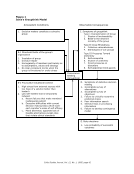
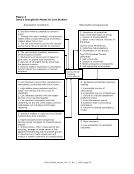
deal with the idiosyncrasies of specific cults through an application of Figure 2 and not a
holistic importation of Janis‟s model as depicted in Figure 1. The study of cults is important
in that they are a microcosm of influence processes. In Janis‟s reliance on cohesiveness we
have, I believe, the kernel of a truth that must be attenuated and nuanced before it can be
relied on as the explanation of the decision-making processes in cults.
Conclusion
Modified, the groupthink model pioneered by Janis is an excellent starting point to
understand the decision-making process within cults. The expanded model focuses attention
on the manner in which ordeals, individuation, and enthusiastic conformity create the
conditions for a decision elite within a charismatic cult to fully enter the conditions of
concurrence seeking outlined by Janis in his groupthink model. These conditions are
facilitated by the fact that cult members do not monitor the decision-making abilities of the
cult‟s elite.
In this highly insulated environment, fueled by a belief in its own superior value system, the
cult‟s decision elite is driven, particularly when it feels threatened by noncult members, to
impulsive decisions. The impulsive decisions are grounded in wild premises and
conspiratorial conjectures. The cult does not look closely or analytically at the consequences
of its decisions, believing that it is immune to negative consequences. This perceived
and the progress along it reduce the gnawing complexity of issues for those who come
through early forms of compliance to enthusiastic conformity. The path provides acolytes
with a sense of direction, righteousness, and superiority, all to varying degrees either
absent or questioned in the members‟ precult lives.
This internalization of full and enthusiastic conformity with the single path of cult life gives
rise to the fourth modification of Janis‟s groupthink model. The decision-making elite within
the cult, composed of the leader and his or her entourage of true believers, is not held to
account to or be monitored by cult members. The highly insulated and homogeneous
decision-making group is adored or held in awe by followers. The leaders‟ views of the world
are to be learned and repeated, not parsed, examined critically, or held up to tests of
rationality. Janis‟s groups of advisors have as their central occupational preoccupation the
task of critically examining information. The task of the cult elite is to win enthusiastic
conformity from members of the cult. To accomplish this, the cult elite has vested interests
in exacerbating the distinctiveness and therein superiority of cultic behaviors and in
disparaging the apparent blind conformity of noncult members. The cult elite must establish
the conspiratorial efforts of noncult members to interfere with the solidity, beauty, and truth
of the single path offered by the cult. The world‟s (noncult members‟) indifference to the
cult would, from the point of view of the cult elite, provide little opportunity for increasing
the membership base of the cult. To grow and capture the eye of potential members, the
cult must confront conventional wisdom.
The result of this withdrawal into a confrontative stance with the cult members applauding
and aching to hear each and every word of the leader and his or her emissaries is that
decision making gets detached from reality. There are no checks and balances here.
Adoration abounds within confrontation pervades the cult from without. The confrontation
is taken as proof by members that the cult requires a break from the standard canons of
rationality. Faith, it can be argued, roots itself most firmly when adversity is present, but
can, with commitment “fully” to the cult, be kept at a distance. The internal adoration
affirms and reinforces the growth of decision making and behaviors which, over time, depart
more and more from the rational canon.
The result is decision making impulsivity through concurrence in cults. The dynamics of the
groupthink model are altered to suit the psychosocial dynamics of cultic life. The risky
decisions that emerge from cults can be, I contend, comprehended with amendments to
deal with the idiosyncrasies of specific cults through an application of Figure 2 and not a
holistic importation of Janis‟s model as depicted in Figure 1. The study of cults is important
in that they are a microcosm of influence processes. In Janis‟s reliance on cohesiveness we
have, I believe, the kernel of a truth that must be attenuated and nuanced before it can be
relied on as the explanation of the decision-making processes in cults.
Conclusion
Modified, the groupthink model pioneered by Janis is an excellent starting point to
understand the decision-making process within cults. The expanded model focuses attention
on the manner in which ordeals, individuation, and enthusiastic conformity create the
conditions for a decision elite within a charismatic cult to fully enter the conditions of
concurrence seeking outlined by Janis in his groupthink model. These conditions are
facilitated by the fact that cult members do not monitor the decision-making abilities of the
cult‟s elite.
In this highly insulated environment, fueled by a belief in its own superior value system, the
cult‟s decision elite is driven, particularly when it feels threatened by noncult members, to
impulsive decisions. The impulsive decisions are grounded in wild premises and
conspiratorial conjectures. The cult does not look closely or analytically at the consequences
of its decisions, believing that it is immune to negative consequences. This perceived