Cultic Studies Journal, Vol. 12, No. 1, 1995, page 11
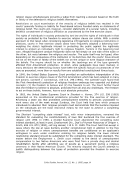
a duty to disclose, which was gross, oppressive, or malicious and committed with the
intention on the part of the defendant thereby depriving a person or entity of property or
legal rights or otherwise causing injury. Ala. Code §6-11-2.
Fraud may be committed by words, by actions, or by clear inferences taken from inaction.
There can be no fraud without a misrepresentation. But a single misrepresentation may
suffice.
Jason calls. You ask about school and “work.” School’s “o.k.” and he’s “still just
learning the job, but it’s a great opportunity.” They promise all volunteers “good -
paying jobs” after training. Beyond this, information is scarce.
Expressions or statements limited to hopes or desires on what may happen in the future
cannot provide a basis for actionable fraud. Similarly, opinions cannot, in general, be
fraudulent. However, this does not extend to protect those offering dishonest opinions which
express misrepresentations or conceal material facts.
In addition, where a future promise is used as a device to commit fraud and a fiduciary or
trust relationship exists, use of the promise as part of a general scheme to induce the
person to act as he otherwise would and causing injury is actionable fraud.
A promise offered in good faith, however, is not considered actionable fraud. And the truth
of the statement is determined at the time it was made. Also, society expressly accepts
seller and dealer “puffing,” or trade talk, as not constituting actionable fraud.
Fraud may consist of concealment. Mere silence without a duty to speak or inform is not
sufficient. But any relationship deemed confidential imposes a duty to reveal all material
facts to the transaction. Confidential relationships include priest-parishioner, attorney-client,
and parent-child, among others.
If fraud is proven, a court will assume an improper motive. The actual motive becomes
immaterial. Misrepresentations for benevolent motives rather than self-interest do not
negate the fraud.
Jason’s school notifies you that he’s been dropped from the active student roll due
to his failure to complete course work, specifically attendance. Jason says he
“couldn’t do both, and this is more important.” He promises he’ll return after a
year or two of earning “good money.” You have doubts, but he’s nine-teen. So
what can you do?
In nonconfidential situations, jurisdictions differ on whether the ability of the person injured
by the fraud to know or to attain the truth refutes reliance, an essential element of any
fraud. Most courts require that the injured individual acted with at least ordinary care.
Courts do, however, consider whether circumstances or statements may have induced the
injured person to desist from further inquiry.
The reliance factor, whether the hearer would have acted in the absence of the fraudulent
misrepresentation, is essential. Misrepresentations without reliance are not fraud. If a
confidential relationship exists, however, nothing other than proof of actual independent
knowledge of the hearer will prevent recovery.
To warrant recovery in fraud, there must be a right to rely. Where the relationship between
the parties is confidential, a party may rely on another‟s representations without respect to
their nature as opinion and without inquiries as to their truth. Confidential relations exist
where trust and confidence lies in another under circumstances that impose on that person
the obligation to act in good faith.
Even in confidential relationships with misrepresentations, actionable fraud does not exist
absent damages. Damages is an essential element in all fraud claims. Damage, in general,
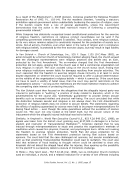
a duty to disclose, which was gross, oppressive, or malicious and committed with the
intention on the part of the defendant thereby depriving a person or entity of property or
legal rights or otherwise causing injury. Ala. Code §6-11-2.
Fraud may be committed by words, by actions, or by clear inferences taken from inaction.
There can be no fraud without a misrepresentation. But a single misrepresentation may
suffice.
Jason calls. You ask about school and “work.” School’s “o.k.” and he’s “still just
learning the job, but it’s a great opportunity.” They promise all volunteers “good -
paying jobs” after training. Beyond this, information is scarce.
Expressions or statements limited to hopes or desires on what may happen in the future
cannot provide a basis for actionable fraud. Similarly, opinions cannot, in general, be
fraudulent. However, this does not extend to protect those offering dishonest opinions which
express misrepresentations or conceal material facts.
In addition, where a future promise is used as a device to commit fraud and a fiduciary or
trust relationship exists, use of the promise as part of a general scheme to induce the
person to act as he otherwise would and causing injury is actionable fraud.
A promise offered in good faith, however, is not considered actionable fraud. And the truth
of the statement is determined at the time it was made. Also, society expressly accepts
seller and dealer “puffing,” or trade talk, as not constituting actionable fraud.
Fraud may consist of concealment. Mere silence without a duty to speak or inform is not
sufficient. But any relationship deemed confidential imposes a duty to reveal all material
facts to the transaction. Confidential relationships include priest-parishioner, attorney-client,
and parent-child, among others.
If fraud is proven, a court will assume an improper motive. The actual motive becomes
immaterial. Misrepresentations for benevolent motives rather than self-interest do not
negate the fraud.
Jason’s school notifies you that he’s been dropped from the active student roll due
to his failure to complete course work, specifically attendance. Jason says he
“couldn’t do both, and this is more important.” He promises he’ll return after a
year or two of earning “good money.” You have doubts, but he’s nine-teen. So
what can you do?
In nonconfidential situations, jurisdictions differ on whether the ability of the person injured
by the fraud to know or to attain the truth refutes reliance, an essential element of any
fraud. Most courts require that the injured individual acted with at least ordinary care.
Courts do, however, consider whether circumstances or statements may have induced the
injured person to desist from further inquiry.
The reliance factor, whether the hearer would have acted in the absence of the fraudulent
misrepresentation, is essential. Misrepresentations without reliance are not fraud. If a
confidential relationship exists, however, nothing other than proof of actual independent
knowledge of the hearer will prevent recovery.
To warrant recovery in fraud, there must be a right to rely. Where the relationship between
the parties is confidential, a party may rely on another‟s representations without respect to
their nature as opinion and without inquiries as to their truth. Confidential relations exist
where trust and confidence lies in another under circumstances that impose on that person
the obligation to act in good faith.
Even in confidential relationships with misrepresentations, actionable fraud does not exist
absent damages. Damages is an essential element in all fraud claims. Damage, in general,