Cultic Studies Journal, Vol. 12, No. 1, 1995, page 13
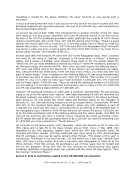
relationship and a deliberate intent to injure, courts have also allowed exemplary, punitive,
or vindictive damages.
Did other volunteers lure Jason into the venture by “fraudulent representations”?
Will “training” really lead to a “good” job? Were the statements falsehoods or
allowable business “puffing”? If false, were they known as such by the “speaker”
at the time? Did Jason act relying on the statements or was he looking for any
excuse to quit school? Did he have a right to rely on the promises? Was he
injured? Did Jason commit fraud convincing others to invest? The case decisions in
the next chapter might help you to answer these questions, or, at least, assist you
to formulate the process courts could use to address these issues.
Fraud and Misrepresentation:
Case Law Developments in the Cult Context
Media coverage generated by actions of persons involved with cults or unorthodox religious
sects often comment on the limited extent to which local, state, and federal governments
can regulate such organizations in light of the protections afforded by the First Amendment
to the United States Constitution. While the circumstances of the individual case will
determine whether the First Amendment‟s free exercise of religion clause will bar liability for
tort conduct, the courts have found no absolute protection with respect to damages
resulting from cults‟ recruitment, indoctrination, or related activities. The courts specifically
have found tort liability based on fraud or misrepresentation against religious organizations
and cults.
When tort actions such as fraud are brought against religious institutions or officials of the
institutions, the defense provided by the First Amendment guarantee of the free exercise of
religion is often used. While the courts have generally upheld the extremely high value
religious freedom is provided under the Constitution, the courts have nevertheless held that
an organization‟s or individual‟s religious status does not provide an absolute shield of
immunity from all tort liability.
In finding liability, courts frequently emphasize the distinction between religious belief,
which receives absolute protection, and religious conduct, which receives protection
balanced by those protections afforded society as a whole.
Often another initial consideration for courts has been whether the alleged fraud activity is
in fact religious in character at all, or whether the religious nature of the institution or the
individual is incidental to the fraud. Where the activity is religious, the degree of protection
afforded by the First Amendment becomes the issue. Where it is not, the free exercise of
religion defense is unavailable.
Another issue for the courts in determining the applicability of the free exercise of religion
defense is whether the group claiming the protection is a religious group. At times, courts
have required organizations to demonstrate their religious status before reaching the free
exercise issue. The likelihood that the court will seriously inquire on an organization‟s
religious status often hinges on whether the “religion” is new or particularly unorthodox in
its practices and beliefs.
Similarly, the allegedly injured individual‟s status in relation to the organization is also a
factor. This is especially true in cases involving internal church affairs --where group
membership may be equated with consent to certain punishment or actions.
Tort actions in fraud against a cult or religious organization raise some of the most
intriguing issues in the religious freedom context. While the truth or falsity of the
defendant‟s statements are usually core to any fraud action, the freedom to exercise
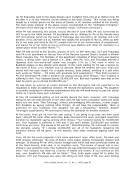
relationship and a deliberate intent to injure, courts have also allowed exemplary, punitive,
or vindictive damages.
Did other volunteers lure Jason into the venture by “fraudulent representations”?
Will “training” really lead to a “good” job? Were the statements falsehoods or
allowable business “puffing”? If false, were they known as such by the “speaker”
at the time? Did Jason act relying on the statements or was he looking for any
excuse to quit school? Did he have a right to rely on the promises? Was he
injured? Did Jason commit fraud convincing others to invest? The case decisions in
the next chapter might help you to answer these questions, or, at least, assist you
to formulate the process courts could use to address these issues.
Fraud and Misrepresentation:
Case Law Developments in the Cult Context
Media coverage generated by actions of persons involved with cults or unorthodox religious
sects often comment on the limited extent to which local, state, and federal governments
can regulate such organizations in light of the protections afforded by the First Amendment
to the United States Constitution. While the circumstances of the individual case will
determine whether the First Amendment‟s free exercise of religion clause will bar liability for
tort conduct, the courts have found no absolute protection with respect to damages
resulting from cults‟ recruitment, indoctrination, or related activities. The courts specifically
have found tort liability based on fraud or misrepresentation against religious organizations
and cults.
When tort actions such as fraud are brought against religious institutions or officials of the
institutions, the defense provided by the First Amendment guarantee of the free exercise of
religion is often used. While the courts have generally upheld the extremely high value
religious freedom is provided under the Constitution, the courts have nevertheless held that
an organization‟s or individual‟s religious status does not provide an absolute shield of
immunity from all tort liability.
In finding liability, courts frequently emphasize the distinction between religious belief,
which receives absolute protection, and religious conduct, which receives protection
balanced by those protections afforded society as a whole.
Often another initial consideration for courts has been whether the alleged fraud activity is
in fact religious in character at all, or whether the religious nature of the institution or the
individual is incidental to the fraud. Where the activity is religious, the degree of protection
afforded by the First Amendment becomes the issue. Where it is not, the free exercise of
religion defense is unavailable.
Another issue for the courts in determining the applicability of the free exercise of religion
defense is whether the group claiming the protection is a religious group. At times, courts
have required organizations to demonstrate their religious status before reaching the free
exercise issue. The likelihood that the court will seriously inquire on an organization‟s
religious status often hinges on whether the “religion” is new or particularly unorthodox in
its practices and beliefs.
Similarly, the allegedly injured individual‟s status in relation to the organization is also a
factor. This is especially true in cases involving internal church affairs --where group
membership may be equated with consent to certain punishment or actions.
Tort actions in fraud against a cult or religious organization raise some of the most
intriguing issues in the religious freedom context. While the truth or falsity of the
defendant‟s statements are usually core to any fraud action, the freedom to exercise