Cultic Studies Journal, Vol. 12, No. 1, 1995, page 19
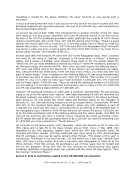
now used to hold persons in slavelike conditions are not limited to physical or
legal means.
The Kozminski court‟s disagreement on the degree or type of coercive evidence required in
criminal matters foreshadowed the ongoing debate in the courts on the standard of
admissibility for psychological or psychiatric evidence, particularly in civil actions including
those alleging fraud and undue influence. The strict standards formerly established for
criminal cases have been modified by federal rules and have resulted in many jurisdictions
expanding the boundaries of what will be admitted.
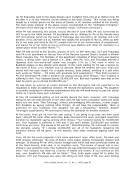
Finally, in one of the most celebrated criminal fraud cases of the decade, the court in United
States v. LaRouche, 896 F.2d 815 (4th Cir. 1990) affirmed a criminal conviction on mail and
tax fraud charges against Lyndon LaRouche, along with the convictions of six others on mail
fraud counts only. According to the court decision, LaRouche and others knowingly
orchestrated fund-raising activities in which fund raisers obtained loans from contributors by
making false statements about when and whether the loans would be repaid. A former
LaRouche fund raiser testified that when he began making telephone calls for contributions
he was instructed:
You have to have only one thing on your mind. That is getting the money. No
matter what the person you are talking to says, get the money. If you are talking
to a little old lady and she says she is going to lose her house, ignore it. Get the
money. If you are talking to an unemployed worker who says he has got to feed
...a dozen children, forget it. Get the money. Most of these people are immoral
anyway. This is the most moral thing they have ever done is to give you money.
In addition, evidence was introduced that LaRouche created a policy of nonrepayment of
loans. Lenders would initially be approached to convert their loans into contributions.
Lenders who refused to do so would, for the most part, simply not be repaid.
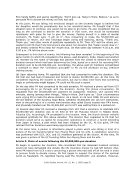
The LaRouche case demonstrates the difficulty in reaching an organization‟s leadership
when charges of fraud are brought. Although it was successful, years passed before a final
decision was reached. Evidence against LaRouche and others was, based on the court
records, collected over a lengthy period in great detail. The case also clearly demonstrates
the ease with which well-organized groups using fraudulent practices can elicit volunteers
who in turn elicit funds. (In 1984 and 1985 alone, the LaRouche organization National
Caucus of Labor Committees “borrowed” more than $25 million from “contributors.”)
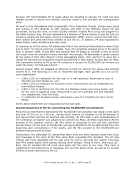
Conclusion
Today, cult “domination” of individuals remains a topic of public discussion and concern--
both for the protection of the individual and of society as a whole. Hearings held jointly by
subcommittees of the House of Representatives Committees on the Judiciary and on
Government Reform in July and August 1995 reviewed law enforcement issues concerning
David Koresh and the Branch Davidians near Waco, Texas, and refocused attention on Mr.
Koresh‟s amazing influence over his followers. The issue came up in Congress, in a floor
colloquy initiated by the Chairman of the Congressional Task Force on Terrorism and
Unconventional Warfare, Congressman Jim Saxton (R-NJ), who observed:
Many Americans are concerned and puzzled by the conduct of individuals involved
in events such as the bombing of the Murrah Federal Building in Oklahoma City,
the Sarin attack in the Tokyo subway and the extreme hold that David Koresh had
on his followers.
The current state of understanding of such groups is extremely limited.... [W]e
hope to increase our understanding of characteristics of such groups which are
associated with increased potential for terrorism, violence or other criminal
now used to hold persons in slavelike conditions are not limited to physical or
legal means.
The Kozminski court‟s disagreement on the degree or type of coercive evidence required in
criminal matters foreshadowed the ongoing debate in the courts on the standard of
admissibility for psychological or psychiatric evidence, particularly in civil actions including
those alleging fraud and undue influence. The strict standards formerly established for
criminal cases have been modified by federal rules and have resulted in many jurisdictions
expanding the boundaries of what will be admitted.
Finally, in one of the most celebrated criminal fraud cases of the decade, the court in United
States v. LaRouche, 896 F.2d 815 (4th Cir. 1990) affirmed a criminal conviction on mail and
tax fraud charges against Lyndon LaRouche, along with the convictions of six others on mail
fraud counts only. According to the court decision, LaRouche and others knowingly
orchestrated fund-raising activities in which fund raisers obtained loans from contributors by
making false statements about when and whether the loans would be repaid. A former
LaRouche fund raiser testified that when he began making telephone calls for contributions
he was instructed:
You have to have only one thing on your mind. That is getting the money. No
matter what the person you are talking to says, get the money. If you are talking
to a little old lady and she says she is going to lose her house, ignore it. Get the
money. If you are talking to an unemployed worker who says he has got to feed
...a dozen children, forget it. Get the money. Most of these people are immoral
anyway. This is the most moral thing they have ever done is to give you money.
In addition, evidence was introduced that LaRouche created a policy of nonrepayment of
loans. Lenders would initially be approached to convert their loans into contributions.
Lenders who refused to do so would, for the most part, simply not be repaid.
The LaRouche case demonstrates the difficulty in reaching an organization‟s leadership
when charges of fraud are brought. Although it was successful, years passed before a final
decision was reached. Evidence against LaRouche and others was, based on the court
records, collected over a lengthy period in great detail. The case also clearly demonstrates
the ease with which well-organized groups using fraudulent practices can elicit volunteers
who in turn elicit funds. (In 1984 and 1985 alone, the LaRouche organization National
Caucus of Labor Committees “borrowed” more than $25 million from “contributors.”)
Conclusion
Today, cult “domination” of individuals remains a topic of public discussion and concern--
both for the protection of the individual and of society as a whole. Hearings held jointly by
subcommittees of the House of Representatives Committees on the Judiciary and on
Government Reform in July and August 1995 reviewed law enforcement issues concerning
David Koresh and the Branch Davidians near Waco, Texas, and refocused attention on Mr.
Koresh‟s amazing influence over his followers. The issue came up in Congress, in a floor
colloquy initiated by the Chairman of the Congressional Task Force on Terrorism and
Unconventional Warfare, Congressman Jim Saxton (R-NJ), who observed:
Many Americans are concerned and puzzled by the conduct of individuals involved
in events such as the bombing of the Murrah Federal Building in Oklahoma City,
the Sarin attack in the Tokyo subway and the extreme hold that David Koresh had
on his followers.
The current state of understanding of such groups is extremely limited.... [W]e
hope to increase our understanding of characteristics of such groups which are
associated with increased potential for terrorism, violence or other criminal