Cultic Studies Journal, Vol. 12, No. 1, 1995, page 29
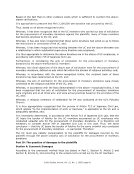
Illinois
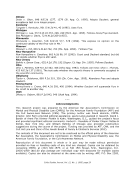
Dotto v. Okan, 646 N.E.2d 1277, 1279 (Ill. App. Ct. 1995). Adopts Daubert general
acceptance test is no longer proper.
Kentucky
Tungate v. Kentucky, 901 S.W.2d 41, 43 (1995). Uses Frye.
Michigan
Michigan v. Lee, 537 N.W.2d 233, 248, 249 (Mich. App. 1995). Follows Davis/Frye standard.
See Michigan v. Davis, 72 N.W.2d 269 (1955).
Minnesota
Minnesota v. Klawitter, 518 N.W.2d 577, 578 (1994). “We express no opinion on the
continued validity of the Frye rule in Mn.”
Missouri
Missouri v. Hill, 865 S.W.2d 702, 703 (Mo. App. 1993). Follows Frye.
New Hampshire
New Hampshire v. Cavaliere, 663 A.2d 96, 97 (1995). Court used Daubert standard, but did
not decide whether Frye is still valid.
New Jersey
Bahrle v. Exxon Corp., 652 A.2d 178, 192 (Super. Ct. App. Div. 1995). Follows Daubert.
Ohio
Ohio v. Martens, 629 N.E.2d 462, 466 (Ohio App. 1993). Follows own test: Ohio v. Thomas,
423 N.E.2d 137 (1981). The test asks whether the expert‟s theory is commonly accepted in
the scientific community.
Oklahoma
Taylor v. Oklahoma, 889 P.2d 319, 328 (Ok. Crim. App. 1995). Abandons Frye and adopts
Daubert.
Pennsylvania
Pennsylvania v. Crews, 640 A.2d 395, 400 (1994). Whether Daubert will supersede Frye in
Pa. is left to another day.
Utah
Dikeou v. Osborn, 881 P.2d 943, 946 (Utah App. 1994).
˜˜˜
Acknowledgments
This research project was prepared by the American Bar Association‟s Commission on
Mental and Physical Disability Law (CMPDL) for the American Family Foundation (AFF) and
the Cult Aware-ness Network (CAN). The primary author was David Hominik, CMPDL
director. John Parry provided editorial assistance Laurie Lewis assisted in research. David J.
Bardin of Arent Fox Kintner Plotkin &Kahn, Washington, D.C., guided the project‟s focus
and provided significant editorial comments. Herbert L. Rosedale of Parker Chapin Flattau &
Klimpl, New York City, and William Rehling of Chicago also provided constructive
suggestions during the course of the project. Funding was provided by AFF, CAN, and the
Cult Hot Line and Clinic of the Jewish Board of Family &Children‟s Services (NYC).
The contents of this document are not to be construed as the official policy of the American
Bar Association, the Association‟s Commission on Mental and Physical Disability Law, the
American Family Foundation, or the Cult Awareness Network.
Reproduction of this document in whole or in part may be made without permission
provided no fees or handling costs of any kind are charged. Copies can be obtained by
contacting CMPDL at (202) 662-1575 or at 740 15th Street, N.W., Washington, D.C.
20005-1009 ($10.00 plus postage per individual copy with discounts for multiple copies
available). Copies can also be obtained at the same rate by writing: AFF, P.O. Box 2265,
Illinois
Dotto v. Okan, 646 N.E.2d 1277, 1279 (Ill. App. Ct. 1995). Adopts Daubert general
acceptance test is no longer proper.
Kentucky
Tungate v. Kentucky, 901 S.W.2d 41, 43 (1995). Uses Frye.
Michigan
Michigan v. Lee, 537 N.W.2d 233, 248, 249 (Mich. App. 1995). Follows Davis/Frye standard.
See Michigan v. Davis, 72 N.W.2d 269 (1955).
Minnesota
Minnesota v. Klawitter, 518 N.W.2d 577, 578 (1994). “We express no opinion on the
continued validity of the Frye rule in Mn.”
Missouri
Missouri v. Hill, 865 S.W.2d 702, 703 (Mo. App. 1993). Follows Frye.
New Hampshire
New Hampshire v. Cavaliere, 663 A.2d 96, 97 (1995). Court used Daubert standard, but did
not decide whether Frye is still valid.
New Jersey
Bahrle v. Exxon Corp., 652 A.2d 178, 192 (Super. Ct. App. Div. 1995). Follows Daubert.
Ohio
Ohio v. Martens, 629 N.E.2d 462, 466 (Ohio App. 1993). Follows own test: Ohio v. Thomas,
423 N.E.2d 137 (1981). The test asks whether the expert‟s theory is commonly accepted in
the scientific community.
Oklahoma
Taylor v. Oklahoma, 889 P.2d 319, 328 (Ok. Crim. App. 1995). Abandons Frye and adopts
Daubert.
Pennsylvania
Pennsylvania v. Crews, 640 A.2d 395, 400 (1994). Whether Daubert will supersede Frye in
Pa. is left to another day.
Utah
Dikeou v. Osborn, 881 P.2d 943, 946 (Utah App. 1994).
˜˜˜
Acknowledgments
This research project was prepared by the American Bar Association‟s Commission on
Mental and Physical Disability Law (CMPDL) for the American Family Foundation (AFF) and
the Cult Aware-ness Network (CAN). The primary author was David Hominik, CMPDL
director. John Parry provided editorial assistance Laurie Lewis assisted in research. David J.
Bardin of Arent Fox Kintner Plotkin &Kahn, Washington, D.C., guided the project‟s focus
and provided significant editorial comments. Herbert L. Rosedale of Parker Chapin Flattau &
Klimpl, New York City, and William Rehling of Chicago also provided constructive
suggestions during the course of the project. Funding was provided by AFF, CAN, and the
Cult Hot Line and Clinic of the Jewish Board of Family &Children‟s Services (NYC).
The contents of this document are not to be construed as the official policy of the American
Bar Association, the Association‟s Commission on Mental and Physical Disability Law, the
American Family Foundation, or the Cult Awareness Network.
Reproduction of this document in whole or in part may be made without permission
provided no fees or handling costs of any kind are charged. Copies can be obtained by
contacting CMPDL at (202) 662-1575 or at 740 15th Street, N.W., Washington, D.C.
20005-1009 ($10.00 plus postage per individual copy with discounts for multiple copies
available). Copies can also be obtained at the same rate by writing: AFF, P.O. Box 2265,