Cultic Studies Journal, Vol. 12, No. 1, 1995, page 43
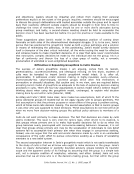
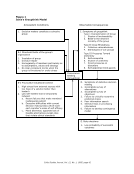
Figure 2
Janis’s Groupthink Model for Cult Studies
Antecedent Conditions Observable Consequences
C. Symptoms of groupthink
Type 1 Overestimation of Group
1. Illusion of invulnerability
2. Belief in the inherent morality of
the group
Type II Close-Mindedness
3. Collective rationalizations
4. Stereotypes of out-groups
Type III Pressures Toward
Uniformity
5. Self-censorship
6. Illusion of unanimity
7. Direct pressures on dissenters
8. Self-appointed mind guards
A. Decision makers constitute a cohesive
group
1. Through the use of ordeals, a charismatic
leader draws a loyal elite group of decision
makers about him or her
2. The cult becomes the central life interest
and primary nexus of identity of members
B. The cult decision members experience
deindividuation process
1. Mechanisms of social control based on
guilt, fear, or shame lose importance
2. New set of emergent norms preoccupy
the decision makers
3. Decsion makers experience a decreased
concern about the evaluation of noncult
members Concurrence
Seeking
(Groupthink)
D. Symptoms of defective decision
making
1. Incomplete survey of
alternatives
2. Incomplete survey of objectives
3. Failure to critically reexamine
preferred choice
4. Poor information search
5. Selective bias in processing
information
6. Failure to develop contingency
model
C. Cult members move from compliance to
enthusiastic conformity with cult‟s norms
1. High-status group members and the
leader are imbued with the virtue of
infallibility
2. Cult members identify with the leader
and his or her selected agents
3. Cult members internalize and find
conformity to the will of the leader and the
high-status cult members intrinsically
satisfying
D. Decision makers in cults are not critically
monitored by their members
1. Highly insulated and homogenous
decision group increases its inward-looking
aspects
2. Wild premises, often conspiratorial and
accusing, emerge to make sense of the
apparent threatening acts of outside groups
3. Decisions are made impulsively and
without a realistic attention to consequences
E. Risky decisions
1. Low probability of successful
outcomes
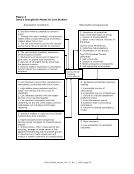
Figure 2
Janis’s Groupthink Model for Cult Studies
Antecedent Conditions Observable Consequences
C. Symptoms of groupthink
Type 1 Overestimation of Group
1. Illusion of invulnerability
2. Belief in the inherent morality of
the group
Type II Close-Mindedness
3. Collective rationalizations
4. Stereotypes of out-groups
Type III Pressures Toward
Uniformity
5. Self-censorship
6. Illusion of unanimity
7. Direct pressures on dissenters
8. Self-appointed mind guards
A. Decision makers constitute a cohesive
group
1. Through the use of ordeals, a charismatic
leader draws a loyal elite group of decision
makers about him or her
2. The cult becomes the central life interest
and primary nexus of identity of members
B. The cult decision members experience
deindividuation process
1. Mechanisms of social control based on
guilt, fear, or shame lose importance
2. New set of emergent norms preoccupy
the decision makers
3. Decsion makers experience a decreased
concern about the evaluation of noncult
members Concurrence
Seeking
(Groupthink)
D. Symptoms of defective decision
making
1. Incomplete survey of
alternatives
2. Incomplete survey of objectives
3. Failure to critically reexamine
preferred choice
4. Poor information search
5. Selective bias in processing
information
6. Failure to develop contingency
model
C. Cult members move from compliance to
enthusiastic conformity with cult‟s norms
1. High-status group members and the
leader are imbued with the virtue of
infallibility
2. Cult members identify with the leader
and his or her selected agents
3. Cult members internalize and find
conformity to the will of the leader and the
high-status cult members intrinsically
satisfying
D. Decision makers in cults are not critically
monitored by their members
1. Highly insulated and homogenous
decision group increases its inward-looking
aspects
2. Wild premises, often conspiratorial and
accusing, emerge to make sense of the
apparent threatening acts of outside groups
3. Decisions are made impulsively and
without a realistic attention to consequences
E. Risky decisions
1. Low probability of successful
outcomes