Cultic Studies Journal, Vol. 12, No. 1, 1995, page 27
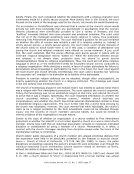
What Daubert means for state courts is not yet entirely clear. A number of jurisdictions
already were using less rigorous admissibility standards than Frye for scientific and technical
evidence even before Daubert. Some jurisdictions are presently in the process of reviewing
admissibility standards to determine whether they should be made more inclusive. And a
number of states are opting to retain Frye or a close variation. See Note: “Daubert v.
Merrell Dow Pharmaceutical, Inc.: Sounding the Death Knell for Frye v. United States in the
Commonwealth,” 21 N. Kentucky L. Rev. 475, 491-492 (1994).
As a result, many state court litigators and courts must deal with all the traditional problems
inherent with psychiatric and psychological evidence along with the uncertainties spawned
by the Daubert decision, including which admissibility standard governs and how the
standard should be applied to different types of psychiatric or psychological evidence. Post-
Daubert judges have an enlarged gatekeeper‟s function, with increased latitude to admit or
exclude evidence. The door is open. The degree to which individual judges will screen expert
testimony offered by psychologists, psychiatrists, and other professionals in cases involving
undue influence or fraud and issues of the mental state and activities of the participants
remains to be determined in many jurisdictions.
Significant Decisions by Jurisdiction on Expert Testimony Standards
(All citations are to state supreme court cases unless otherwise noted.)
Daubert States
Arkansas
Jones v. Arkansas, 862 S.W.2d 242, 245 (1993). Arkansas rejected the Frye standard
before Daubert. See Prater v. Arkansas, 820 S.W.2d 429 (1991).
Delaware
Nelson v. Delaware, 628 A.2d 69, 73 (1993).
Indiana
Harrison v. Indiana, 644 N.E.2d 1243, 1252 (1995).
Iowa
Hutchison v. American Family Mut. Ins. Co., 514 N.W.2d 882, 885, 886 (1994).
Louisiana
Louisiana v. Foret, 628 So. 2d 1116, 1122, 1123 (1993).
Massachusetts
Massachusetts v. Lanigan, 641 N.E.2d 1342, 1349 (1994). Accepts Daubert’s reasoning but
suspects general acceptance will continue to be the significant, and often the only, issue.
Montana
Montana v. Moore, 885 P.2d 457, 471 (1994).
New Mexico
New Mexico v. Alberico, 861 P.2d 192, 203 (1993).
North Carolina
North Carolina v. Goode, 461 S.E.2d 631, 639 (1995).
Oregon
Oregon v. O’Key, 899 P.2d 663, 680 (1995).
South Carolina
South Carolina v. Dinkins, 462 S.E.2d 59, 60 (1995).
South Dakota
South Dakota v. Hofer, 512 N.W.2d 482, 484 (1994).
Texas
Robinson v. E.I. DuPont de Nemours &Co., No. 94-0843 (6/15/1995).
Vermont
Vermont v. Brooks, 643 A.2d 226, 229 (1993).
Virginia
What Daubert means for state courts is not yet entirely clear. A number of jurisdictions
already were using less rigorous admissibility standards than Frye for scientific and technical
evidence even before Daubert. Some jurisdictions are presently in the process of reviewing
admissibility standards to determine whether they should be made more inclusive. And a
number of states are opting to retain Frye or a close variation. See Note: “Daubert v.
Merrell Dow Pharmaceutical, Inc.: Sounding the Death Knell for Frye v. United States in the
Commonwealth,” 21 N. Kentucky L. Rev. 475, 491-492 (1994).
As a result, many state court litigators and courts must deal with all the traditional problems
inherent with psychiatric and psychological evidence along with the uncertainties spawned
by the Daubert decision, including which admissibility standard governs and how the
standard should be applied to different types of psychiatric or psychological evidence. Post-
Daubert judges have an enlarged gatekeeper‟s function, with increased latitude to admit or
exclude evidence. The door is open. The degree to which individual judges will screen expert
testimony offered by psychologists, psychiatrists, and other professionals in cases involving
undue influence or fraud and issues of the mental state and activities of the participants
remains to be determined in many jurisdictions.
Significant Decisions by Jurisdiction on Expert Testimony Standards
(All citations are to state supreme court cases unless otherwise noted.)
Daubert States
Arkansas
Jones v. Arkansas, 862 S.W.2d 242, 245 (1993). Arkansas rejected the Frye standard
before Daubert. See Prater v. Arkansas, 820 S.W.2d 429 (1991).
Delaware
Nelson v. Delaware, 628 A.2d 69, 73 (1993).
Indiana
Harrison v. Indiana, 644 N.E.2d 1243, 1252 (1995).
Iowa
Hutchison v. American Family Mut. Ins. Co., 514 N.W.2d 882, 885, 886 (1994).
Louisiana
Louisiana v. Foret, 628 So. 2d 1116, 1122, 1123 (1993).
Massachusetts
Massachusetts v. Lanigan, 641 N.E.2d 1342, 1349 (1994). Accepts Daubert’s reasoning but
suspects general acceptance will continue to be the significant, and often the only, issue.
Montana
Montana v. Moore, 885 P.2d 457, 471 (1994).
New Mexico
New Mexico v. Alberico, 861 P.2d 192, 203 (1993).
North Carolina
North Carolina v. Goode, 461 S.E.2d 631, 639 (1995).
Oregon
Oregon v. O’Key, 899 P.2d 663, 680 (1995).
South Carolina
South Carolina v. Dinkins, 462 S.E.2d 59, 60 (1995).
South Dakota
South Dakota v. Hofer, 512 N.W.2d 482, 484 (1994).
Texas
Robinson v. E.I. DuPont de Nemours &Co., No. 94-0843 (6/15/1995).
Vermont
Vermont v. Brooks, 643 A.2d 226, 229 (1993).
Virginia