Cultic Studies Journal, Vol. 12, No. 1, 1995, page 41
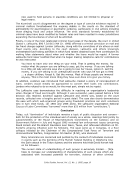
immunity is bolstered by the cult‟s belief that it has virtue and the strength of the “true”
power(s) on its side. Indeed, negative consequences may be interpreted as small setbacks,
tests, or rewards in themselves. The ability of cults to frame and interpret events, even
negative consequences emanating from cult decisions, is not to be underestimated.
The student of cultic decision making is exploring a phenomenon which may be at odds with
the ideology or religious roots of many citizens. These cults envision the cult as no mere
assemblage of decision makers, but as a holy quest. The cultic path is more than the sum of
past decisions it is an acting-out of the very forces scripted deeply into the adherents‟
behavioral repertoire. Decision makers may be seen as or understood as interpreters or
conduits of the “true way.” In these contexts, Janis‟s antidotes to groupthink hold little
chance of reducing the incidents of groupthink. While it may be possible to introduce a
devil‟s advocate or critical discussion groups in formal policy-making groups, it is not
possible in cults. Cults do not seek to make sense of and integrate critics‟ voices. Theirs is a
worldview that assumes that its very superiority is proven by the persistent existence of
vociferous critics.
immunity is bolstered by the cult‟s belief that it has virtue and the strength of the “true”
power(s) on its side. Indeed, negative consequences may be interpreted as small setbacks,
tests, or rewards in themselves. The ability of cults to frame and interpret events, even
negative consequences emanating from cult decisions, is not to be underestimated.
The student of cultic decision making is exploring a phenomenon which may be at odds with
the ideology or religious roots of many citizens. These cults envision the cult as no mere
assemblage of decision makers, but as a holy quest. The cultic path is more than the sum of
past decisions it is an acting-out of the very forces scripted deeply into the adherents‟
behavioral repertoire. Decision makers may be seen as or understood as interpreters or
conduits of the “true way.” In these contexts, Janis‟s antidotes to groupthink hold little
chance of reducing the incidents of groupthink. While it may be possible to introduce a
devil‟s advocate or critical discussion groups in formal policy-making groups, it is not
possible in cults. Cults do not seek to make sense of and integrate critics‟ voices. Theirs is a
worldview that assumes that its very superiority is proven by the persistent existence of
vociferous critics.