Cultic Studies Review, Vol. 7, No. 3, 2008, Page 6
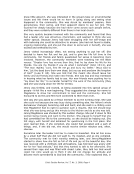
Self, Personality, and Pseudo-Personality
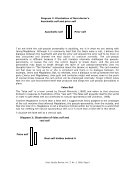
I conceptualise the self as changing moment by moment in response to contact with self,
others, and the environment. In thinking about what happened to Jenny/Magdalene, I have
found Gestalt psychotherapy theory helpful in its conceptualisation of the self as the being
and doing aspects of an individual. Perls, Hefferline, and Goodman (1951) state:
Let us call ―self‖ the system of contacts at any moment. As such, the self is
flexibly various, for it varies with the dominant organic needs and the
pressing environmental stimuli it is the system of responses it diminishes in
sleep when there is less need to respond. The self is the contact-boundary at
work… (p. 235)
The self is, therefore, an ever-changing process (Taylor, 2004) in contact with our selves,
others, and the environment. This moment-by-moment response to the environment means
we are all vulnerable to the impact of environmental stimuli and influence (Cialdini, 2001
Zimbardo, 2007), particularly when the environment is radicalised (as Jenny was
responding, the pseudo-personality, Magdalene, was developing). Change and development
occur within the organism or individual throughout the life cycle in many circumstances
(Wilkinson, 2006 Gerhardt, 2004).
Personality can be conceptualised as the more enduring aspects of the organism or
individual. Philippson (2001), a Gestalt writer, states that the personality function of self is
―the knowable, relatively predictable, verbalizable aspect of the self that can be called up in
answer to the questions ‗who are you?‘ or ‗what are you like?‘ or ‗how do you do things?‘…‖
(p. 38).
Whilst Jenny‘s self was responding moment by moment, becoming a fully fledged member
of the community, her personality (her preferences, her answer to the question ―What are
you like?‖) was also changing and Magdalene, the cult pseudo-personality, formed. New
preferences, a new sense of self and how she did things, was created by involvement in and
interaction with the community.
There is much evidence that many individuals who have been in a cult exhibit a change in
their personality (Langone, 1993 Singer 2003 Hassan, 2000 Lalich &Tobias, 2006). The
change in Jenny/Magdalene illustrates Singer‘s view:
As part of the intense influence and change process in many cults, people
take on a new social identity, which may or may not be obvious to an
outsider. When groups refer to this new identity, they speak of members who
are transformed, reborn, enlightened, empowered, re-birthed, or cleared [my
addition: saved, surrendered]. The group-approved behavior is reinforced and
reinterpreted as demonstrating the emergence of ―the new person.‖ Members
are expected to display this new social identity. (2003, p.77–78)
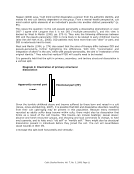
I suggest that this new social identity is the cult pseudo-personality or pseudo-identity.
West &Martin (1993) note: ―Cases of pseudo-identity observed among cult victims are
often very clear-cut, classic examples of transformation through deliberately contrived
situational forces of a normal individual‘s personality into that of a ‗different person‘‖
(p.274).
This change in Jenny/Magdalene was a gradual process over time, and eventually she barely
knew herself. Hassan (2000) states: ―Creation and imposition of a new ‗identity‘ is done
step by step‖ (p.58).
You might ask how this change takes place. Martin (1993) suggests that the common goal
enables the cult to overrule difference: ―Cults typically attack an individual‘s personality.
Self, Personality, and Pseudo-Personality
I conceptualise the self as changing moment by moment in response to contact with self,
others, and the environment. In thinking about what happened to Jenny/Magdalene, I have
found Gestalt psychotherapy theory helpful in its conceptualisation of the self as the being
and doing aspects of an individual. Perls, Hefferline, and Goodman (1951) state:
Let us call ―self‖ the system of contacts at any moment. As such, the self is
flexibly various, for it varies with the dominant organic needs and the
pressing environmental stimuli it is the system of responses it diminishes in
sleep when there is less need to respond. The self is the contact-boundary at
work… (p. 235)
The self is, therefore, an ever-changing process (Taylor, 2004) in contact with our selves,
others, and the environment. This moment-by-moment response to the environment means
we are all vulnerable to the impact of environmental stimuli and influence (Cialdini, 2001
Zimbardo, 2007), particularly when the environment is radicalised (as Jenny was
responding, the pseudo-personality, Magdalene, was developing). Change and development
occur within the organism or individual throughout the life cycle in many circumstances
(Wilkinson, 2006 Gerhardt, 2004).
Personality can be conceptualised as the more enduring aspects of the organism or
individual. Philippson (2001), a Gestalt writer, states that the personality function of self is
―the knowable, relatively predictable, verbalizable aspect of the self that can be called up in
answer to the questions ‗who are you?‘ or ‗what are you like?‘ or ‗how do you do things?‘…‖
(p. 38).
Whilst Jenny‘s self was responding moment by moment, becoming a fully fledged member
of the community, her personality (her preferences, her answer to the question ―What are
you like?‖) was also changing and Magdalene, the cult pseudo-personality, formed. New
preferences, a new sense of self and how she did things, was created by involvement in and
interaction with the community.
There is much evidence that many individuals who have been in a cult exhibit a change in
their personality (Langone, 1993 Singer 2003 Hassan, 2000 Lalich &Tobias, 2006). The
change in Jenny/Magdalene illustrates Singer‘s view:
As part of the intense influence and change process in many cults, people
take on a new social identity, which may or may not be obvious to an
outsider. When groups refer to this new identity, they speak of members who
are transformed, reborn, enlightened, empowered, re-birthed, or cleared [my
addition: saved, surrendered]. The group-approved behavior is reinforced and
reinterpreted as demonstrating the emergence of ―the new person.‖ Members
are expected to display this new social identity. (2003, p.77–78)
I suggest that this new social identity is the cult pseudo-personality or pseudo-identity.
West &Martin (1993) note: ―Cases of pseudo-identity observed among cult victims are
often very clear-cut, classic examples of transformation through deliberately contrived
situational forces of a normal individual‘s personality into that of a ‗different person‘‖
(p.274).
This change in Jenny/Magdalene was a gradual process over time, and eventually she barely
knew herself. Hassan (2000) states: ―Creation and imposition of a new ‗identity‘ is done
step by step‖ (p.58).
You might ask how this change takes place. Martin (1993) suggests that the common goal
enables the cult to overrule difference: ―Cults typically attack an individual‘s personality.