Cultic Studies Review, Vol. 7, No. 3, 2008, Page 11
Hassan (2000) says, ―Cult mind control dissociates a person from his authentic identity, and
makes his new cult identity dependent on the group. From a mental-health perspective, cult
mind control splits elements of an individual‘s psyche into another distinct personality‖ (p.
55).
This raises the question: Is the cult-pseudo personality a dissociative phenomenon or even
DID? I agree with Langone that it is not DID (―multiple personality‖), and this view is
backed by West &Martin (1993, pp. 273-4). They note the following differences between
DID and the pseudo-personality: DID is more likely to be related to early childhood trauma
(also Van der Hart et al., 2006) DID patients may have more than one ―alter‖ or part and
DID is notoriously hard to treat.
West and Martin (1994, p. 274) also assert that the aims of therapy differ between DID and
pseudo-personality, further highlighting the differences. With DID, ―reconciliation and
integration of alters‖ is the aim, while with pseudo-personality, the aim is ―restoration of the
original identity.‖ They note that residual PTSD will usually need to be treated.
It is generally held that the split in primary, secondary, and tertiary structural dissociation is
a vertical split:
Given the terrible childhood abuse and trauma suffered by those born and raised in a cult
(Jones, Jones and Buhring, 2007), it is possible that DID and dissociative disorders resulting
from their cult upbringing may be present in this population. Because many members
recruited as adults suffer deep trauma within cults, there might also be dissociation that
forms as a result of the cult trauma. This trauma can include beatings sexual abuse
abusive and harsh encounter groups, and shouting and loud commands to change, to hate
one‘s parents, and to hate one‘s ―old self‖ or ―worldly self.‖ There might also be structural
dissociation present in individuals before they joined the cult. The cult will nevertheless
cause wounds in their life.
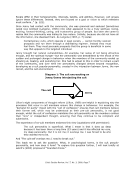
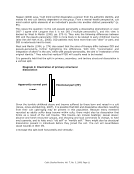
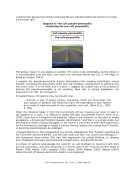
I envisage this split both horizontally and vertically:
Apparently normal part
(ANP)
Emotional part (EP)
Diagram 4: Illustration of primary structural
dissociation
Hassan (2000) says, ―Cult mind control dissociates a person from his authentic identity, and
makes his new cult identity dependent on the group. From a mental-health perspective, cult
mind control splits elements of an individual‘s psyche into another distinct personality‖ (p.
55).
This raises the question: Is the cult-pseudo personality a dissociative phenomenon or even
DID? I agree with Langone that it is not DID (―multiple personality‖), and this view is
backed by West &Martin (1993, pp. 273-4). They note the following differences between
DID and the pseudo-personality: DID is more likely to be related to early childhood trauma
(also Van der Hart et al., 2006) DID patients may have more than one ―alter‖ or part and
DID is notoriously hard to treat.
West and Martin (1994, p. 274) also assert that the aims of therapy differ between DID and
pseudo-personality, further highlighting the differences. With DID, ―reconciliation and
integration of alters‖ is the aim, while with pseudo-personality, the aim is ―restoration of the
original identity.‖ They note that residual PTSD will usually need to be treated.
It is generally held that the split in primary, secondary, and tertiary structural dissociation is
a vertical split:
Given the terrible childhood abuse and trauma suffered by those born and raised in a cult
(Jones, Jones and Buhring, 2007), it is possible that DID and dissociative disorders resulting
from their cult upbringing may be present in this population. Because many members
recruited as adults suffer deep trauma within cults, there might also be dissociation that
forms as a result of the cult trauma. This trauma can include beatings sexual abuse
abusive and harsh encounter groups, and shouting and loud commands to change, to hate
one‘s parents, and to hate one‘s ―old self‖ or ―worldly self.‖ There might also be structural
dissociation present in individuals before they joined the cult. The cult will nevertheless
cause wounds in their life.
I envisage this split both horizontally and vertically:
Apparently normal part
(ANP)
Emotional part (EP)
Diagram 4: Illustration of primary structural
dissociation