Cultic Studies Review, Vol. 7, No. 3, 2008, Page 17
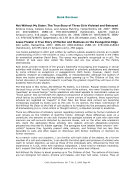
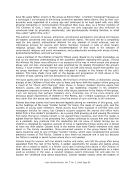
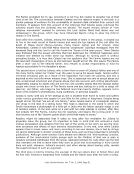
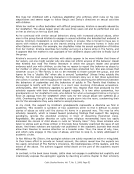
Jones, K. Jones, C. &Buhring, J. (2007). Not Without my Sister. Harper Collins: London.
Lalich, J. (2004) .Bounded Choice. University of California Press.
Lalich, J. &Tobias, M. (2006). Take Back Your Life—Recovering from Cults and Abusive Relationships.
Bay Tree: Berkeley, CA.
Lifton, R. J. (1989). Thought Reform and the Psychology of Totalism: A Study of Brainwashing in
China. New York: W. W. Norton and Company.
Lifton, R. J. (2nd Edition, 2000). The Nazi Doctors, Basic Books.
Langone, M. (Editor). (1993) .Recovery from Cults. W. W. Norton &Company: London.
Mackewn, J. (2000). Developing Gestalt Counselling. Sage Developing Counselling Series: London.
Maron, N. &Braverman J. (1988) .Family Environment As a Factor in Vulnerability to Cult
Involvement. Cultic Studies Journal: Vol.5:No.1.
Martin, P. (1993). Cult Proofing Your Kids. Zondervan: Grand Rapids, Michigan.
Martin, P. (2008). Personal communication.
Ofshe, R., &Singer, M. (1986). Attacks on peripheral versus central elements of self and the impact of
thought reforming techniques. Cultic Studies Journal, 3(1), 3-24.
Ogden, P. Minton, K. and Pain, C. (2006). Trauma and the Body: A Sensorimotor Approach to
Psychotherapy. W. W. Norton &Company: London.
Perls, Frederick S. Hefferline, Ralph,, &Goodman, Paul. (1951). Gestalt Therapy-Excitement and
Growth in the Human Personality, p. 189. Souvenir Press: London.
Philippson, P. (2001) .Self in Relation. The Gestalt Journal Press: Highland, NY.
Putnam, F. W. (1989). Diagnosis and Treatment of Multiple Personality Disorder. The Guilford Press:
London.
Reber, A. S. &Reber, E. (2001). The Penguin Dictionary of Psychology (Third Edition). Penguin Books:
London.
Singer, M. T. (2003). Cults in our Midst. Jossey-Bass: San Francisco, CA.
Sirkin, Mark I. (1990). Cult Involvement: A Systems Approach to Assessment and Treatment.
Psychotherapy, Vol.27, Spring.
Taylor, K. (2004). Brainwashing: The Science of Thought Control. Oxford University press: Oxford.
Van der Hart, O. Nijenhuis, E. R. S. &Steele, K. (2006). The Haunted Self: Structural Dissociation
and the Treatment of chronic Traumatisation. W. W. Norton &Company. London.
West, L.J. &Martin, P.R. (1994). Pseudo-Identity and the Treatment of Personality Change in Victims
of Captivity and Cults, in Dissociation: Clinical and Theoretical Perspectives, chapter 13, S. J.
Lynn &J. W. Rhue. (Editors). Guilford Publications Inc. New York.
Wilkinson, M. A. (2006). Coming into Mind. Routledge: London &New York.
Winnicott, D. (1965). Maturational Processes and the Facilitating Environment. International
Universities Press: New York.
Zimbardo, P. (2007). The Lucifer Effect: How Good People Turn Evil. Rider: London &New York.
Gillie Jenkinson is a Director of Hope Valley Counselling Limited and specializes in offering
counselling and psychotherapy to those who have left cults or coercive relationships/groups
and those who have been abused. Ms. Jenkinson is a trained Counsellor with an Advanced
Diploma in Pastoral Counselling and an MA in Gestalt Psychotherapy. She is accredited and
registered with United Kingdom Council for Psychotherapy (UKCP) and a member of British
Association for Counselling and Psychotherapy (MBACP). In 1999 she did a month long
internship at Wellspring, Ohio and returned there in 2008. Ms. Jenkinson was a member of
The Love of God Community, a Bible-based cult, in the 1970s. She has 16 years experience
working with survivors of rape, sexual abuse, and cults, as well as with clients with other
issues. She is currently training as a Supervisor and supervises a number of individuals who
work in these areas. She is listed as a supervisor with Safe Passage Foundation. Ms.
Jenkinson facilitates an ex-member support and education group in London. She has
presented her research, ―What helps Ex-cult members recover from an abusive cult
experience," at ICSA Conferences in Madrid (2005) and Denver (2006) and papers on cult
pseudo-personality and neuroscience in Brussels (2007) and Philadelphia (2008). Ms.
Jenkinson has co-authored a chapter entitled ‗Pathological Spirituality‘ with Dr. Nicola
Crowley for a medical text book entitled, Spirituality and Psychiatry, to be published by
Jones, K. Jones, C. &Buhring, J. (2007). Not Without my Sister. Harper Collins: London.
Lalich, J. (2004) .Bounded Choice. University of California Press.
Lalich, J. &Tobias, M. (2006). Take Back Your Life—Recovering from Cults and Abusive Relationships.
Bay Tree: Berkeley, CA.
Lifton, R. J. (1989). Thought Reform and the Psychology of Totalism: A Study of Brainwashing in
China. New York: W. W. Norton and Company.
Lifton, R. J. (2nd Edition, 2000). The Nazi Doctors, Basic Books.
Langone, M. (Editor). (1993) .Recovery from Cults. W. W. Norton &Company: London.
Mackewn, J. (2000). Developing Gestalt Counselling. Sage Developing Counselling Series: London.
Maron, N. &Braverman J. (1988) .Family Environment As a Factor in Vulnerability to Cult
Involvement. Cultic Studies Journal: Vol.5:No.1.
Martin, P. (1993). Cult Proofing Your Kids. Zondervan: Grand Rapids, Michigan.
Martin, P. (2008). Personal communication.
Ofshe, R., &Singer, M. (1986). Attacks on peripheral versus central elements of self and the impact of
thought reforming techniques. Cultic Studies Journal, 3(1), 3-24.
Ogden, P. Minton, K. and Pain, C. (2006). Trauma and the Body: A Sensorimotor Approach to
Psychotherapy. W. W. Norton &Company: London.
Perls, Frederick S. Hefferline, Ralph,, &Goodman, Paul. (1951). Gestalt Therapy-Excitement and
Growth in the Human Personality, p. 189. Souvenir Press: London.
Philippson, P. (2001) .Self in Relation. The Gestalt Journal Press: Highland, NY.
Putnam, F. W. (1989). Diagnosis and Treatment of Multiple Personality Disorder. The Guilford Press:
London.
Reber, A. S. &Reber, E. (2001). The Penguin Dictionary of Psychology (Third Edition). Penguin Books:
London.
Singer, M. T. (2003). Cults in our Midst. Jossey-Bass: San Francisco, CA.
Sirkin, Mark I. (1990). Cult Involvement: A Systems Approach to Assessment and Treatment.
Psychotherapy, Vol.27, Spring.
Taylor, K. (2004). Brainwashing: The Science of Thought Control. Oxford University press: Oxford.
Van der Hart, O. Nijenhuis, E. R. S. &Steele, K. (2006). The Haunted Self: Structural Dissociation
and the Treatment of chronic Traumatisation. W. W. Norton &Company. London.
West, L.J. &Martin, P.R. (1994). Pseudo-Identity and the Treatment of Personality Change in Victims
of Captivity and Cults, in Dissociation: Clinical and Theoretical Perspectives, chapter 13, S. J.
Lynn &J. W. Rhue. (Editors). Guilford Publications Inc. New York.
Wilkinson, M. A. (2006). Coming into Mind. Routledge: London &New York.
Winnicott, D. (1965). Maturational Processes and the Facilitating Environment. International
Universities Press: New York.
Zimbardo, P. (2007). The Lucifer Effect: How Good People Turn Evil. Rider: London &New York.
Gillie Jenkinson is a Director of Hope Valley Counselling Limited and specializes in offering
counselling and psychotherapy to those who have left cults or coercive relationships/groups
and those who have been abused. Ms. Jenkinson is a trained Counsellor with an Advanced
Diploma in Pastoral Counselling and an MA in Gestalt Psychotherapy. She is accredited and
registered with United Kingdom Council for Psychotherapy (UKCP) and a member of British
Association for Counselling and Psychotherapy (MBACP). In 1999 she did a month long
internship at Wellspring, Ohio and returned there in 2008. Ms. Jenkinson was a member of
The Love of God Community, a Bible-based cult, in the 1970s. She has 16 years experience
working with survivors of rape, sexual abuse, and cults, as well as with clients with other
issues. She is currently training as a Supervisor and supervises a number of individuals who
work in these areas. She is listed as a supervisor with Safe Passage Foundation. Ms.
Jenkinson facilitates an ex-member support and education group in London. She has
presented her research, ―What helps Ex-cult members recover from an abusive cult
experience," at ICSA Conferences in Madrid (2005) and Denver (2006) and papers on cult
pseudo-personality and neuroscience in Brussels (2007) and Philadelphia (2008). Ms.
Jenkinson has co-authored a chapter entitled ‗Pathological Spirituality‘ with Dr. Nicola
Crowley for a medical text book entitled, Spirituality and Psychiatry, to be published by