Cultic Studies Review, Vol. 7, No. 3, 2008, Page 5
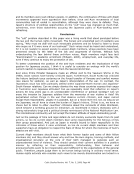
order for her to ―stay right with God,‖ they would need to punish her by
beating her 40 times with a cane. Jenny/Magdalene was deeply shocked by
this and was left shaking and frightened. Following the rebukes and beating,
Jenny became Magdalene in actuality—she became quiet, serious, and
religious, complying fully with the beliefs and practices of her new group of
people, her new ―family.‖ She dressed differently, wore her hair differently:
She looked and behaved like a different person.
Not long after, she was told that God wanted new members to join the
community. And although at one time Jenny would have questioned this
whole ―going out and dragging people in‖ thing, and would have absolutely
refused, on some level, Magdalene remembered their anger and her shock at
being rebuked and beaten, which had happened unpredictably many more
times, and so did as she was told. She was unresponsive when she was told
that any tactics at all would be okay to bring people in—she was assigned to
bring men into the group. She understood the implications, and Jenny was
buried deep within. Magdalene identified with her new community of people,
truly believing that sleeping with men in order to bring them in and obeying
without question were the work of God.
Following investigation by local church leaders, the community was
disbanded. Unfortunately, the leaders did not know the full extent of the
abuse in the community or understand the impact the experience had had on
Jenny/Magdalene. She therefore continued her church involvement, not
realising how traumatised and abused she had been, or how compliant she
still was. Over time, she learned to question more, although doing this was
challenging for her because she was still fearful of punishment. Nevertheless,
Jenny began to re-emerge and at that point, she began to experience real
depression and post-traumatic stress. She felt trapped: She HAD to be part of
a church otherwise, God would kill her (so she had been told). But she could
not stay part of a church and survive psychologically. Looking back at this
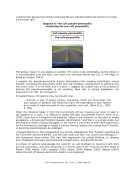
time in her life, she saw that Jenny, her ―old self‖ or pre-cult personality, was
re-emerging over a long period of time and as this happened, life was much
more painful than when she was complying with her cult pseudo-personality,
Magdalene. As she became more aware, she did not know which side she
should be on. Others had noticed this split, and she confused those who
thought she was one sort of person and then discovered she actually thought
quite differently. For example, other ex-members of the community thought
she was serious and judgmental, whereas she was actually quite playful and
compassionate.
After she left the group, Jenny said,
Magdalene, was ―born‖ so I could become the person they
expected me to be, hating my parents, rejecting all outside the
community, and doing things I would never have done before—I
was a stranger to myself. Magdalene is still present in me, and
her voice is different from mine. I fight her a lot of the time
because they told us our parents deserved to die. I am
exhausted and mixed up.
Jenny‘s very self, and her personality, were sharply changed and deeply and
utterly affected by the experience of being with this group of people.
To discuss what happened to Jenny/Magdalene, I will briefly explore what is self and what is
personality. I will then look at some attempts to define the cult pseudo-personality.
order for her to ―stay right with God,‖ they would need to punish her by
beating her 40 times with a cane. Jenny/Magdalene was deeply shocked by
this and was left shaking and frightened. Following the rebukes and beating,
Jenny became Magdalene in actuality—she became quiet, serious, and
religious, complying fully with the beliefs and practices of her new group of
people, her new ―family.‖ She dressed differently, wore her hair differently:
She looked and behaved like a different person.
Not long after, she was told that God wanted new members to join the
community. And although at one time Jenny would have questioned this
whole ―going out and dragging people in‖ thing, and would have absolutely
refused, on some level, Magdalene remembered their anger and her shock at
being rebuked and beaten, which had happened unpredictably many more
times, and so did as she was told. She was unresponsive when she was told
that any tactics at all would be okay to bring people in—she was assigned to
bring men into the group. She understood the implications, and Jenny was
buried deep within. Magdalene identified with her new community of people,
truly believing that sleeping with men in order to bring them in and obeying
without question were the work of God.
Following investigation by local church leaders, the community was
disbanded. Unfortunately, the leaders did not know the full extent of the
abuse in the community or understand the impact the experience had had on
Jenny/Magdalene. She therefore continued her church involvement, not
realising how traumatised and abused she had been, or how compliant she
still was. Over time, she learned to question more, although doing this was
challenging for her because she was still fearful of punishment. Nevertheless,
Jenny began to re-emerge and at that point, she began to experience real
depression and post-traumatic stress. She felt trapped: She HAD to be part of
a church otherwise, God would kill her (so she had been told). But she could
not stay part of a church and survive psychologically. Looking back at this
time in her life, she saw that Jenny, her ―old self‖ or pre-cult personality, was
re-emerging over a long period of time and as this happened, life was much
more painful than when she was complying with her cult pseudo-personality,
Magdalene. As she became more aware, she did not know which side she
should be on. Others had noticed this split, and she confused those who
thought she was one sort of person and then discovered she actually thought
quite differently. For example, other ex-members of the community thought
she was serious and judgmental, whereas she was actually quite playful and
compassionate.
After she left the group, Jenny said,
Magdalene, was ―born‖ so I could become the person they
expected me to be, hating my parents, rejecting all outside the
community, and doing things I would never have done before—I
was a stranger to myself. Magdalene is still present in me, and
her voice is different from mine. I fight her a lot of the time
because they told us our parents deserved to die. I am
exhausted and mixed up.
Jenny‘s very self, and her personality, were sharply changed and deeply and
utterly affected by the experience of being with this group of people.
To discuss what happened to Jenny/Magdalene, I will briefly explore what is self and what is
personality. I will then look at some attempts to define the cult pseudo-personality.