Cultic Studies Review, Vol. 7, No. 3, 2008, Page 46
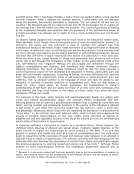
and its members were just ordinary people. In addition, the continuance of those anti-Aleph
movements appeared more oppressive than before, since anti-Aum movements of local
communities had all ended in reconciliation, although they were close to defeats. Thus,
Japan‘s structure of political opportunities on the ―cult‖ issue has changed so much that,
sometimes, even those statements accusing the Japanese public of Aum-bashing seem
refreshing.
Conclusions
The ―cult‖ problem described in this paper was a living world that stood paralyzed before
the law and the human-rights movement. The honest and unsatisfied part of residents was
saying, ―Why must we deal with such intractable problems and be forced to listen to those
who argue as if it were none of our business?‖ Such voices must be heard and understood,
for it is not realistic to expect society to accept Aleph members, whose positions have been
preserved simply by the letter of the law and arguments of fairness. Without fully
understanding the fear behind these anti-Aum voices, Aleph members might face tacit
―discrimination‖ in academic enrollment (Mihashi, 2005), employment, and everyday life,
even if they continue to enjoy the protection of law.
To better understand the position of the anti-Aum residents and the implications of that
position for Japanese society, I think it is useful to consider an analogy with the world‘s
current reaction to Japanese atrocities from the Second World War.
Ever since Prime Minister Nakasone made an official visit to the Yasukuni Shrine in the
1980s, Asian nations have harshly criticized Japan. Furthermore, South Korea has criticized
the history textbook issue centering on the forced transfer of Koreans and comfort women
(sex slaves for soldiers), as well as Japan‘s interpretation of the war. In contrast, the
reparations issue has been politically settled within Japanese-North Korean and Japanese-
South Korean relations. Can we simply dismiss the way those countries express their anger
or frustration over Japanese attitudes? Can we repeatedly insist that reflection on Japan‘s
actions 60 long years ago is an unreasonable interference or political strategy? Can we
erase the invasion by Japanese soldiers from the memories of war victims in Asia? We
perpetrated certain things in the war that deserve current criticism, and Japan cannot
escape that responsibility. Legally it is possible, but on a moral level it is not. As long as we
are Japanese, we all have to share the burden of Japan‘s history. If that is so, we have no
choice but to listen to other countries‘ criticisms about the remnants of state Shintoism,
which became a breeding ground for militarism, as manifested in history textbooks with a
strong nationalistic tinge and a political climate reminiscent of the National Mobilization Law.
The international community will not accept the brazen attitude of Japan demanding proof.
Just as the passage of time and legal details do not morally exonerate Japan from its past
actions, so too do current Aleph members bear some responsibility for the heinous crimes
their group perpetrated. And just as Japan is morally bound to listen respectfully to the
criticisms of those whom it once victimized, so too do current Aleph members and their
supporters have an obligation to respect the fears of those for whom the memories of Aum‘s
attacks are still vivid.
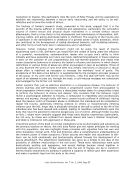
Current Aleph members should know what their former leader and some of their fellow
members did, and they should answer why and how the Aum dogma, training methods, and
organizational structure at the core of their faith managed to generate such an
unprecedented level of violence. They should conduct their current activities in a positive
manner by reflecting on their responsibility. Unfortunately, their behavior and
pronouncements seem to be irresponsible and indifferent to the expectations of the general
public. Therefore, people judge them to be human beings lacking in ordinary moral sense.
Human-rights activists who consider such views to be merely discrimination are locked in a
and its members were just ordinary people. In addition, the continuance of those anti-Aleph
movements appeared more oppressive than before, since anti-Aum movements of local
communities had all ended in reconciliation, although they were close to defeats. Thus,
Japan‘s structure of political opportunities on the ―cult‖ issue has changed so much that,
sometimes, even those statements accusing the Japanese public of Aum-bashing seem
refreshing.
Conclusions
The ―cult‖ problem described in this paper was a living world that stood paralyzed before
the law and the human-rights movement. The honest and unsatisfied part of residents was
saying, ―Why must we deal with such intractable problems and be forced to listen to those
who argue as if it were none of our business?‖ Such voices must be heard and understood,
for it is not realistic to expect society to accept Aleph members, whose positions have been
preserved simply by the letter of the law and arguments of fairness. Without fully
understanding the fear behind these anti-Aum voices, Aleph members might face tacit
―discrimination‖ in academic enrollment (Mihashi, 2005), employment, and everyday life,
even if they continue to enjoy the protection of law.
To better understand the position of the anti-Aum residents and the implications of that
position for Japanese society, I think it is useful to consider an analogy with the world‘s
current reaction to Japanese atrocities from the Second World War.
Ever since Prime Minister Nakasone made an official visit to the Yasukuni Shrine in the
1980s, Asian nations have harshly criticized Japan. Furthermore, South Korea has criticized
the history textbook issue centering on the forced transfer of Koreans and comfort women
(sex slaves for soldiers), as well as Japan‘s interpretation of the war. In contrast, the
reparations issue has been politically settled within Japanese-North Korean and Japanese-
South Korean relations. Can we simply dismiss the way those countries express their anger
or frustration over Japanese attitudes? Can we repeatedly insist that reflection on Japan‘s
actions 60 long years ago is an unreasonable interference or political strategy? Can we
erase the invasion by Japanese soldiers from the memories of war victims in Asia? We
perpetrated certain things in the war that deserve current criticism, and Japan cannot
escape that responsibility. Legally it is possible, but on a moral level it is not. As long as we
are Japanese, we all have to share the burden of Japan‘s history. If that is so, we have no
choice but to listen to other countries‘ criticisms about the remnants of state Shintoism,
which became a breeding ground for militarism, as manifested in history textbooks with a
strong nationalistic tinge and a political climate reminiscent of the National Mobilization Law.
The international community will not accept the brazen attitude of Japan demanding proof.
Just as the passage of time and legal details do not morally exonerate Japan from its past
actions, so too do current Aleph members bear some responsibility for the heinous crimes
their group perpetrated. And just as Japan is morally bound to listen respectfully to the
criticisms of those whom it once victimized, so too do current Aleph members and their
supporters have an obligation to respect the fears of those for whom the memories of Aum‘s
attacks are still vivid.
Current Aleph members should know what their former leader and some of their fellow
members did, and they should answer why and how the Aum dogma, training methods, and
organizational structure at the core of their faith managed to generate such an
unprecedented level of violence. They should conduct their current activities in a positive
manner by reflecting on their responsibility. Unfortunately, their behavior and
pronouncements seem to be irresponsible and indifferent to the expectations of the general
public. Therefore, people judge them to be human beings lacking in ordinary moral sense.
Human-rights activists who consider such views to be merely discrimination are locked in a