Cultic Studies Review, Vol. 7, No. 3, 2008, Page 12
I suggest that the individual cult member might dissociate to cope with the trauma, but I
believe the formation of the cult pseudo-personality is a different process and is not a
dissociated part, alter, or ANP/EP.
What Is the Pseudo-Personality?
I will now discuss how I believe the pseudo-personality forms. I will do this by looking at
―the machine‖ and discussing the concept of introjection.
The Machine
―I feel as if my real self was like a little dot, like a seed that was buried in deep soil, and
then a layer of tarmac (asphalt) laid over me‖ (ex-cult member quotation).
I suggest that the cult was, for Jenny/Magdalene, like a relentless machine, like a steam
roller on hot tarmac with hooked spikes in it, pressing and pushing its ideology, beliefs, and
culture on to her, the unsuspecting individual, hooking into Jenny using her vulnerability
and parts of the pre-cult identity to establish itself (Hassan, 2000). She eventually became
buried under the tarmac. Jenny/Magdalene was recruited and ―love bombed‖ through
deceitful recruitment techniques (Martin, 1993), and what she got was not what she
expected.
This process reflects an exchange: The machine relentlessly overlays the individual as the
individual welcomes the machine, not realising what she is getting into or what is behind
what seems like love. Jenny/Magdalene thought she was ―laying down her life‖ for God
others believe they will become enlightened, see the world become a better place through a
worthy political cause, and so on. And they become buried under the tarmac. As Hassan
(2000) notes, the cult anchors itself to parts of the cult members‘ past experiences. For
Jenny/Magdalene, the cult of confession ensures that the community knows more about
Jenny than she realises and gives them ammunition to control and manipulate her by
playing on her ―confessed‖ personal vulnerabilities.
Cult pseudo-personality
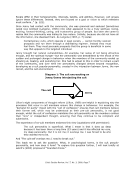
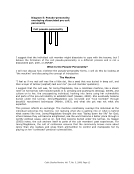
Diagram 5: Pseudo-personality
overlaying dissociated pre-cult
personality
I suggest that the individual cult member might dissociate to cope with the trauma, but I
believe the formation of the cult pseudo-personality is a different process and is not a
dissociated part, alter, or ANP/EP.
What Is the Pseudo-Personality?
I will now discuss how I believe the pseudo-personality forms. I will do this by looking at
―the machine‖ and discussing the concept of introjection.
The Machine
―I feel as if my real self was like a little dot, like a seed that was buried in deep soil, and
then a layer of tarmac (asphalt) laid over me‖ (ex-cult member quotation).
I suggest that the cult was, for Jenny/Magdalene, like a relentless machine, like a steam
roller on hot tarmac with hooked spikes in it, pressing and pushing its ideology, beliefs, and
culture on to her, the unsuspecting individual, hooking into Jenny using her vulnerability
and parts of the pre-cult identity to establish itself (Hassan, 2000). She eventually became
buried under the tarmac. Jenny/Magdalene was recruited and ―love bombed‖ through
deceitful recruitment techniques (Martin, 1993), and what she got was not what she
expected.
This process reflects an exchange: The machine relentlessly overlays the individual as the
individual welcomes the machine, not realising what she is getting into or what is behind
what seems like love. Jenny/Magdalene thought she was ―laying down her life‖ for God
others believe they will become enlightened, see the world become a better place through a
worthy political cause, and so on. And they become buried under the tarmac. As Hassan
(2000) notes, the cult anchors itself to parts of the cult members‘ past experiences. For
Jenny/Magdalene, the cult of confession ensures that the community knows more about
Jenny than she realises and gives them ammunition to control and manipulate her by
playing on her ―confessed‖ personal vulnerabilities.
Cult pseudo-personality
Diagram 5: Pseudo-personality
overlaying dissociated pre-cult
personality