Cultic Studies Review, Vol. 7, No. 3, 2008, Page 38
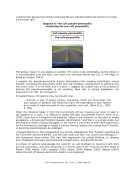
Kita-Mimaki Town, Nagano (Aum members began to reside in Nov. ‗98 anti-Aum
movement began in Jan. ‗99) Takane Town, Yamanashi (Sep. ‗98 → Jan. ‗99) Miwa Town,
Ibaraki (Apr. ‗98 → Apr. ‗99) Asahi Village, Ibaraki (Nov. ‗96 → Apr. ‗99) Tokigawa Village,
Saitama (Mar. ‗97 → May ‗99) Kosei Town, Shiga (May ‗97 → May ‗99) Fukiage Town,
Saitama (Dec. ‗97 → May, ‗99) and Otawara Town, Tochigi (simultaneously in June ‗99)
(Tezuka, 1999:6-10).
Why 1999? In December of 1995, the Public Security Investigation Agency made a proposal
to collectively apply the Subversive Activities Prevention Law to Aum. The request was
dismissed by the Public Security Examination Commission (PSEC) in January, 1997.
According to Asano, the Public Security Investigation Agency, reborn in the wake of the
Aum incidents after overcoming potentially fatal restructuring, was determined once again
to have new anti-Aum legislation passed. Accordingly, the agency intentionally leaked
information to local municipalities and fueled fears of a possible Aum revival, thereby
increasing its workload and preserving itself (Asano, 2000:34-37).
While this insight is both penetrating and interesting, it overlooks the shock and fear of
ordinary Japanese. At that time, Japanese society had no effective control over Aum, which
still had approximately 1,500 members. Although the founder Asahara and his top disciples
were on trial, and 187 members have been convicted since 1995, the Aum Board of
Directors did not officially admit criminal activities by the founder and top disciples until
1999, and consequently no apology was given to victims. Instead, they believed Asahara‘s
prediction that Armageddon would come in 1997 or 1999, as a result of which some
members searched for land and houses for collective residence.
Moreover, at the end of 1999, influential leader Fumihiro Jouyu was released from prison
(Jouyu, 2007). Security police monitored Aum‘s movements and kept local municipalities
informed of them. Locals who encountered Aum directly or were informed by local
municipalities could not understand Aum‘s beliefs and attitudes. Because of court decisions,
they had no way of opposing Aum‘s entry into their communities and their collective living
arrangements. In addition to the Public Security Investigation Agency, politicians also
struggled to legislate alternative security regulations against Aum.
In November 1999, new anti-Aum laws (the Organization Restriction Act and the Victim
Relief Act) were passed in an extraordinary Diet session (Japan‘s legislature). Based on the
Organization Restriction Act, the Public Security Investigation Agency asked to place Aum
―Under Surveillance,‖ and the agency set the Aum facilities off limits in February 2000.
This law has been criticized as establishing a contingency framework and as being a
steppingstone to fascism. Members of the Organization Restriction Act Claimee Group
Defense Counsel remarked that the way the Public Security Investigation Agency had
gathered evidence regarding the danger of Aum as a religious cult was extremely sloppy,
thus rendering the application procedure problematic. This notion was supported by Mizuho
Fukushima (Fukushima, 2000:22-25), a House of Councilors member and president of the
Social Democratic Party.
This argument might be attractive to those who are sensitive to human-rights issues.
Although I respect human rights, I reject their conspiracy argument. First of all, the anti-
Aum residents felt weak and would naturally feel emboldened by events that supported
their position. The discussions that surely preceded the passage of the new anti-Aum laws
in November 1999 certainly would have energized anti-Aum residents and increased the
likelihood of their communicating and cooperating with each other.
Secondly, the human-rights activists who simply asserted that anti-Aum residents, or
―mobs‖ (Kitsuki, 2000:47), were manipulated by the Japanese government ignored the fact
that the activists‘ support of Aum activities, including their opposition to the new anti-Aum
Kita-Mimaki Town, Nagano (Aum members began to reside in Nov. ‗98 anti-Aum
movement began in Jan. ‗99) Takane Town, Yamanashi (Sep. ‗98 → Jan. ‗99) Miwa Town,
Ibaraki (Apr. ‗98 → Apr. ‗99) Asahi Village, Ibaraki (Nov. ‗96 → Apr. ‗99) Tokigawa Village,
Saitama (Mar. ‗97 → May ‗99) Kosei Town, Shiga (May ‗97 → May ‗99) Fukiage Town,
Saitama (Dec. ‗97 → May, ‗99) and Otawara Town, Tochigi (simultaneously in June ‗99)
(Tezuka, 1999:6-10).
Why 1999? In December of 1995, the Public Security Investigation Agency made a proposal
to collectively apply the Subversive Activities Prevention Law to Aum. The request was
dismissed by the Public Security Examination Commission (PSEC) in January, 1997.
According to Asano, the Public Security Investigation Agency, reborn in the wake of the
Aum incidents after overcoming potentially fatal restructuring, was determined once again
to have new anti-Aum legislation passed. Accordingly, the agency intentionally leaked
information to local municipalities and fueled fears of a possible Aum revival, thereby
increasing its workload and preserving itself (Asano, 2000:34-37).
While this insight is both penetrating and interesting, it overlooks the shock and fear of
ordinary Japanese. At that time, Japanese society had no effective control over Aum, which
still had approximately 1,500 members. Although the founder Asahara and his top disciples
were on trial, and 187 members have been convicted since 1995, the Aum Board of
Directors did not officially admit criminal activities by the founder and top disciples until
1999, and consequently no apology was given to victims. Instead, they believed Asahara‘s
prediction that Armageddon would come in 1997 or 1999, as a result of which some
members searched for land and houses for collective residence.
Moreover, at the end of 1999, influential leader Fumihiro Jouyu was released from prison
(Jouyu, 2007). Security police monitored Aum‘s movements and kept local municipalities
informed of them. Locals who encountered Aum directly or were informed by local
municipalities could not understand Aum‘s beliefs and attitudes. Because of court decisions,
they had no way of opposing Aum‘s entry into their communities and their collective living
arrangements. In addition to the Public Security Investigation Agency, politicians also
struggled to legislate alternative security regulations against Aum.
In November 1999, new anti-Aum laws (the Organization Restriction Act and the Victim
Relief Act) were passed in an extraordinary Diet session (Japan‘s legislature). Based on the
Organization Restriction Act, the Public Security Investigation Agency asked to place Aum
―Under Surveillance,‖ and the agency set the Aum facilities off limits in February 2000.
This law has been criticized as establishing a contingency framework and as being a
steppingstone to fascism. Members of the Organization Restriction Act Claimee Group
Defense Counsel remarked that the way the Public Security Investigation Agency had
gathered evidence regarding the danger of Aum as a religious cult was extremely sloppy,
thus rendering the application procedure problematic. This notion was supported by Mizuho
Fukushima (Fukushima, 2000:22-25), a House of Councilors member and president of the
Social Democratic Party.
This argument might be attractive to those who are sensitive to human-rights issues.
Although I respect human rights, I reject their conspiracy argument. First of all, the anti-
Aum residents felt weak and would naturally feel emboldened by events that supported
their position. The discussions that surely preceded the passage of the new anti-Aum laws
in November 1999 certainly would have energized anti-Aum residents and increased the
likelihood of their communicating and cooperating with each other.
Secondly, the human-rights activists who simply asserted that anti-Aum residents, or
―mobs‖ (Kitsuki, 2000:47), were manipulated by the Japanese government ignored the fact
that the activists‘ support of Aum activities, including their opposition to the new anti-Aum