Cultic Studies Review, Vol. 1, No. 2, 2002, Page 99
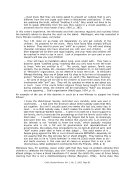
particularly hypochondriacal delusions (Wada, Kawakatsu, Komatani, Okuyama, &Otani,
1999). Kane had told Matthew and others that he believed he had terminal cancer.
Matthew was told that the group had many members. It was explained to him that the
group was divided into smaller warrior groups who trained together. The army as a whole
would not meet until necessary. In this way, Matthew did not know of other members
beyond his own sub-group, although he was convinced that they existed. He was
encouraged to live at the boarding house along with other group members, and Kane closely
monitored his activities. Matthew was led to believe that he was part of an inner circle of
members who would reap financial and other benefits when the group acted against the
government. Matthew was encouraged to believe that the police and government personnel
were enemies.
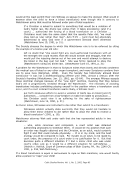
Matthew became disenchanted with Kane, the group, and the way of life. He left the group
and avoided his associates from the group. However, when Matthew was 26 years old, Kane
again made contact with him and encouraged him to rejoin the group. Matthew agreed,
although he did not return to live at the boarding house despite considerable pressure to do
so. By this time, he had begun a relationship and was residing with his girlfriend.
Matthew again commenced martial arts training. At this time, however, Kane demonstrated
an escalation of eccentric and bizarre behavior. He was reported to have become
increasingly volatile, and his behavior was reported to be erratic. He told Matthew of a plan
to gain control of the state. It was at this time that Matthew learned that his girlfriend was
pregnant with their first child.
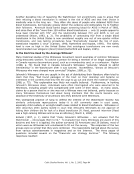
According to Kane‘s plan, activities of the group were to be financed by extorting money
from a local, wealthy businessman. The plan entailed the group breaking into a federal
armory to amass an arsenal of weapons and explosives. Group members were then to cause
an explosion at a fuel-storage facility on the outskirts of the city, which would result in
massive local devastation. Kane‘s intention was for group members to storm police
headquarters and gain control of the state from there while police and emergency services
were dealing with the aftermath of the explosion.
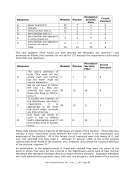
To this end, Kane instructed Matthew and other group members to engage in a range of
illegal activities including vandalism, assault, and extortion. Group members deemed many
of these actions to have symbolic importance. The criminal activities were interesting for
two reasons. First, the majority of group members, including Matthew, had no history of
criminal behavior before they engaged in such activities at the direction of the group leader.
Despite this, they did not question Kane‘s demands of them. Second, at no time did Kane
participate in these activities group members acted as the perpetrators of the crimes while
the leader isolated himself from the activity.
The plan clearly was a grand one. However, certain factors would have influenced the extent
to which Matthew and fellow group members would have believed that Kane was capable of
coordinating the activities necessary to achieve the goal. First, Tasmania is an island state
with a population of only approximately 500,000 people. The capital city, Hobart, is located
at the south of the state and is the only city with a population greater than 100,000. In
theory, with enough personnel and firepower, isolating the state from mainland Australia
would be possible. Worth remembering is that Matthew was unaware of the number of
group members, but he had been led to believe that there were sufficient numbers to form
an army. Second, it was clear that Kane already had a considerable number of weapons and
sufficient explosives to cause devastation at the fuel depot. Kane had shown Matthew the
explosives and weapons. Third, the fuel-storage facility was located adjacent to a suburban
area. An explosion at this site potentially would have caused loss of life, destruction of
property, and disruption to infrastructure. The group members believed that these events
would occur because of the group leader‘s degree of influence.
particularly hypochondriacal delusions (Wada, Kawakatsu, Komatani, Okuyama, &Otani,
1999). Kane had told Matthew and others that he believed he had terminal cancer.
Matthew was told that the group had many members. It was explained to him that the
group was divided into smaller warrior groups who trained together. The army as a whole
would not meet until necessary. In this way, Matthew did not know of other members
beyond his own sub-group, although he was convinced that they existed. He was
encouraged to live at the boarding house along with other group members, and Kane closely
monitored his activities. Matthew was led to believe that he was part of an inner circle of
members who would reap financial and other benefits when the group acted against the
government. Matthew was encouraged to believe that the police and government personnel
were enemies.
Matthew became disenchanted with Kane, the group, and the way of life. He left the group
and avoided his associates from the group. However, when Matthew was 26 years old, Kane
again made contact with him and encouraged him to rejoin the group. Matthew agreed,
although he did not return to live at the boarding house despite considerable pressure to do
so. By this time, he had begun a relationship and was residing with his girlfriend.
Matthew again commenced martial arts training. At this time, however, Kane demonstrated
an escalation of eccentric and bizarre behavior. He was reported to have become
increasingly volatile, and his behavior was reported to be erratic. He told Matthew of a plan
to gain control of the state. It was at this time that Matthew learned that his girlfriend was
pregnant with their first child.
According to Kane‘s plan, activities of the group were to be financed by extorting money
from a local, wealthy businessman. The plan entailed the group breaking into a federal
armory to amass an arsenal of weapons and explosives. Group members were then to cause
an explosion at a fuel-storage facility on the outskirts of the city, which would result in
massive local devastation. Kane‘s intention was for group members to storm police
headquarters and gain control of the state from there while police and emergency services
were dealing with the aftermath of the explosion.
To this end, Kane instructed Matthew and other group members to engage in a range of
illegal activities including vandalism, assault, and extortion. Group members deemed many
of these actions to have symbolic importance. The criminal activities were interesting for
two reasons. First, the majority of group members, including Matthew, had no history of
criminal behavior before they engaged in such activities at the direction of the group leader.
Despite this, they did not question Kane‘s demands of them. Second, at no time did Kane
participate in these activities group members acted as the perpetrators of the crimes while
the leader isolated himself from the activity.
The plan clearly was a grand one. However, certain factors would have influenced the extent
to which Matthew and fellow group members would have believed that Kane was capable of
coordinating the activities necessary to achieve the goal. First, Tasmania is an island state
with a population of only approximately 500,000 people. The capital city, Hobart, is located
at the south of the state and is the only city with a population greater than 100,000. In
theory, with enough personnel and firepower, isolating the state from mainland Australia
would be possible. Worth remembering is that Matthew was unaware of the number of
group members, but he had been led to believe that there were sufficient numbers to form
an army. Second, it was clear that Kane already had a considerable number of weapons and
sufficient explosives to cause devastation at the fuel depot. Kane had shown Matthew the
explosives and weapons. Third, the fuel-storage facility was located adjacent to a suburban
area. An explosion at this site potentially would have caused loss of life, destruction of
property, and disruption to infrastructure. The group members believed that these events
would occur because of the group leader‘s degree of influence.