Cultic Studies Review, Vol. 1, No. 2, 2002, Page 115
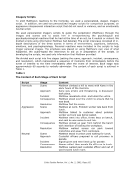
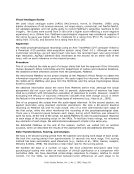
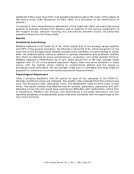
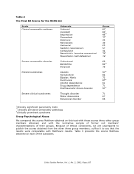
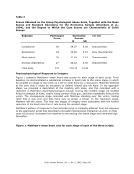
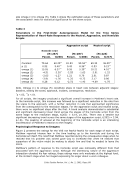
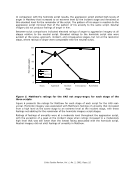
The first subscale of this test measures compliance, or the degree to which the group leader
insists that the individual behave in a way the leader demands. Matthew obtained a
compliance score that was comparable to those obtained by former cult members. The
second subscale measures exploitation, or the unethical use of power within the group by
the leader. Matthew obtained scores that were substantially higher than those obtained for
the former cult members, indicating that he perceived (the GPA measures perceptions, not
objective reality of the group) a very high degree of exploitation operating in this group.
The third subscale measures mind control, which assesses the nature of the relationship
between the leader and the group members in terms of power and manipulation, and the
extent to which the leader reduces members‘ capacity to engage in critical thinking. The
scores Matthew obtained were comparable to the normative scores for the group of former
cult members.
The final subscale measures anxious dependency, which describes the nature of the
physical, psychological, and spiritual needs of the group as defined by the leader. The
dependency resembles an unconditional bond, and removal of favor by the leader results in
anxiety in members of the group. In a cult/group situation, dependency can be absolute,
and the fear associated with this dependency can color all member experiences. Matthew
obtained a score that was comparable with the normative cult members‘ scores.
Within the context of the manipulation of the leader and the negative influences of the
group, Matthew engaged in a range of criminal behavior despite having no history of such
activity prior to joining the group. It is interesting that, similarly, the perpetration of serious
criminal activity by Aum Shinrikyo (Supreme Truth) members was reported to have
occurred, in part, as a result of their obedience based on a fear that they themselves would
be killed if they did not perform the criminal actions (Nishida, 2001). Matthew, too, feared
for his life if he acted against group beliefs or thwarted the leader.
A confluence of particular circumstances would have created an intense conflict for
Matthew: He was facing a need to disengage from the group he had a constriction of
problem-solving options and he had a decreased ability to make decisions, particularly
decisions that would move him away from the group‘s belief system. These factors might
have led him to believe that he had no choice but to take the life of the leader.
Clearly, the disrupted childhood, the personality pathology, and the influences of the group
of which he was a member all contributed to influence this act of homicide. However, the
study would be incomplete if we were to examine these factors without considering the peri-
homicide reactions of the perpetrator to the act of homicide. We took these reactions into
consideration by using a personalized, staged, guided-imagery methodology.
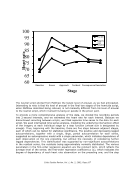
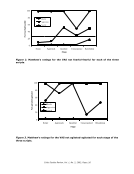
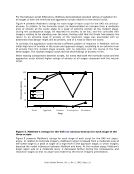
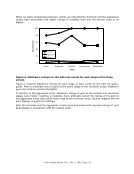
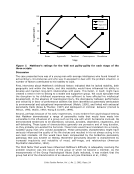
In Matthew‘s response to homicide imagery, after a peak of arousal in the approach stage,
he demonstrated a reduction in arousal. From the incident stage, this reduction in heart rate
coincided with his self-report of intense depersonalization and extreme ratings of unreality
as measured by the VASs. This pattern of heart-rate reduction associated with reports of
dissociative experiences has been identified elsewhere by means of this guided-imagery
methodology (Williams, Haines, Sale, &Doherty, 1999). Intense anxiety leads to
depersonalization experiences as a mechanism for coping with the distress (Nuller, 1982
Williams et al., 1999). However, whereas criminal law covers complete dissociation under
the insanity plea pertaining to automatism (http://www. thelaw.tas.gov.au/),
depersonalization is not accommodated as easily and there is debate about the extent to
which depersonalization actually lessens the normal constraints on behavior and increases
the likelihood of impulsive action (Frasquilho &Oakley, 1997 Kuley &Jacobs, 1988).
Nevertheless, the results in Matthew‘s case have explanatory power in relation to his motive
for homicide. The results are consistent with an explanation that Matthew was trying to
The first subscale of this test measures compliance, or the degree to which the group leader
insists that the individual behave in a way the leader demands. Matthew obtained a
compliance score that was comparable to those obtained by former cult members. The
second subscale measures exploitation, or the unethical use of power within the group by
the leader. Matthew obtained scores that were substantially higher than those obtained for
the former cult members, indicating that he perceived (the GPA measures perceptions, not
objective reality of the group) a very high degree of exploitation operating in this group.
The third subscale measures mind control, which assesses the nature of the relationship
between the leader and the group members in terms of power and manipulation, and the
extent to which the leader reduces members‘ capacity to engage in critical thinking. The
scores Matthew obtained were comparable to the normative scores for the group of former
cult members.
The final subscale measures anxious dependency, which describes the nature of the
physical, psychological, and spiritual needs of the group as defined by the leader. The
dependency resembles an unconditional bond, and removal of favor by the leader results in
anxiety in members of the group. In a cult/group situation, dependency can be absolute,
and the fear associated with this dependency can color all member experiences. Matthew
obtained a score that was comparable with the normative cult members‘ scores.
Within the context of the manipulation of the leader and the negative influences of the
group, Matthew engaged in a range of criminal behavior despite having no history of such
activity prior to joining the group. It is interesting that, similarly, the perpetration of serious
criminal activity by Aum Shinrikyo (Supreme Truth) members was reported to have
occurred, in part, as a result of their obedience based on a fear that they themselves would
be killed if they did not perform the criminal actions (Nishida, 2001). Matthew, too, feared
for his life if he acted against group beliefs or thwarted the leader.
A confluence of particular circumstances would have created an intense conflict for
Matthew: He was facing a need to disengage from the group he had a constriction of
problem-solving options and he had a decreased ability to make decisions, particularly
decisions that would move him away from the group‘s belief system. These factors might
have led him to believe that he had no choice but to take the life of the leader.
Clearly, the disrupted childhood, the personality pathology, and the influences of the group
of which he was a member all contributed to influence this act of homicide. However, the
study would be incomplete if we were to examine these factors without considering the peri-
homicide reactions of the perpetrator to the act of homicide. We took these reactions into
consideration by using a personalized, staged, guided-imagery methodology.
In Matthew‘s response to homicide imagery, after a peak of arousal in the approach stage,
he demonstrated a reduction in arousal. From the incident stage, this reduction in heart rate
coincided with his self-report of intense depersonalization and extreme ratings of unreality
as measured by the VASs. This pattern of heart-rate reduction associated with reports of
dissociative experiences has been identified elsewhere by means of this guided-imagery
methodology (Williams, Haines, Sale, &Doherty, 1999). Intense anxiety leads to
depersonalization experiences as a mechanism for coping with the distress (Nuller, 1982
Williams et al., 1999). However, whereas criminal law covers complete dissociation under
the insanity plea pertaining to automatism (http://www. thelaw.tas.gov.au/),
depersonalization is not accommodated as easily and there is debate about the extent to
which depersonalization actually lessens the normal constraints on behavior and increases
the likelihood of impulsive action (Frasquilho &Oakley, 1997 Kuley &Jacobs, 1988).
Nevertheless, the results in Matthew‘s case have explanatory power in relation to his motive
for homicide. The results are consistent with an explanation that Matthew was trying to