Cultic Studies Review, Vol. 1, No. 2, 2002, Page 116
solve a problem situation. The reduction in tension and negative affect following the act can
be interpreted as an indication that Matthew felt safe from the power of the group leader
after he was dead, and that Matthew did not have to fear for his life any longer.
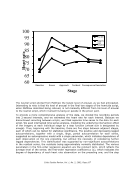
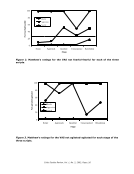
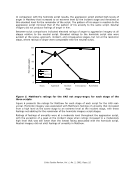
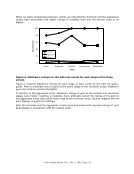
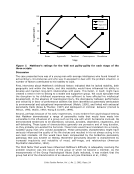
To support this notion, he demonstrated consistent reductions in negative affect at the
consequence stage, in the moments after the death of the victim. Feelings of fear, agitation,
anxiety, and anger all reduced to markedly low levels at this stage. However, the impact of
his actions, and the potential of ongoing threat from other group members who were
believed to have been protecting the leader, resulted in an increase in ratings on these
dimensions during the resolution stage, which was coupled with a desire to flee the scene.
In general, motive for homicide is understood in terms of an expressive-instrumental
dichotomy (Decker, 1996). Expressive homicide is the result of an unplanned escalation of
interpersonal conflict that results in the death of another person. Instrumental homicide has
been described as a premeditated action that is carried out to achieve some goal such as
robbery or rape.
It is not a straightforward matter to assign this particular homicide into an expressive or an
instrumental category. Although the homicide was preceded by an escalation in distress and
the worsening of a conflict situation that are characteristic of an expressive homicide, the
degree of premeditation seems to preclude labeling this homicide expressive. Alternately,
instrumental homicide is commonly associated with a more dispassionate attitude toward
the homicidal action than was evident in relation to this homicide.
We might be able to classify this homicide as instrumental if we consider the nature of the
factors driving the homicidal action. The dispassionate, instrumental homicide seems to be
related to an internal motive. That is, personal gratification of impulses or desires leads to
single-minded, unemotional, homicidal behavior. What might be in operation here is an
instrumental homicide driven by an external motive — in this case, the need to solve a
seemingly unsolvable problem. It might be that internally driven, instrumental homicide is
associated with an unemotional response to the homicidal behavior, whereas externally
driven instrumental homicide is associated with a hyper-reactive emotional and
psychophysiological response.
Interesting to note is that instrumental homicide generally is associated with less
psychological effect for the perpetrator (e.g., Pollock, 1999). That is, the perpetration of
instrumental homicide is considered to be less traumatic for the perpetrator than is the
commission of an expressive homicidal act. However, that may be the case only with
internally driven instrumental homicide. Externally driven instrumental homicide might be
associated with circumstances that would give rise to psychological maladjustment in the
perpetrator. Certainly, in this case, Matthew currently is reporting anxiety, depressive
symptoms, and reports of manifestations of posttraumatic stress that appear to be related
to the group influences and the commission of the homicidal act. Presently, he responds
with anxiety and agitation to perceived undue pressure to engage in activities that he would
prefer not to do. This response is likely a residual effect of group membership but,
unfortunately, the requirement to do non-preferred activities is a common scenario within a
prison system.
Matthew reported intense feelings of guilt in relation to the perpetration of the homicide,
both at the incident stage and at subsequent stages of homicide imagery. The issue of
remorse, however, is more complicated. Matthew now finds it difficult to conceive that he
ever was so strongly influenced by Kane that he felt pressured to commit a homicidal act or
engage in other criminal behaviors. In contrast, he is relieved that Kane is dead and is no
longer a threat to himself or others.
solve a problem situation. The reduction in tension and negative affect following the act can
be interpreted as an indication that Matthew felt safe from the power of the group leader
after he was dead, and that Matthew did not have to fear for his life any longer.
To support this notion, he demonstrated consistent reductions in negative affect at the
consequence stage, in the moments after the death of the victim. Feelings of fear, agitation,
anxiety, and anger all reduced to markedly low levels at this stage. However, the impact of
his actions, and the potential of ongoing threat from other group members who were
believed to have been protecting the leader, resulted in an increase in ratings on these
dimensions during the resolution stage, which was coupled with a desire to flee the scene.
In general, motive for homicide is understood in terms of an expressive-instrumental
dichotomy (Decker, 1996). Expressive homicide is the result of an unplanned escalation of
interpersonal conflict that results in the death of another person. Instrumental homicide has
been described as a premeditated action that is carried out to achieve some goal such as
robbery or rape.
It is not a straightforward matter to assign this particular homicide into an expressive or an
instrumental category. Although the homicide was preceded by an escalation in distress and
the worsening of a conflict situation that are characteristic of an expressive homicide, the
degree of premeditation seems to preclude labeling this homicide expressive. Alternately,
instrumental homicide is commonly associated with a more dispassionate attitude toward
the homicidal action than was evident in relation to this homicide.
We might be able to classify this homicide as instrumental if we consider the nature of the
factors driving the homicidal action. The dispassionate, instrumental homicide seems to be
related to an internal motive. That is, personal gratification of impulses or desires leads to
single-minded, unemotional, homicidal behavior. What might be in operation here is an
instrumental homicide driven by an external motive — in this case, the need to solve a
seemingly unsolvable problem. It might be that internally driven, instrumental homicide is
associated with an unemotional response to the homicidal behavior, whereas externally
driven instrumental homicide is associated with a hyper-reactive emotional and
psychophysiological response.
Interesting to note is that instrumental homicide generally is associated with less
psychological effect for the perpetrator (e.g., Pollock, 1999). That is, the perpetration of
instrumental homicide is considered to be less traumatic for the perpetrator than is the
commission of an expressive homicidal act. However, that may be the case only with
internally driven instrumental homicide. Externally driven instrumental homicide might be
associated with circumstances that would give rise to psychological maladjustment in the
perpetrator. Certainly, in this case, Matthew currently is reporting anxiety, depressive
symptoms, and reports of manifestations of posttraumatic stress that appear to be related
to the group influences and the commission of the homicidal act. Presently, he responds
with anxiety and agitation to perceived undue pressure to engage in activities that he would
prefer not to do. This response is likely a residual effect of group membership but,
unfortunately, the requirement to do non-preferred activities is a common scenario within a
prison system.
Matthew reported intense feelings of guilt in relation to the perpetration of the homicide,
both at the incident stage and at subsequent stages of homicide imagery. The issue of
remorse, however, is more complicated. Matthew now finds it difficult to conceive that he
ever was so strongly influenced by Kane that he felt pressured to commit a homicidal act or
engage in other criminal behaviors. In contrast, he is relieved that Kane is dead and is no
longer a threat to himself or others.