Cultic Studies Review, Vol. 1, No. 2, 2002, Page 104
significant if they were more than 3.29 standard deviations above the mean of the stages of
the neutral script. (See Tabachnick &Fidell, 1989, for a discussion of the identification of
outliers.)
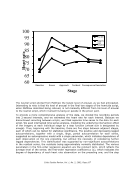
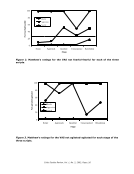
To provide a more comprehensive assessment of the heart-rate data, we used time-series
analysis to evaluate changes from baseline and in response to the various components of
the imagery scripts. Because recording was discontinued between scripts, we performed
separate analyses for the three scripts.
Results
Intellectual Functioning
Matthew obtained a Full Scale IQ of 95, which placed him in the average range together
with 50% of the general population. He obtained a Verbal IQ of 91, which placed him at the
lower end of the average range. Results included some variability of scores related to verbal
skills. He obtained better scores in relation to general information and arithmetic abilities
than those he obtained for social comprehension, vocabulary, and verbal abstract thinking.
Matthew obtained a Performance IQ of 114, which placed him in the high average range
together with 16.1% of the general population. Again, there was some variability in these
scores, with the highest scores relating to constructional abilities and the lowest to
processing visual information. His low average verbal score is consistent with what might be
expected for conditions of environmental/educational impoverishment.
Psychological Adjustment
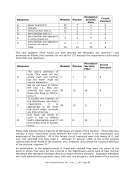
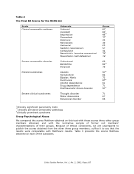
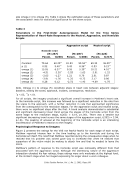
Table 2 presents Matthew‘s final BR scores for each of the subscales of the MCMI-III.
Clinically significant scores are indicated. The validity index indicated that this protocol was
valid. The disclosure index, desirability index, and debasement index all were within normal
limits. The results indicate that Matthew was an isolated, dependent, depressive, and self-
defeating young man who would have experienced difficulties with relationships. At the time
of assessment, Matthew was anxious, was experiencing a low-grade depression, and was
reporting symptoms of posttraumatic stress that were consistent with his experiences at the
time of the homicide.
significant if they were more than 3.29 standard deviations above the mean of the stages of
the neutral script. (See Tabachnick &Fidell, 1989, for a discussion of the identification of
outliers.)
To provide a more comprehensive assessment of the heart-rate data, we used time-series
analysis to evaluate changes from baseline and in response to the various components of
the imagery scripts. Because recording was discontinued between scripts, we performed
separate analyses for the three scripts.
Results
Intellectual Functioning
Matthew obtained a Full Scale IQ of 95, which placed him in the average range together
with 50% of the general population. He obtained a Verbal IQ of 91, which placed him at the
lower end of the average range. Results included some variability of scores related to verbal
skills. He obtained better scores in relation to general information and arithmetic abilities
than those he obtained for social comprehension, vocabulary, and verbal abstract thinking.
Matthew obtained a Performance IQ of 114, which placed him in the high average range
together with 16.1% of the general population. Again, there was some variability in these
scores, with the highest scores relating to constructional abilities and the lowest to
processing visual information. His low average verbal score is consistent with what might be
expected for conditions of environmental/educational impoverishment.
Psychological Adjustment
Table 2 presents Matthew‘s final BR scores for each of the subscales of the MCMI-III.
Clinically significant scores are indicated. The validity index indicated that this protocol was
valid. The disclosure index, desirability index, and debasement index all were within normal
limits. The results indicate that Matthew was an isolated, dependent, depressive, and self-
defeating young man who would have experienced difficulties with relationships. At the time
of assessment, Matthew was anxious, was experiencing a low-grade depression, and was
reporting symptoms of posttraumatic stress that were consistent with his experiences at the
time of the homicide.