Cultic Studies Review, Vol. 1, No. 2, 2002, Page 106
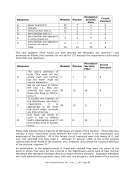
Table 3
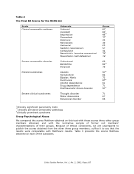
Scores Obtained on the Group Psychological Abuse Scale, Together with the Mean
Scores and Standard Deviations for the Normative Sample (Chambers et al.,
1994), and the Degree to Which the Case Scores are Characteristic of Cultic
Groups
Subscale Participant
Score
Normative
Sample
Cult-Like
M SD
Compliance 30 29.27 5.30 Characteristic
Exploitation 34 22.96 5.91 Very characteristic
Mind control 30 31.64 3.43 Characteristic
Anxious dependency 27 26.52 5.55 Characteristic
Total scale 121 110.70 13.42
Psychophysiological Response to Imagery
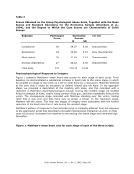
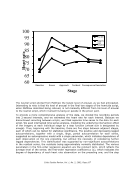
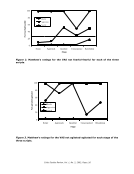
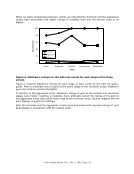
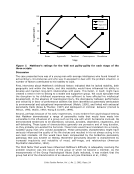
Figure 1 presents Matthew‘s mean heart-rate scores for each stage of each script. From
baseline, he demonstrated a substantial increase in heart rate to the scene stage, in which
he recalled an image of the climb up a hill to meet Kane for a discussion. Matthew believed
at the time that it might be necessary to defend himself and kill Kane. In the approach
stage, we provided a description of the meeting with Kane, and this coincided with a
reduction in Matthew‘s psychophysiological arousal. During the incident stage, he recalled
firing his shotgun at Kane, nearly losing control of the gun, and then repeatedly firing at the
victim. The consequence stage coincided with Matthew standing over the victim, feeling
relief that it was over and that Kane was no longer a threat. In the resolution stage,
Matthew left the scene. The final two stages of imagery were associated with the further
reduction of his heart rate from it rate during the incident stage.
Matthew‘s pattern of response to the homicide script is markedly different from his response
to the aggression script that described a stressful interpersonal interaction at work. In that
case, his arousal increased from baseline to the setting-the-scene stage and remained high
thereafter.
Figure 1. Matthew’s mean heart rate for each stage of each of the three scripts.
Table 3
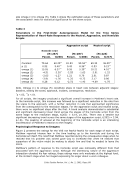
Scores Obtained on the Group Psychological Abuse Scale, Together with the Mean
Scores and Standard Deviations for the Normative Sample (Chambers et al.,
1994), and the Degree to Which the Case Scores are Characteristic of Cultic
Groups
Subscale Participant
Score
Normative
Sample
Cult-Like
M SD
Compliance 30 29.27 5.30 Characteristic
Exploitation 34 22.96 5.91 Very characteristic
Mind control 30 31.64 3.43 Characteristic
Anxious dependency 27 26.52 5.55 Characteristic
Total scale 121 110.70 13.42
Psychophysiological Response to Imagery
Figure 1 presents Matthew‘s mean heart-rate scores for each stage of each script. From
baseline, he demonstrated a substantial increase in heart rate to the scene stage, in which
he recalled an image of the climb up a hill to meet Kane for a discussion. Matthew believed
at the time that it might be necessary to defend himself and kill Kane. In the approach
stage, we provided a description of the meeting with Kane, and this coincided with a
reduction in Matthew‘s psychophysiological arousal. During the incident stage, he recalled
firing his shotgun at Kane, nearly losing control of the gun, and then repeatedly firing at the
victim. The consequence stage coincided with Matthew standing over the victim, feeling
relief that it was over and that Kane was no longer a threat. In the resolution stage,
Matthew left the scene. The final two stages of imagery were associated with the further
reduction of his heart rate from it rate during the incident stage.
Matthew‘s pattern of response to the homicide script is markedly different from his response
to the aggression script that described a stressful interpersonal interaction at work. In that
case, his arousal increased from baseline to the setting-the-scene stage and remained high
thereafter.
Figure 1. Matthew’s mean heart rate for each stage of each of the three scripts.