Cultic Studies Review, Vol. 1, No. 2, 2002, Page 7
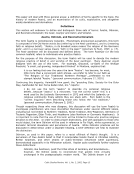
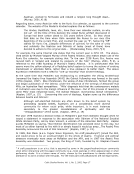
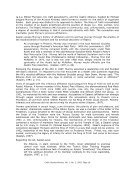
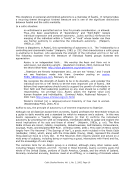
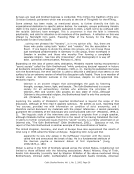
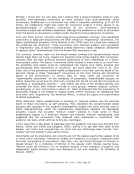
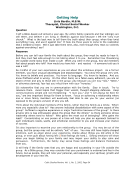
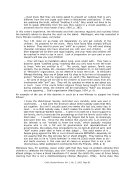
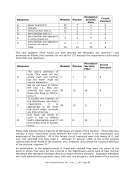
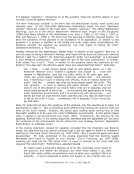
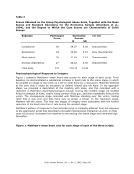
1. The site is based in or on a respected print source.
2. Peers or teachers suggested the site.
3. Ownership of the site is explicit.
4. The site displays a recent date for the posting of information.
5. The site‘s URL includes ―edu‖ or ―org.‖
6. The site has links to other sites.
7. The site includes an e-mail link to its owner.
8. The site has a professional look.
9. The site has a lot of pictures.
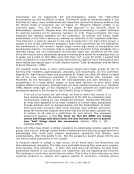
It is important to note that for adolescents the recommendation of a site by peers or
teachers (i.e., people whom teens trust and respect) is very important in determining the
quality of a site. This belief among teens helps explain the following anecdotal evidence
offered by Karen Scheider, the director for technology at Shenendehowa Public Library near
Albany, New York. Schneider worries that though they are extremely sophisticated in their
use of new technology, teens are often vulnerable when it comes to judging the information
they find there. Schneider claims that if you ―show them a list of the presidents out of
order on a Web site, then show them a correct listing in a book, they‘ll believe the
computer‖ (Mendels, 2000, para. 9). This does not necessarily mean that young people
blindly trust all that they find on the Web. It could show that teens are looking for guidance
on how to surf the Web, and they trust sites that are shown to them by respected sources,
whether a respected print source (the number one criteria that students identified), or a
respected peer or adult, the second most important criteria.
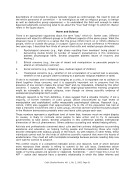
As marketers become savvier regarding adolescent Web use, teens become more
suggestible to their pitches. Kathryn Montgomery, president of the Center for Media
Education points out, ―Teens don‘t like to be marketed to, but in response to that,
marketers are creating sites that don‘t look like marketing. Kids may not know what this is
all about‖ (Overton, 2000, p. 52). Others interested in influencing teens, including
destructive ideological organizations, may follow the marketers by using sophisticated
persuasive techniques on the Web.
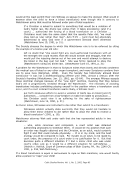
Even if the marketing/persuasion dimension is set aside, teens are still at risk of being
influenced by dubious Internet information sources because so many teens surf the Web
without supervision or guidance. John Geraci, who oversees online polls of young Internet
users for the Harris Interactive market research firm, says that students who had Internet
access at home preferred to do online research and homework from home, rather than from
a school or library computer. Such young people are thus isolated from the teachers and
librarians who could point them to worthwhile and relevant online resources (Leibovich,
2000). As more and more families obtain Internet access at home, young people will need
Web sites maintained by respected and trusted sources to guide them through all the online
junk.
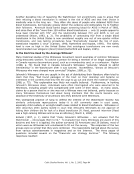
Teens, Religion, and the Internet
Tom Beaudoin (1998), a noted spokesperson for Generation X, discusses the spirituality of
his generation through an examination of fashions, use of the Internet, and music videos.
According to Beaudoin, GenXers are comfortable with cyberspace because they have grown
up with computers and video games. He writes:
Although the number of Americans on-line has been frequently exaggerated,
GenXers have generally constituted around one-third of the total number of
1. The site is based in or on a respected print source.
2. Peers or teachers suggested the site.
3. Ownership of the site is explicit.
4. The site displays a recent date for the posting of information.
5. The site‘s URL includes ―edu‖ or ―org.‖
6. The site has links to other sites.
7. The site includes an e-mail link to its owner.
8. The site has a professional look.
9. The site has a lot of pictures.
It is important to note that for adolescents the recommendation of a site by peers or
teachers (i.e., people whom teens trust and respect) is very important in determining the
quality of a site. This belief among teens helps explain the following anecdotal evidence
offered by Karen Scheider, the director for technology at Shenendehowa Public Library near
Albany, New York. Schneider worries that though they are extremely sophisticated in their
use of new technology, teens are often vulnerable when it comes to judging the information
they find there. Schneider claims that if you ―show them a list of the presidents out of
order on a Web site, then show them a correct listing in a book, they‘ll believe the
computer‖ (Mendels, 2000, para. 9). This does not necessarily mean that young people
blindly trust all that they find on the Web. It could show that teens are looking for guidance
on how to surf the Web, and they trust sites that are shown to them by respected sources,
whether a respected print source (the number one criteria that students identified), or a
respected peer or adult, the second most important criteria.
As marketers become savvier regarding adolescent Web use, teens become more
suggestible to their pitches. Kathryn Montgomery, president of the Center for Media
Education points out, ―Teens don‘t like to be marketed to, but in response to that,
marketers are creating sites that don‘t look like marketing. Kids may not know what this is
all about‖ (Overton, 2000, p. 52). Others interested in influencing teens, including
destructive ideological organizations, may follow the marketers by using sophisticated
persuasive techniques on the Web.
Even if the marketing/persuasion dimension is set aside, teens are still at risk of being
influenced by dubious Internet information sources because so many teens surf the Web
without supervision or guidance. John Geraci, who oversees online polls of young Internet
users for the Harris Interactive market research firm, says that students who had Internet
access at home preferred to do online research and homework from home, rather than from
a school or library computer. Such young people are thus isolated from the teachers and
librarians who could point them to worthwhile and relevant online resources (Leibovich,
2000). As more and more families obtain Internet access at home, young people will need
Web sites maintained by respected and trusted sources to guide them through all the online
junk.
Teens, Religion, and the Internet
Tom Beaudoin (1998), a noted spokesperson for Generation X, discusses the spirituality of
his generation through an examination of fashions, use of the Internet, and music videos.
According to Beaudoin, GenXers are comfortable with cyberspace because they have grown
up with computers and video games. He writes:
Although the number of Americans on-line has been frequently exaggerated,
GenXers have generally constituted around one-third of the total number of