Cultic Studies Review, Vol. 1, No. 2, 2002, Page 117
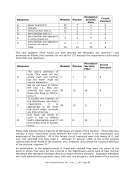
In general, the research results support Matthew‘s descriptions of his fear of the victim. The
intensity of the circumstances surrounding the homicidal act, including the leader‘s
manipulation and the escalation of criminal and police-related activity, created in Matthew a
desire to be away from the group. At the time he felt he had no choice but to do what he
did.
References
Amen, D.G., Stubblefield, M., Carmichael, B., &Thisted, R. (1996). Brain SPECT findings and
aggressiveness. Annals of Clinical Psychiatry, 8, 129-137.
American Psychiatric Association (1994). The diagnostic and statistical manual of mental
disorders (4th ed.). Washington, DC: Author.
Aronoff, J., Lynn, S.J., &Malinoski, P. (2000). Are cultic environments psychologically
harmful? Clinical Psychology Review, 20, 91-111.
Blanchard, E.B., Hickling, E.J., &Taylor, A.E. (1991). The psychophysiology of motor vehicle
accident related posttraumatic stress disorder. Biofeedback and Self-Regulation, 16,
449-458.
Brain, K.L., Haines, J., &Williams, C.L. (1998). The psychophysiology of self-mutilative
behavior: Evidence of tension reduction. Archives of Suicide Research, 4, 227-242.
Chambers, W.V., Langone, M.D., Dole, A.A., &Grice, J.W. (1994). The Group Psychological
Abuse Scale: A measure of the varieties of cultic abuse. Cultic Studies Journal, 11, 88-
117.
Cornell, D.W., &Wilson, L.A. (1992). The PIQVIQ discrepancy in violent and nonviolent
delinquents. Journal of Clinical Psychology, 48, 256-261.
Decker, S.H. (1996). Deviant homicide: A new look at the role of motives and victim-
offender relationships. Journal of Research in Crime and Delinquency, 33, 427-449.
Frasquilho, F., &Oakley, D. (1997). Hypnotizability, dissociation and three factors of eating
behavior. Contemporary Hypnosis, 14, 105-111.
Glading, J., Williams, C.L., &Haines, J. The psychophysiology of acts of murder. Paper
presented at the 1st Forensic Psychology Conference, Sydney, Australia, February, 2001.
Glading, J., Williams, C.L., Haines, J., &Sale, I. Motives for female homicide: A comparison
of situational conflict and chronic abuse. Paper presented at the 21st Annual Congress of
the Australian and New Zealand Association of Psychiatry, Psychology and Law,
Melbourne, Australia, November, 2001.
Haines, J., Josephs, S., Williams, C.L., &Wells, J.H. (1998). The psychophysiology of
obsessive-compulsive disorder. Behavior Change, 15, 244-254.
Haines, J., Williams, C.L., Brain, K.L., &Wilson, G.V. (1995). The psychophysiology of self-
mutilation. Journal of Abnormal Psychology, 104, 471-489.
Haines, J., Williams, C.L., Sale, I., &Glading, J. Fearful problem solving: The influence of
cult activity on subsequent homicidal behavior. Paper presented at the 21st Annual
Congress of the Australian and New Zealand Association of Psychiatry, Psychology and
Law, Melbourne, Australia, November, 2001.
Holmes, G.E., Williams, C.L., &Haines, J. Psychophysiological responses to posttraumatic
imagery following road trauma: A comparison of Posttraumatic Stress Disorder and
Acute Stress Disorder. Paper presented at the 9th World Congress of the International
Organization of Psychophysiology, Taormina, Sicily, Italy, 1998.
Kimbrell, T.A., George, M.S., Parekh, P.I., Ketter, T.A., Podell, D.M., Danielson, A.L., Repella,
J.D., Benson, B.E., Willis, M.W., Herscovitch, P., &Post, R.M. (1999). Regional brain
activity during transient self-induced anxiety and anger in healthy adults. Biological
Psychiatry, 46, 454-465.
Kopelman, M.D., Christensen, H., Puffett, A., &Stanhope, N. (1994). The great escape: A
neuropsychological study of psychogenic amnesia. Neuropsychologia, 32, 675-691.
Koss, M.P., Tromp, S., &Tharan, M. (1995). Traumatic memories: Empirical foundations,
forensic and clinical implications. Clinical Psychology: Science and Practice, 2, 111-132.
In general, the research results support Matthew‘s descriptions of his fear of the victim. The
intensity of the circumstances surrounding the homicidal act, including the leader‘s
manipulation and the escalation of criminal and police-related activity, created in Matthew a
desire to be away from the group. At the time he felt he had no choice but to do what he
did.
References
Amen, D.G., Stubblefield, M., Carmichael, B., &Thisted, R. (1996). Brain SPECT findings and
aggressiveness. Annals of Clinical Psychiatry, 8, 129-137.
American Psychiatric Association (1994). The diagnostic and statistical manual of mental
disorders (4th ed.). Washington, DC: Author.
Aronoff, J., Lynn, S.J., &Malinoski, P. (2000). Are cultic environments psychologically
harmful? Clinical Psychology Review, 20, 91-111.
Blanchard, E.B., Hickling, E.J., &Taylor, A.E. (1991). The psychophysiology of motor vehicle
accident related posttraumatic stress disorder. Biofeedback and Self-Regulation, 16,
449-458.
Brain, K.L., Haines, J., &Williams, C.L. (1998). The psychophysiology of self-mutilative
behavior: Evidence of tension reduction. Archives of Suicide Research, 4, 227-242.
Chambers, W.V., Langone, M.D., Dole, A.A., &Grice, J.W. (1994). The Group Psychological
Abuse Scale: A measure of the varieties of cultic abuse. Cultic Studies Journal, 11, 88-
117.
Cornell, D.W., &Wilson, L.A. (1992). The PIQVIQ discrepancy in violent and nonviolent
delinquents. Journal of Clinical Psychology, 48, 256-261.
Decker, S.H. (1996). Deviant homicide: A new look at the role of motives and victim-
offender relationships. Journal of Research in Crime and Delinquency, 33, 427-449.
Frasquilho, F., &Oakley, D. (1997). Hypnotizability, dissociation and three factors of eating
behavior. Contemporary Hypnosis, 14, 105-111.
Glading, J., Williams, C.L., &Haines, J. The psychophysiology of acts of murder. Paper
presented at the 1st Forensic Psychology Conference, Sydney, Australia, February, 2001.
Glading, J., Williams, C.L., Haines, J., &Sale, I. Motives for female homicide: A comparison
of situational conflict and chronic abuse. Paper presented at the 21st Annual Congress of
the Australian and New Zealand Association of Psychiatry, Psychology and Law,
Melbourne, Australia, November, 2001.
Haines, J., Josephs, S., Williams, C.L., &Wells, J.H. (1998). The psychophysiology of
obsessive-compulsive disorder. Behavior Change, 15, 244-254.
Haines, J., Williams, C.L., Brain, K.L., &Wilson, G.V. (1995). The psychophysiology of self-
mutilation. Journal of Abnormal Psychology, 104, 471-489.
Haines, J., Williams, C.L., Sale, I., &Glading, J. Fearful problem solving: The influence of
cult activity on subsequent homicidal behavior. Paper presented at the 21st Annual
Congress of the Australian and New Zealand Association of Psychiatry, Psychology and
Law, Melbourne, Australia, November, 2001.
Holmes, G.E., Williams, C.L., &Haines, J. Psychophysiological responses to posttraumatic
imagery following road trauma: A comparison of Posttraumatic Stress Disorder and
Acute Stress Disorder. Paper presented at the 9th World Congress of the International
Organization of Psychophysiology, Taormina, Sicily, Italy, 1998.
Kimbrell, T.A., George, M.S., Parekh, P.I., Ketter, T.A., Podell, D.M., Danielson, A.L., Repella,
J.D., Benson, B.E., Willis, M.W., Herscovitch, P., &Post, R.M. (1999). Regional brain
activity during transient self-induced anxiety and anger in healthy adults. Biological
Psychiatry, 46, 454-465.
Kopelman, M.D., Christensen, H., Puffett, A., &Stanhope, N. (1994). The great escape: A
neuropsychological study of psychogenic amnesia. Neuropsychologia, 32, 675-691.
Koss, M.P., Tromp, S., &Tharan, M. (1995). Traumatic memories: Empirical foundations,
forensic and clinical implications. Clinical Psychology: Science and Practice, 2, 111-132.