2 International Journal of Cultic Studies Vol. 4, 2013
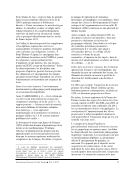
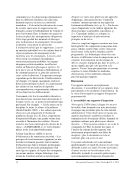
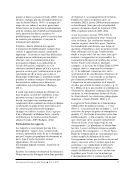
Most investigators appear to agree that
aggression occurs mainly in three different
forms: physical, sexual, and psychological (Slep
&Heyman, 2001), with the understanding that
sexual aggression contains elements of the other
two. However, it deserves differentiation from
the other forms to acknowledge the specific
objective of its action. While physical
aggression appears to be easily delimitable,
defining the scope of psychological aggression
involves some problems. These issues focus
mainly on whether or not, in addition to the
more obvious acts such as threat or humiliation,
psychological aggression covers other actions
that are more subtle (Marshall, 1999), such as
manipulation of information or disregard for the
emotions of the other person. This difficulty in
establishing the limits of nonphysical aggression
may be the major hindrance to obtaining an
agreed definition thereof, and also the primary
contributor to the number of terms used to name
it. In fact, various authors have used
expressions with very similar meanings, such as
psychological abuse (Hoffman, 1984),
psychological aggression, psychological
violence, psychological maltreatment, emotional
maltreatment, emotional abuse (NiCarthy,
1986), nonphysical abuse (Hudson and
McIntosh, 1981), indirect abuse (Gondolf,
1987), verbal abuse (Straus, 1979), mental
abuse, mental torture (Russell, 1982),
psychological manipulation, or moral
harassment. In practice, the nouns aggression,
violence, abuse, or maltreatment have been
combined with the adjectives psychological and
emotional in particular. In conclusion, all these
expressions share their concern for nonphysical
forms of aggression, and the conceptual
difference between them refers mainly to the
more limited scope or, on the contrary, the more
comprehensive scope each shows for
psychological aggression strategies.
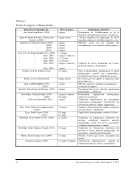
The expression psychological abuse may be
achieving a greater consensus in the scientific
literature, and it has the advantage of allowing
for a comprehensive definition of any
nonphysical abusive behavior, including the
most subtle. Many researchers agree that
psychological abuse is usually as harmful as the
physical or sexual (Egeland &Erickson, 1987
O’Leary, 1999). Recent investigations suggest
that the adverse consequences caused by this
type of violence on the health of those suffering
it are evident even before the occurrence of
physical maltreatment (Follingstad, Rutledge,
Berg, Hause, &Polek, 1990) and its
psychological impact is equal to or greater than
that caused by physical aggression (Henning
&Klesges, 2003 Marshall, 1992 Sackett &
Saunders, 1999 Street &Arias, 2001). Some
researchers have found that most victims judged
humiliation, ridicule, and verbal attacks as more
unpleasant than the physical violence they
experienced (Walker, 1979 Follingstad et al.,
1990), which is also noted in a WHO report
(1998) that states that the worst issue in
maltreatment is not violence itself, but “mental
torture” and “living with fear and [being]
terrified” (p. 7). Sackett and Saunders (1999)
and Marshall (1999) found that the occurrence
of psychological abuse was a better predicting
factor of fear in the victim for future aggression
than the severity of previous physical violence.
In addition, physical or sexual abuse practices
almost always involve psychological abuse of
the victim (Follingstad &DeHart, 2000
Henning &Klesges, 2003 Stets, 1990 Tolman,
1999 Vitanza, Vogel, &Marshall, 1995). To a
large extent, in the case of partner violence,
psychological abuse is usually a significant
precursor of physical violence (Murphy &
O’Leary, 1989 Tolman, 1999), as various
investigations have shown (cited in Echeburúa,
1994). They demonstrate how the gradual
increase of coercive interaction (insults,
devaluation, threats, isolation, etc.) precedes
physical aggression. Many times, the desire to
dominate the other starts with the traditional
forms of influence and persuasion and, when
these fail, the strategies of so-called coercive
power and control start and are extended to other
forms of psychological abuse and sometimes
lead to physical violence. In addition, the
environment of fear and humiliation generated
by physical abuse would enhance the impact of
the use of psychological abuse by the aggressor,
as Shepard and Campbell (1992) confirm. We
also must note that, often, one’s being able to
force another to act as instructed causes one to
have feelings of domination and superiority
(Worchel, Cooper, Goethals, &Olson, 2002).
Most investigators appear to agree that
aggression occurs mainly in three different
forms: physical, sexual, and psychological (Slep
&Heyman, 2001), with the understanding that
sexual aggression contains elements of the other
two. However, it deserves differentiation from
the other forms to acknowledge the specific
objective of its action. While physical
aggression appears to be easily delimitable,
defining the scope of psychological aggression
involves some problems. These issues focus
mainly on whether or not, in addition to the
more obvious acts such as threat or humiliation,
psychological aggression covers other actions
that are more subtle (Marshall, 1999), such as
manipulation of information or disregard for the
emotions of the other person. This difficulty in
establishing the limits of nonphysical aggression
may be the major hindrance to obtaining an
agreed definition thereof, and also the primary
contributor to the number of terms used to name
it. In fact, various authors have used
expressions with very similar meanings, such as
psychological abuse (Hoffman, 1984),
psychological aggression, psychological
violence, psychological maltreatment, emotional
maltreatment, emotional abuse (NiCarthy,
1986), nonphysical abuse (Hudson and
McIntosh, 1981), indirect abuse (Gondolf,
1987), verbal abuse (Straus, 1979), mental
abuse, mental torture (Russell, 1982),
psychological manipulation, or moral
harassment. In practice, the nouns aggression,
violence, abuse, or maltreatment have been
combined with the adjectives psychological and
emotional in particular. In conclusion, all these
expressions share their concern for nonphysical
forms of aggression, and the conceptual
difference between them refers mainly to the
more limited scope or, on the contrary, the more
comprehensive scope each shows for
psychological aggression strategies.
The expression psychological abuse may be
achieving a greater consensus in the scientific
literature, and it has the advantage of allowing
for a comprehensive definition of any
nonphysical abusive behavior, including the
most subtle. Many researchers agree that
psychological abuse is usually as harmful as the
physical or sexual (Egeland &Erickson, 1987
O’Leary, 1999). Recent investigations suggest
that the adverse consequences caused by this
type of violence on the health of those suffering
it are evident even before the occurrence of
physical maltreatment (Follingstad, Rutledge,
Berg, Hause, &Polek, 1990) and its
psychological impact is equal to or greater than
that caused by physical aggression (Henning
&Klesges, 2003 Marshall, 1992 Sackett &
Saunders, 1999 Street &Arias, 2001). Some
researchers have found that most victims judged
humiliation, ridicule, and verbal attacks as more
unpleasant than the physical violence they
experienced (Walker, 1979 Follingstad et al.,
1990), which is also noted in a WHO report
(1998) that states that the worst issue in
maltreatment is not violence itself, but “mental
torture” and “living with fear and [being]
terrified” (p. 7). Sackett and Saunders (1999)
and Marshall (1999) found that the occurrence
of psychological abuse was a better predicting
factor of fear in the victim for future aggression
than the severity of previous physical violence.
In addition, physical or sexual abuse practices
almost always involve psychological abuse of
the victim (Follingstad &DeHart, 2000
Henning &Klesges, 2003 Stets, 1990 Tolman,
1999 Vitanza, Vogel, &Marshall, 1995). To a
large extent, in the case of partner violence,
psychological abuse is usually a significant
precursor of physical violence (Murphy &
O’Leary, 1989 Tolman, 1999), as various
investigations have shown (cited in Echeburúa,
1994). They demonstrate how the gradual
increase of coercive interaction (insults,
devaluation, threats, isolation, etc.) precedes
physical aggression. Many times, the desire to
dominate the other starts with the traditional
forms of influence and persuasion and, when
these fail, the strategies of so-called coercive
power and control start and are extended to other
forms of psychological abuse and sometimes
lead to physical violence. In addition, the
environment of fear and humiliation generated
by physical abuse would enhance the impact of
the use of psychological abuse by the aggressor,
as Shepard and Campbell (1992) confirm. We
also must note that, often, one’s being able to
force another to act as instructed causes one to
have feelings of domination and superiority
(Worchel, Cooper, Goethals, &Olson, 2002).