44 International Journal of Cultic Studies Vol. 4, 2013
Religion, Revisionists, and Revolutionary Suicide: A Marxist Framework for
the Rise and Fall of Communal Religious Groups
Robin D. Willey
University of Alberta, Canada
Abstract
From the Essenes of Qumran to the Peoples
Temple in Jonestown, communal groups have
struggled to exist within the pressures of the
outside world. Much of this struggle is the result
of the radical social, political, and economic
practices that many of these groups engaged
in—practices that if pursued en masse would
threaten the dominant social hierarchies of the
time. Many philosophers, historians, and
theorists have attempted to explain the rise and
fall of these groups. In particular, Karl Marx
and the Marxist revisionists shed a great deal of
light on the rise and fall of communal religious
movements. When compiled, their theories
provide a framework that explains the elements
at play during the development and degradation
of these movements. Marx and the revisionists
explained the connection between these groups
and the dominant social relations of their time.
The theorists explained how these groups
resisted, yet were unable to escape these
relations.
Keywords: Marxism, religion, revisionists,
communalism, Jonestown
From the Essenes of Qumran to the Peoples
Temple in Jonestown, communal groups have
struggled to exist within the pressures of the
outside world.13 Much of this struggle is the
result of the radical social, political, and
economic practices that many of these groups
engaged in—practices that if pursued en masse
would threaten the dominant social hierarchies
of the time. Many philosophers, historians, and
theorists have attempted to explain the rise and
fall of these groups. In particular, Marxists have
13 I presented a version of this paper as “Religion, Revisionists, and
a Marxist Framework for the Rise and Fall of Communalistic
Cults” on July 3, 2010, at the International Cultic Studies
Association Annual Conference in New York, New York.
paid special attention to these radical groups and
developed a far more nuanced understanding of
religion than academics generally credit to them.
Marxist perspectives on religion, however, have
become marginalized in some fields of study.14
Understanding the rise and fall of religious
movements was especially important to
Friedrich Engels and the Marxist revisionists,
such as E. Belfort Bax (1854–1925) and Eduard
Bernstein (1850–1932).15 This interest was
largely the result of the long-standing
connection that these theorists, the latter two in
particular, observed between religion and the
failed development of a socialist revolution.
Consequently, they attempted to understand the
relationship between religion and the social
contexts from which these groups emerge.
Therefore, the work Engels, Bax, and Bernstein
completed on past communal groups can help us
understand some of the reasons behind the
creation and degradation of other contemporary
and historical groups. Furthermore, these
theorists help explain the ways in which certain
religious beliefs left these groups ill-equipped to
deal with the pressure applied on them from the
dominant social forces of the time.
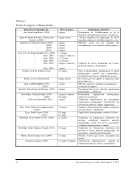
In this article, I first provide a brief description
and history for each group I intend to analyze.
Then I explain the basic premises of Marxist and
Marxist revisionist theories of religion. Next, I
provide a framework developed in light of
Marxist theory on religion. In this framework, I
argue that three stages are present in the rise and
fall of these groups: rebellion, reification, and
14 For example, see Bourdieu, Acts of Resistance, p. 7 Frederick,
“The Marginalization of Critical Perspectives” and Gimmenez,
“What’s Material About Materialist Feminism?” p. 26.
15 Some scholars may include the Marxist philosopher Karl
Kautsky (1854–1938) as a revisionist. I, however, have elected to
exclude him because of his staunch defense of “‘pure’ Marxism”
(Mills, The Marxists, p. 135) and avoidance of any sort of
“revisionist” label (McKown, The Classical Marxist Critiques of
Religion,
p. 124).
Religion, Revisionists, and Revolutionary Suicide: A Marxist Framework for
the Rise and Fall of Communal Religious Groups
Robin D. Willey
University of Alberta, Canada
Abstract
From the Essenes of Qumran to the Peoples
Temple in Jonestown, communal groups have
struggled to exist within the pressures of the
outside world. Much of this struggle is the result
of the radical social, political, and economic
practices that many of these groups engaged
in—practices that if pursued en masse would
threaten the dominant social hierarchies of the
time. Many philosophers, historians, and
theorists have attempted to explain the rise and
fall of these groups. In particular, Karl Marx
and the Marxist revisionists shed a great deal of
light on the rise and fall of communal religious
movements. When compiled, their theories
provide a framework that explains the elements
at play during the development and degradation
of these movements. Marx and the revisionists
explained the connection between these groups
and the dominant social relations of their time.
The theorists explained how these groups
resisted, yet were unable to escape these
relations.
Keywords: Marxism, religion, revisionists,
communalism, Jonestown
From the Essenes of Qumran to the Peoples
Temple in Jonestown, communal groups have
struggled to exist within the pressures of the
outside world.13 Much of this struggle is the
result of the radical social, political, and
economic practices that many of these groups
engaged in—practices that if pursued en masse
would threaten the dominant social hierarchies
of the time. Many philosophers, historians, and
theorists have attempted to explain the rise and
fall of these groups. In particular, Marxists have
13 I presented a version of this paper as “Religion, Revisionists, and
a Marxist Framework for the Rise and Fall of Communalistic
Cults” on July 3, 2010, at the International Cultic Studies
Association Annual Conference in New York, New York.
paid special attention to these radical groups and
developed a far more nuanced understanding of
religion than academics generally credit to them.
Marxist perspectives on religion, however, have
become marginalized in some fields of study.14
Understanding the rise and fall of religious
movements was especially important to
Friedrich Engels and the Marxist revisionists,
such as E. Belfort Bax (1854–1925) and Eduard
Bernstein (1850–1932).15 This interest was
largely the result of the long-standing
connection that these theorists, the latter two in
particular, observed between religion and the
failed development of a socialist revolution.
Consequently, they attempted to understand the
relationship between religion and the social
contexts from which these groups emerge.
Therefore, the work Engels, Bax, and Bernstein
completed on past communal groups can help us
understand some of the reasons behind the
creation and degradation of other contemporary
and historical groups. Furthermore, these
theorists help explain the ways in which certain
religious beliefs left these groups ill-equipped to
deal with the pressure applied on them from the
dominant social forces of the time.
In this article, I first provide a brief description
and history for each group I intend to analyze.
Then I explain the basic premises of Marxist and
Marxist revisionist theories of religion. Next, I
provide a framework developed in light of
Marxist theory on religion. In this framework, I
argue that three stages are present in the rise and
fall of these groups: rebellion, reification, and
14 For example, see Bourdieu, Acts of Resistance, p. 7 Frederick,
“The Marginalization of Critical Perspectives” and Gimmenez,
“What’s Material About Materialist Feminism?” p. 26.
15 Some scholars may include the Marxist philosopher Karl
Kautsky (1854–1938) as a revisionist. I, however, have elected to
exclude him because of his staunch defense of “‘pure’ Marxism”
(Mills, The Marxists, p. 135) and avoidance of any sort of
“revisionist” label (McKown, The Classical Marxist Critiques of
Religion,
p. 124).