16 International Journal of Cultic Studies Vol. 4, 2013
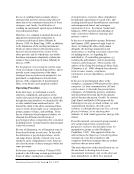
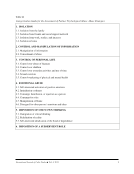
cults: a) excessive devotion to an all-knowing,
charismatic leader who is not accountable to any
authorities this leader claims to be divine or the
direct spokesperson for God and has the mission
to save humanity b) indoctrination in a system
of absolute beliefs c) control and manipulation
of information d) concealment of the group’s
true identity and motives e) some degree of
isolation and control of personal life f)
confusing doctrine g) use of deception, fear,
manipulation of feelings of blame, and
intimidation and, in the most extreme cases
(e.g., OST), h) unethical use of confession,
schedule control, sleep deprivation, and/or use
of physical force to inflict harm, among others
(see Lalich &Langone, 2006 see also Krok,
2009, and Rodríguez-Carballeira et al., 2010, for
discussion).
This paper attempts to show that HUE may be a
cultic group in disguise, exhibiting many of
these characteristics and using unethically
manipulative strategies to influence its
members’ decisions and thoughts, and to alter
their behavior and emotions in order to achieve
its financial aims. In the process, HUE may be
changing members’ habits and lifestyles,
suppressing their individuality and critical
thinking, and affecting their personal identity
and psychological integrity, as frequently
happens in cult environments (Lalich &Tobias,
2006).
The study is based on a qualitative content
analysis of HUE’s primary documents, and on
previous studies that focus on different aspects
of this group these include a study by Jean-
François Mayer (2000) a brief review of the
organization by Jean-Marie Abgrall (2001) a
recent legal case study by Henri de Cordes
(2011) and reports on Mr. Dang’s criminal trial
in Switzerland.
Mayer analyzed this group (under the name of
SHY) from the perspective of millennial studies.
He concluded that HUE “did not exhibit the
features of a group likely to engage in dangerous
actions” and had the potential to grow and
expand (2000, p. 7). Abgrall, in contrast,
examined this organization (under the name of
IHUERI) in the context of New Age groups and
cults that focus on medical concerns, theories,
and techniques. He found it problematic that the
group targeted its recruitment in the medical
field and claimed to cure all diseases he
concluded that if HUE “were satisfied just to
teach spirituality and techniques of personal
growth, no one would object” (2001, p. 180).
On the whole, I find these assessments accurate
and agree with their conclusions namely, that
HUE is not a destructive group and would be
essentially benign if it limited its teachings to
these subjects, and as long as it did this in a way
that is transparent and harmless. However,
judging from de Cordes’ report on Mr. Dang’s
criminal trial in Belgium, the reports on his trial
in Switzerland, and the primary documents
produced by this organization in the past 10
years, these conditions do not seem to be the
case. HUE has changed and evolved, and new
information has become available that demands
a reevaluation of this organization.
In what follows, I discuss my methodology and
sources provide a general overview of HUE’s
background, history, and teaching program
identify the cult-like characteristics found in this
organization and discuss HUE’s potentially
harmful strategies and teachings, as well as
several aspects associated with this group that
may warrant future investigation.
Methodology and Sources
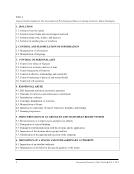
For the purpose of this study, I processed several
of HUE’s primary documents using a qualitative
content analysis according to Philipp Mayring’s
approach (2000). I combined the two methods
of category development prescribed by the
author: deductive and inductive. Applying the
latter, first I identified major themes (e.g.,
religious beliefs and rites, prophesies, esoteric
theories, scientific claims, behavioral
prescriptions, matters of health and well-being,
and so on) and broke them into subcategories.
At this point, themes consistent with the
aforementioned characteristics and persuasive
strategies associated with cultic groups started to
emerge. The subsequent review of research
literature on cults confirmed and expanded these
categories, which I applied to code the texts
according to Mayring‘s step-by-step deductive
method.
cults: a) excessive devotion to an all-knowing,
charismatic leader who is not accountable to any
authorities this leader claims to be divine or the
direct spokesperson for God and has the mission
to save humanity b) indoctrination in a system
of absolute beliefs c) control and manipulation
of information d) concealment of the group’s
true identity and motives e) some degree of
isolation and control of personal life f)
confusing doctrine g) use of deception, fear,
manipulation of feelings of blame, and
intimidation and, in the most extreme cases
(e.g., OST), h) unethical use of confession,
schedule control, sleep deprivation, and/or use
of physical force to inflict harm, among others
(see Lalich &Langone, 2006 see also Krok,
2009, and Rodríguez-Carballeira et al., 2010, for
discussion).
This paper attempts to show that HUE may be a
cultic group in disguise, exhibiting many of
these characteristics and using unethically
manipulative strategies to influence its
members’ decisions and thoughts, and to alter
their behavior and emotions in order to achieve
its financial aims. In the process, HUE may be
changing members’ habits and lifestyles,
suppressing their individuality and critical
thinking, and affecting their personal identity
and psychological integrity, as frequently
happens in cult environments (Lalich &Tobias,
2006).
The study is based on a qualitative content
analysis of HUE’s primary documents, and on
previous studies that focus on different aspects
of this group these include a study by Jean-
François Mayer (2000) a brief review of the
organization by Jean-Marie Abgrall (2001) a
recent legal case study by Henri de Cordes
(2011) and reports on Mr. Dang’s criminal trial
in Switzerland.
Mayer analyzed this group (under the name of
SHY) from the perspective of millennial studies.
He concluded that HUE “did not exhibit the
features of a group likely to engage in dangerous
actions” and had the potential to grow and
expand (2000, p. 7). Abgrall, in contrast,
examined this organization (under the name of
IHUERI) in the context of New Age groups and
cults that focus on medical concerns, theories,
and techniques. He found it problematic that the
group targeted its recruitment in the medical
field and claimed to cure all diseases he
concluded that if HUE “were satisfied just to
teach spirituality and techniques of personal
growth, no one would object” (2001, p. 180).
On the whole, I find these assessments accurate
and agree with their conclusions namely, that
HUE is not a destructive group and would be
essentially benign if it limited its teachings to
these subjects, and as long as it did this in a way
that is transparent and harmless. However,
judging from de Cordes’ report on Mr. Dang’s
criminal trial in Belgium, the reports on his trial
in Switzerland, and the primary documents
produced by this organization in the past 10
years, these conditions do not seem to be the
case. HUE has changed and evolved, and new
information has become available that demands
a reevaluation of this organization.
In what follows, I discuss my methodology and
sources provide a general overview of HUE’s
background, history, and teaching program
identify the cult-like characteristics found in this
organization and discuss HUE’s potentially
harmful strategies and teachings, as well as
several aspects associated with this group that
may warrant future investigation.
Methodology and Sources
For the purpose of this study, I processed several
of HUE’s primary documents using a qualitative
content analysis according to Philipp Mayring’s
approach (2000). I combined the two methods
of category development prescribed by the
author: deductive and inductive. Applying the
latter, first I identified major themes (e.g.,
religious beliefs and rites, prophesies, esoteric
theories, scientific claims, behavioral
prescriptions, matters of health and well-being,
and so on) and broke them into subcategories.
At this point, themes consistent with the
aforementioned characteristics and persuasive
strategies associated with cultic groups started to
emerge. The subsequent review of research
literature on cults confirmed and expanded these
categories, which I applied to code the texts
according to Mayring‘s step-by-step deductive
method.