International Journal of Cultic Studies Vol. 4, 2013 5
the use of combined and systematic abusive
strategies that involves an increasing effect of
abuse due to the continuous interaction of these
strategies and, finally, the difficulties of
reaching an operational, agreed-upon definition
of psychological abuse.
Therefore, it is common to mention the lack of
appropriate measurement instruments to
evaluate psychological abuse (Murphy &
Hoover, 1999 So-Kum Tang, 1998), in addition
to the limitations of the existing instruments,
which are almost always self-reporting and so
based on the information the victims of the
abuse provide, and for which there are doubts
that these instruments adequately evaluate the
extent of the psychological abuse (Murphy &
Hoover, 1999).
For the purpose of reviewing the current status
of the assessment of psychological abuse, and to
provide a new categorization of the abuse
strategies from a psychosocial perspective, we
performed a comprehensive classification
process of the components of psychological
abuse, from which a new proposal resulted.
Operating Procedure
In the first stage, we performed a search,
selection, compilation, and analysis of the
studies about psychological abuse we identified
through the main databases we identified by this
or other similar forms mentioned above. We
limited the study to the above-mentioned three
areas in which abuse might occur: manipulative
groups, partner violence, and mobbing. From
the set of theoretical and empirical studies, we
obtained the different classifications of
psychological abuse components they contained,
including factors or items from the measurement
scales we reviewed.
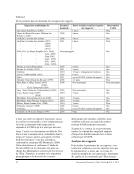
By way of illustration, we will mention some of
these classifications in each area. In line with
the definitions of psychological abuse, which
can range from a specific, reduced view to an
extensive, more comprehensive view, there are
also classifications of abuse strategies within the
same spectrums.
In the area of partner violence, Tolman (1992)
pointed to the following as main psychological
forms of abuse: causing fear, isolation,
monopolization, economic abuse, degradation
having rigid expectations of sexual roles and
creating psychological destabilization, emotional
and interpersonal denial, and contingent
expressions of love. In contrast, Sackett and
Sauncers (1999) reported only ridiculing of
traits, criticisms to behavior, ignoring, and
jealousy–control.
In the area of manipulative groups, Biderman
and Zimmer (1961) proposed eight forms of
abuse: (a) making the other satisfy minor
demands, (b) showing omnipotence and
omniscience, (c) making occasional concessions,
(d) making threats, (e) degrading the
individual(s), (f) controlling perceptions, (g)
isolating the individual(s), and (h) promoting
weakness and exhaustion. More recently, the
authors of the Group Psychological Abuse Scale
(Chambers et al., 1994) obtained four subscales
from its items namely, compliance,
exploitation, anxious dependency, and mind
control.
In the area of psychological abuse at the
workplace, Leymann (1990) proposed five abuse
categories: (a) limit communication, (b) limit
social contact, (c) discredit the person before
colleagues, (d) tarnish the person’s reputation
and discredit professional and work capacity,
and (e) threaten the person’s health. In contrast,
Zapf, Knorf, and Kulla (1996) proposed the
following seven ways to attack victims: (a) with
organizational measures, (b) with social
isolation, (c) through their private lives, (d) with
physical violence, (e) by attacking their
attitudes, (f) with verbal aggression, and (g) with
rumors.
From this material, our research group created a
new categorization from a psychosocial
perspective similar to that used previously for
manipulative groups or cults (Rodríguez-
Carballeira, 1992). This approach allows for
and facilitates the objective of classifying abuse
strategies in a way that is inclusive and
comprises both those strategies that are evident
and those that are more subtle.
The main objectives of this classification are, on
the one hand, to develop from it a new
measurement instrument, and, on the other and
more immediately, to allow for a practical
the use of combined and systematic abusive
strategies that involves an increasing effect of
abuse due to the continuous interaction of these
strategies and, finally, the difficulties of
reaching an operational, agreed-upon definition
of psychological abuse.
Therefore, it is common to mention the lack of
appropriate measurement instruments to
evaluate psychological abuse (Murphy &
Hoover, 1999 So-Kum Tang, 1998), in addition
to the limitations of the existing instruments,
which are almost always self-reporting and so
based on the information the victims of the
abuse provide, and for which there are doubts
that these instruments adequately evaluate the
extent of the psychological abuse (Murphy &
Hoover, 1999).
For the purpose of reviewing the current status
of the assessment of psychological abuse, and to
provide a new categorization of the abuse
strategies from a psychosocial perspective, we
performed a comprehensive classification
process of the components of psychological
abuse, from which a new proposal resulted.
Operating Procedure
In the first stage, we performed a search,
selection, compilation, and analysis of the
studies about psychological abuse we identified
through the main databases we identified by this
or other similar forms mentioned above. We
limited the study to the above-mentioned three
areas in which abuse might occur: manipulative
groups, partner violence, and mobbing. From
the set of theoretical and empirical studies, we
obtained the different classifications of
psychological abuse components they contained,
including factors or items from the measurement
scales we reviewed.
By way of illustration, we will mention some of
these classifications in each area. In line with
the definitions of psychological abuse, which
can range from a specific, reduced view to an
extensive, more comprehensive view, there are
also classifications of abuse strategies within the
same spectrums.
In the area of partner violence, Tolman (1992)
pointed to the following as main psychological
forms of abuse: causing fear, isolation,
monopolization, economic abuse, degradation
having rigid expectations of sexual roles and
creating psychological destabilization, emotional
and interpersonal denial, and contingent
expressions of love. In contrast, Sackett and
Sauncers (1999) reported only ridiculing of
traits, criticisms to behavior, ignoring, and
jealousy–control.
In the area of manipulative groups, Biderman
and Zimmer (1961) proposed eight forms of
abuse: (a) making the other satisfy minor
demands, (b) showing omnipotence and
omniscience, (c) making occasional concessions,
(d) making threats, (e) degrading the
individual(s), (f) controlling perceptions, (g)
isolating the individual(s), and (h) promoting
weakness and exhaustion. More recently, the
authors of the Group Psychological Abuse Scale
(Chambers et al., 1994) obtained four subscales
from its items namely, compliance,
exploitation, anxious dependency, and mind
control.
In the area of psychological abuse at the
workplace, Leymann (1990) proposed five abuse
categories: (a) limit communication, (b) limit
social contact, (c) discredit the person before
colleagues, (d) tarnish the person’s reputation
and discredit professional and work capacity,
and (e) threaten the person’s health. In contrast,
Zapf, Knorf, and Kulla (1996) proposed the
following seven ways to attack victims: (a) with
organizational measures, (b) with social
isolation, (c) through their private lives, (d) with
physical violence, (e) by attacking their
attitudes, (f) with verbal aggression, and (g) with
rumors.
From this material, our research group created a
new categorization from a psychosocial
perspective similar to that used previously for
manipulative groups or cults (Rodríguez-
Carballeira, 1992). This approach allows for
and facilitates the objective of classifying abuse
strategies in a way that is inclusive and
comprises both those strategies that are evident
and those that are more subtle.
The main objectives of this classification are, on
the one hand, to develop from it a new
measurement instrument, and, on the other and
more immediately, to allow for a practical