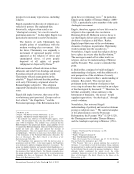
8 International Journal of Cultic Studies Vol. 4, 2013
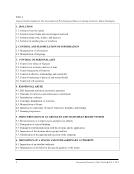
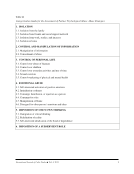
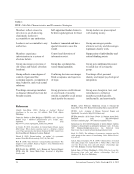
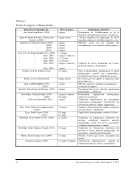
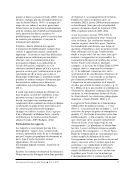
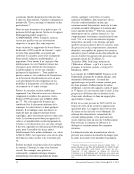
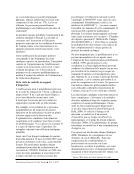
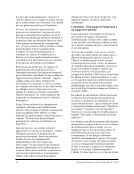
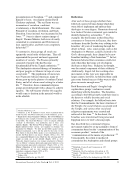
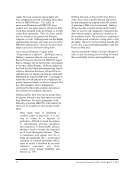
Table I
Categorization Guide for the Assessment of Psychological Abuse in Group Contexts: Abuse Strategies
1. ISOLATION
1.1. Isolation from the family
1.2. Isolation from friends and social support network
1.3. Isolation from work, studies, and interests
1.4. Isolation in another place of residence
2. CONTROL AND MANIPULATION OF INFORMATION
2.1. Manipulation of information
2.2. Manipulation of language
3. CONTROL OF PERSONAL LIFE
3.1. Control over-abuse of finances
3.2. Control over activities and use of time
3.3. Control-inspection of behavior
3.4. Control of affective relationships and sexual life
3.5. Control-weakening of physical and mental health
3.6. Control of self-existence
4. EMOTIONAL ABUSE
4.1. Self-interested activation of positive emotions
4.2. Demands for affective and enthusiastic commitment
4.3. Intimidation or threats
4.4. Contempt, humiliation, or rejection
4.5. Manipulation of blame
4.6. Induction to confessing "deviated” behaviors, thoughts, and feelings
4.7. Granting forgiveness
5. INDOCTRINATION IN AN ABSOLUTE AND MANICHEAN BELIEF SYSTEM
5.1. Reconstruction of a negative past and previous identity
5.2. Denigration of critical thinking
5.3. Demand for full identification with the doctrine and its application
5.4. Imposition of the doctrine above people and law
5.5. Glorification of the ingroup and rejection of the outgroup
6. IMPOSITION OF A SINGLE AND EXTRAORDINARY AUTHORITY
6.1. Imposition of an absolute authority
6.2. Implantation of the belief in the special qualities of the leader
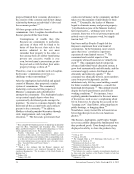
Table I
Categorization Guide for the Assessment of Psychological Abuse in Group Contexts: Abuse Strategies
1. ISOLATION
1.1. Isolation from the family
1.2. Isolation from friends and social support network
1.3. Isolation from work, studies, and interests
1.4. Isolation in another place of residence
2. CONTROL AND MANIPULATION OF INFORMATION
2.1. Manipulation of information
2.2. Manipulation of language
3. CONTROL OF PERSONAL LIFE
3.1. Control over-abuse of finances
3.2. Control over activities and use of time
3.3. Control-inspection of behavior
3.4. Control of affective relationships and sexual life
3.5. Control-weakening of physical and mental health
3.6. Control of self-existence
4. EMOTIONAL ABUSE
4.1. Self-interested activation of positive emotions
4.2. Demands for affective and enthusiastic commitment
4.3. Intimidation or threats
4.4. Contempt, humiliation, or rejection
4.5. Manipulation of blame
4.6. Induction to confessing "deviated” behaviors, thoughts, and feelings
4.7. Granting forgiveness
5. INDOCTRINATION IN AN ABSOLUTE AND MANICHEAN BELIEF SYSTEM
5.1. Reconstruction of a negative past and previous identity
5.2. Denigration of critical thinking
5.3. Demand for full identification with the doctrine and its application
5.4. Imposition of the doctrine above people and law
5.5. Glorification of the ingroup and rejection of the outgroup
6. IMPOSITION OF A SINGLE AND EXTRAORDINARY AUTHORITY
6.1. Imposition of an absolute authority
6.2. Implantation of the belief in the special qualities of the leader