International Journal of Cultic Studies Vol. 4, 2013 23
seminars, he apparently joked about everything.
For instance, he repeatedly joked about having
“bottomless pockets,” meaning that he would
always “give out” to students, people in need,
and charities without question. Students trusted
him implicitly, as one ex-HUE member says:
“We didn’t ask for receipts or invoices, we were
simply amazed by the Master’s joy and
generosity ...but there was perhaps an
embedded message: that we should also have
bottomless pockets and ‘give out’ our money
without thinking” (personal communication,
May 1st 2012). According to this individual,
students’ trust is so complete that “many
members voluntarily give up outside interests
including family, career, and hobbies to devote
their lives to ‘volunteering,’ teaching and
transferring energy.” This behavior is
encouraged by HUE’s discourse of “absolute
freedom,” which refers not only to the freedom
of helping others in their spiritual learning and
development, but also to attaining freedom of
mind, which means freeing one’s will. Mr.
Dang says in this regard, “Don’t change your
decision. Don’t be tied by culture, custom,
books [and] religion. Don’t be worried,
disturbed, concerned or afraid. Don’t be
possessed by fame, ambition, and love” (Luong,
M. D., n.d.). Elsewhere, he explains that
culture, tradition, religion, family, and science
cause suffering and “fear of the truth” (Luong,
M. D., 2007b, p. 26). Additionally, students are
encouraged to transfer energy on every occasion,
and even during physical intimacy—a practice
known as “spirituo-sexual unification” (Luong,
M. D., 2004a, pp. 1–6, English section). This
practice ensures that students’ minds are
continually turned toward Mr. Dang’s program
of spiritual growth. The freeing of the will and
excessive focus on HUE’s program may not
only isolate students from the broader society
but also impair their psychological integration,
which leads to “a chronic and escalating self-
conflict” or the compartmentalization of
“ourselves into discordant mind-pieces.”
(Langone &Clark, 1985, para. 26).
Conclusions and Future Research
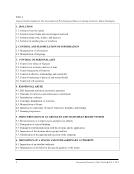
HUE seems to exhibit many of the
characteristics associated with cultic groups
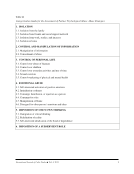
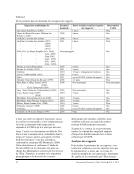
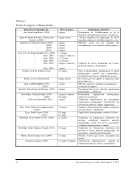
summarized in Table 1.
Even though the group is not totalitarian in its
control of members’ personal life or does not
inflict physical harm on them, other types of
harm seem to be associated with this
organization: social harm (e.g., fraudulent fund-
raising practices and tax evasion), and personal
harm (e.g., financial exploitation and diminished
personal autonomy, psychological integration,
and critical-thinking capacity).
Additionally, this group’s belief system is
eclectic, incorporating elements from multiple
religions and philosophies. Nevertheless, at
higher levels of instruction, religions are
criticized, and veneration to the founder
encouraged to a point that borders on
deification. Mr. Dang’s status seems to be
comparable to that of Jesus and Muhammad, and
perhaps higher than Buddha’s, since his soul has
never reincarnated. The group, however, claims
to be nonreligious and welcomes people from all
denominations, promising health and well-being
through the transfer of energy that has
supposedly been proven by science. These
claims make it very attractive to unsuspecting
people who have no idea of the group’s true
identity and motives.
Further research would be necessary to establish
the degree of HUE’s potential psychological
abuse at different levels of instruction. This
research would need to consider the differences
between HUEFI and HUESA. Both groups still
use the same teaching manuals and Mr. Dang’s
recorded video conferences and lectures in their
respective teaching programs, but they have
created different new lectures/seminars.
Additionally, HUEFI has erased from its
manuals all references to Dasira Narada and its
founder’s false academic titles and awards,
while HUESA has not. The latter may still
encourage students to obtain false academic
titles from OIUCM since it is still affiliated with
this university.
Another line of future research concerns HUE’s
potential degree of abuse in terms of its reliance
on unpaid labor, which may differ in different
countries, and its potentially harmful teachings
regarding issues of health and reliance on its
healing method
seminars, he apparently joked about everything.
For instance, he repeatedly joked about having
“bottomless pockets,” meaning that he would
always “give out” to students, people in need,
and charities without question. Students trusted
him implicitly, as one ex-HUE member says:
“We didn’t ask for receipts or invoices, we were
simply amazed by the Master’s joy and
generosity ...but there was perhaps an
embedded message: that we should also have
bottomless pockets and ‘give out’ our money
without thinking” (personal communication,
May 1st 2012). According to this individual,
students’ trust is so complete that “many
members voluntarily give up outside interests
including family, career, and hobbies to devote
their lives to ‘volunteering,’ teaching and
transferring energy.” This behavior is
encouraged by HUE’s discourse of “absolute
freedom,” which refers not only to the freedom
of helping others in their spiritual learning and
development, but also to attaining freedom of
mind, which means freeing one’s will. Mr.
Dang says in this regard, “Don’t change your
decision. Don’t be tied by culture, custom,
books [and] religion. Don’t be worried,
disturbed, concerned or afraid. Don’t be
possessed by fame, ambition, and love” (Luong,
M. D., n.d.). Elsewhere, he explains that
culture, tradition, religion, family, and science
cause suffering and “fear of the truth” (Luong,
M. D., 2007b, p. 26). Additionally, students are
encouraged to transfer energy on every occasion,
and even during physical intimacy—a practice
known as “spirituo-sexual unification” (Luong,
M. D., 2004a, pp. 1–6, English section). This
practice ensures that students’ minds are
continually turned toward Mr. Dang’s program
of spiritual growth. The freeing of the will and
excessive focus on HUE’s program may not
only isolate students from the broader society
but also impair their psychological integration,
which leads to “a chronic and escalating self-
conflict” or the compartmentalization of
“ourselves into discordant mind-pieces.”
(Langone &Clark, 1985, para. 26).
Conclusions and Future Research
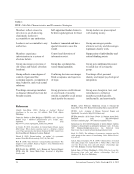
HUE seems to exhibit many of the
characteristics associated with cultic groups
summarized in Table 1.
Even though the group is not totalitarian in its
control of members’ personal life or does not
inflict physical harm on them, other types of
harm seem to be associated with this
organization: social harm (e.g., fraudulent fund-
raising practices and tax evasion), and personal
harm (e.g., financial exploitation and diminished
personal autonomy, psychological integration,
and critical-thinking capacity).
Additionally, this group’s belief system is
eclectic, incorporating elements from multiple
religions and philosophies. Nevertheless, at
higher levels of instruction, religions are
criticized, and veneration to the founder
encouraged to a point that borders on
deification. Mr. Dang’s status seems to be
comparable to that of Jesus and Muhammad, and
perhaps higher than Buddha’s, since his soul has
never reincarnated. The group, however, claims
to be nonreligious and welcomes people from all
denominations, promising health and well-being
through the transfer of energy that has
supposedly been proven by science. These
claims make it very attractive to unsuspecting
people who have no idea of the group’s true
identity and motives.
Further research would be necessary to establish
the degree of HUE’s potential psychological
abuse at different levels of instruction. This
research would need to consider the differences
between HUEFI and HUESA. Both groups still
use the same teaching manuals and Mr. Dang’s
recorded video conferences and lectures in their
respective teaching programs, but they have
created different new lectures/seminars.
Additionally, HUEFI has erased from its
manuals all references to Dasira Narada and its
founder’s false academic titles and awards,
while HUESA has not. The latter may still
encourage students to obtain false academic
titles from OIUCM since it is still affiliated with
this university.
Another line of future research concerns HUE’s
potential degree of abuse in terms of its reliance
on unpaid labor, which may differ in different
countries, and its potentially harmful teachings
regarding issues of health and reliance on its
healing method