76 International Journal of Cultic Studies ■ Vol. 10, 2019
Confluential Trance: Proposal of a New
Concept
For the purposes of this paper, I offer the
hypothesis that interpersonal confluence is a
state of trance (Perls et al., 1951, p. 122), and
that this state can result in the individual
becoming highly suggestible, which in turn
results in him introjecting and giving up control.
Galanter noted that “people are more vulnerable
to social influence when they are made to think,
sense, and feel differently than usual, when
someone or something disrupts their emotional
balance” (Galanter, 1989, p. 65), and so the
individual can lose sight of “the customary
internal signposts” that may be “undermined”
(Galanter, p. 65).
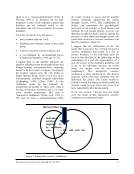
In addition to the trance dynamics set up in
confluence, Cialdini (2007), in his empirical
study of influence, evidences that the six
principles of influence (reciprocation
consistency social proof liking authority and
scarcity), can result in “enormous force” in the
hands of a “compliance professional,” be that in
marketing, advertising, and the like. He applies
these theories to cults and cult leaders (Cialdini,
2007, p. 25) and notes that these principles of
influence can “…produce a distinct kind of
automatic, mindless compliance from people—
that is, a willingness to say yes without thinking
first” (Cialdini, 2007, p. x).
These are powerful forces and, I suggest, as the
individual becomes confluent, introjects, and
loses his contact boundary, he is no longer in
touch with his authentic self he is in a trance he
cannot think for himself and is in an altered
state. I therefore suggest that the trance state is
brought on by the introjective coercive
confluence, and that this state can be referred to
as a confluential trance. In addition, for some,
the spiritual practice—such as repetitive singing,
praying, meditation, chanting, which have been
reported to be further intensified by drugs such
as LSD or MDMA (reported to be used in so-
called therapy group interactions (Wroe,
2009))—results in sometimes-extreme and long-
lasting altered states of consciousness (ASCs),
which may be intensified by the confluential
trance state. The ASCs exacerbate the loss of
contact boundary, as do the introjected beliefs in
the cult leader/guru’s claims of supernatural
power. A number of participants in my research
experienced ASCs, and some suggested they
experienced what they called hypnotic induction
from the cult leader. For example, one
participant believed he saw his leader walk
through a wall, and another saw a “ball of light”
move though the congregation and enter the
leader’s body just before she started
prophesying.
Introjection can be viewed as preventing
individuals from developing their own authentic
identity and evolving their own values—they
become like a stomach full of undigested food or
a house full of someone else’s possessions
(Clarkson &Mackewn, 1993, p. 73). Confluence
undermines their ability to make genuine
contact. They are split internally between their
own authentic desire and the introject (Clarkson
&Mackewn, 1993, p. 73), although in a
thought-reform (for first-generation adults) or
thought-forming (for adult children of cults)
environment, they may suppress their thoughts
and doubts (milieu control Jenkinson, 2016, p.
209) and not even be aware of their authentic
desires, thus exacerbating their trance state. This
condition indicates a traumatizing environment-
field, which may result in dissociation.
Situations that are conducive to high
suggestibility are those in which there are high
levels of dissociation (split) and low levels of
critical thinking (Aguado, 2015, p. 51).
Cult Pseudo Identity
In the confluential-trance state, the personality—
of which there are normally many aspects and
facets, many subpersonalities (Rowan, 1990)—
is therefore restricted and reduced to one aspect,
the cult pseudo identity. As the member cuts off
contact with all she has known, such as family,
friends, career, or educational pursuits, and
dedicates herself to the cult, her life becomes
restricted. This restriction allows for the cult
personality to become predominant, and as the
following comments by research participants
indicate, in these circumstances,
All those different aspects of oneself are
shut down and then the cult
personality/identity, which keeps giving
oneself the negative messages and that
Confluential Trance: Proposal of a New
Concept
For the purposes of this paper, I offer the
hypothesis that interpersonal confluence is a
state of trance (Perls et al., 1951, p. 122), and
that this state can result in the individual
becoming highly suggestible, which in turn
results in him introjecting and giving up control.
Galanter noted that “people are more vulnerable
to social influence when they are made to think,
sense, and feel differently than usual, when
someone or something disrupts their emotional
balance” (Galanter, 1989, p. 65), and so the
individual can lose sight of “the customary
internal signposts” that may be “undermined”
(Galanter, p. 65).
In addition to the trance dynamics set up in
confluence, Cialdini (2007), in his empirical
study of influence, evidences that the six
principles of influence (reciprocation
consistency social proof liking authority and
scarcity), can result in “enormous force” in the
hands of a “compliance professional,” be that in
marketing, advertising, and the like. He applies
these theories to cults and cult leaders (Cialdini,
2007, p. 25) and notes that these principles of
influence can “…produce a distinct kind of
automatic, mindless compliance from people—
that is, a willingness to say yes without thinking
first” (Cialdini, 2007, p. x).
These are powerful forces and, I suggest, as the
individual becomes confluent, introjects, and
loses his contact boundary, he is no longer in
touch with his authentic self he is in a trance he
cannot think for himself and is in an altered
state. I therefore suggest that the trance state is
brought on by the introjective coercive
confluence, and that this state can be referred to
as a confluential trance. In addition, for some,
the spiritual practice—such as repetitive singing,
praying, meditation, chanting, which have been
reported to be further intensified by drugs such
as LSD or MDMA (reported to be used in so-
called therapy group interactions (Wroe,
2009))—results in sometimes-extreme and long-
lasting altered states of consciousness (ASCs),
which may be intensified by the confluential
trance state. The ASCs exacerbate the loss of
contact boundary, as do the introjected beliefs in
the cult leader/guru’s claims of supernatural
power. A number of participants in my research
experienced ASCs, and some suggested they
experienced what they called hypnotic induction
from the cult leader. For example, one
participant believed he saw his leader walk
through a wall, and another saw a “ball of light”
move though the congregation and enter the
leader’s body just before she started
prophesying.
Introjection can be viewed as preventing
individuals from developing their own authentic
identity and evolving their own values—they
become like a stomach full of undigested food or
a house full of someone else’s possessions
(Clarkson &Mackewn, 1993, p. 73). Confluence
undermines their ability to make genuine
contact. They are split internally between their
own authentic desire and the introject (Clarkson
&Mackewn, 1993, p. 73), although in a
thought-reform (for first-generation adults) or
thought-forming (for adult children of cults)
environment, they may suppress their thoughts
and doubts (milieu control Jenkinson, 2016, p.
209) and not even be aware of their authentic
desires, thus exacerbating their trance state. This
condition indicates a traumatizing environment-
field, which may result in dissociation.
Situations that are conducive to high
suggestibility are those in which there are high
levels of dissociation (split) and low levels of
critical thinking (Aguado, 2015, p. 51).
Cult Pseudo Identity
In the confluential-trance state, the personality—
of which there are normally many aspects and
facets, many subpersonalities (Rowan, 1990)—
is therefore restricted and reduced to one aspect,
the cult pseudo identity. As the member cuts off
contact with all she has known, such as family,
friends, career, or educational pursuits, and
dedicates herself to the cult, her life becomes
restricted. This restriction allows for the cult
personality to become predominant, and as the
following comments by research participants
indicate, in these circumstances,
All those different aspects of oneself are
shut down and then the cult
personality/identity, which keeps giving
oneself the negative messages and that