74 International Journal of Cultic Studies ■ Vol. 10, 2019
and physiological responsiveness
(Clarkson, 1999, p. 49)]
When the individual moves away from fulfilling
his natural needs and his ability to self-regulate
and self-actualize, and moves to pleasing others,
he develops a “social character” (Prochaska &
Norcross, 2007, p. 170). That is, he has
transformed his basic, natural existence into
what appears to be genuinely social but is in fact
a “pseudosocial existence” (Prochaska &
Norcross, 2007, p. 170) in which he is not being
his authentic self (Mackewn, 2000, p. 27).
As both a member and a former member, the
individual is, therefore, stuck in the fixed Gestalt
in one part of his personality, no longer
creatively adjusting because the psychological
energy belonging to the authentic self is “bound
or repressed out of awareness” (Clarkson, 1999,
p. 49). This situation leaves room for a pseudo
identification (Perls et. al, 1951), which is not
genuine contact (author’s term) and results in the
development of a cult identity, which is a
pseudosocial identity (referred to as pseudo
identity). This pseudo identity is that part that
has developed in response to the constraints of a
thought-reform environment, and it
superimposes (West &Martin, 1994) or overlays
the precult identity (Jenkinson, 2008 Singer,
2003).
Cases of pseudo-identity observed
among cult victims are often very clear-
cut, classic examples of transformation
through deliberately contrived
situational forces of a normal
individual’s personality into that of a
different person. (West &Martin, 1994,
p. 274)
As part of the intense influence and
change process in many cults, people
take on a new social identity, which may
or may not be obvious to an outsider. [..
.]The group approved behavior is
reinforced and reinterpreted as
demonstrating the emergence of the new
person. Members are expected to
display this new social identity. (Singer,
2003, p. 77)
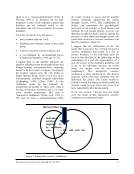
This pseudo identity then takes precedence over
the authentic identity. Research participant
Lindsey likened her introjected cult personality
(Jenkinson, 2008) to a tumor splitting her
personality and blocking contact with her
authentic identity, as quoted in the “Cult Pseudo
Identity” section later in this article. For those
who have joined cults, as the authentic or precult
identity is restricted, it shrinks and their cult
identity expands (Paloutzian, Richardson, &
Rambo, 1999 West &Martin, 1994). I suggest
that these processes are not dissimilar for adult
children of cults (Lalich &McLaren, 2018), who
grow up in an environment where, to one degree
or another, their authentic identity is stifled by
the thought forming environment-field
(Derocher, 2008 Kendall, 2016 Matthews &
Salazar, 2014).
Introjective Coercive Confluence As a New
Term
Introjection is also an interruption to contact and
consists of the individual taking into her system
aspects of the environment field without
assimilating them that is, these aspects do not
become a part of her. Food and chewing are
metaphors for developmental stages for
example, the toothless baby takes in predigested
food but as she develops she begins to chew
over the food, to decide what she likes and what
she does not (Jenkinson, 2008 Perls, Hefferline,
&Goodman, 1951). Continuing the analogy,
when food is properly chewed, digested, and
assimilated, it becomes part of the individual
(Perls et al., 1951). To accomplish this
assimilation, food needs to be “destructured”
and “restructured” for the individual to grow
(Perls &Wysong, 1992, p. 5). When the food
sits undigested in the stomach, it is usual for one
to want to throw it up and get it out of one’s
system. But if the individual suppresses that
desire and keeps it down, the food either poisons
or ends up being painfully digested (Perls &
Wysong, 1992, p. 5). When what one is taught,
such as an ideology, is “swallowed whole
without comprehension,” and “on authority,”
such as a cult leader’s, but used by the
individual “as if it were their own,” it is an
introject (Perls &Wysong, 1992, p. 5). Introjects
are therefore taken in on the basis “of a forced
acceptance,” and the identification with what is
and physiological responsiveness
(Clarkson, 1999, p. 49)]
When the individual moves away from fulfilling
his natural needs and his ability to self-regulate
and self-actualize, and moves to pleasing others,
he develops a “social character” (Prochaska &
Norcross, 2007, p. 170). That is, he has
transformed his basic, natural existence into
what appears to be genuinely social but is in fact
a “pseudosocial existence” (Prochaska &
Norcross, 2007, p. 170) in which he is not being
his authentic self (Mackewn, 2000, p. 27).
As both a member and a former member, the
individual is, therefore, stuck in the fixed Gestalt
in one part of his personality, no longer
creatively adjusting because the psychological
energy belonging to the authentic self is “bound
or repressed out of awareness” (Clarkson, 1999,
p. 49). This situation leaves room for a pseudo
identification (Perls et. al, 1951), which is not
genuine contact (author’s term) and results in the
development of a cult identity, which is a
pseudosocial identity (referred to as pseudo
identity). This pseudo identity is that part that
has developed in response to the constraints of a
thought-reform environment, and it
superimposes (West &Martin, 1994) or overlays
the precult identity (Jenkinson, 2008 Singer,
2003).
Cases of pseudo-identity observed
among cult victims are often very clear-
cut, classic examples of transformation
through deliberately contrived
situational forces of a normal
individual’s personality into that of a
different person. (West &Martin, 1994,
p. 274)
As part of the intense influence and
change process in many cults, people
take on a new social identity, which may
or may not be obvious to an outsider. [..
.]The group approved behavior is
reinforced and reinterpreted as
demonstrating the emergence of the new
person. Members are expected to
display this new social identity. (Singer,
2003, p. 77)
This pseudo identity then takes precedence over
the authentic identity. Research participant
Lindsey likened her introjected cult personality
(Jenkinson, 2008) to a tumor splitting her
personality and blocking contact with her
authentic identity, as quoted in the “Cult Pseudo
Identity” section later in this article. For those
who have joined cults, as the authentic or precult
identity is restricted, it shrinks and their cult
identity expands (Paloutzian, Richardson, &
Rambo, 1999 West &Martin, 1994). I suggest
that these processes are not dissimilar for adult
children of cults (Lalich &McLaren, 2018), who
grow up in an environment where, to one degree
or another, their authentic identity is stifled by
the thought forming environment-field
(Derocher, 2008 Kendall, 2016 Matthews &
Salazar, 2014).
Introjective Coercive Confluence As a New
Term
Introjection is also an interruption to contact and
consists of the individual taking into her system
aspects of the environment field without
assimilating them that is, these aspects do not
become a part of her. Food and chewing are
metaphors for developmental stages for
example, the toothless baby takes in predigested
food but as she develops she begins to chew
over the food, to decide what she likes and what
she does not (Jenkinson, 2008 Perls, Hefferline,
&Goodman, 1951). Continuing the analogy,
when food is properly chewed, digested, and
assimilated, it becomes part of the individual
(Perls et al., 1951). To accomplish this
assimilation, food needs to be “destructured”
and “restructured” for the individual to grow
(Perls &Wysong, 1992, p. 5). When the food
sits undigested in the stomach, it is usual for one
to want to throw it up and get it out of one’s
system. But if the individual suppresses that
desire and keeps it down, the food either poisons
or ends up being painfully digested (Perls &
Wysong, 1992, p. 5). When what one is taught,
such as an ideology, is “swallowed whole
without comprehension,” and “on authority,”
such as a cult leader’s, but used by the
individual “as if it were their own,” it is an
introject (Perls &Wysong, 1992, p. 5). Introjects
are therefore taken in on the basis “of a forced
acceptance,” and the identification with what is