International Journal of Cultic Studies ■ Vol. 10, 2019 13
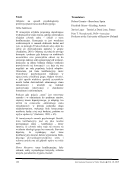
with traumatized children (2nd ed. 126–149). New York, NY:
Guildford.
Singer, M. T. (2003). Cults in our midst: The continuing fight
against their hidden menace. San Francisco, CA: Jossey-Bass.
Singleton, O., Hölzel, B. K., Vangel, M., Brach, N., Carmody, J, &
Lazar, S. W. (2014). Change in brainstem gray matter
concentration following a mindfulness-based intervention is
correlated with improvement in psychological well-being.
Frontiers in Human Neuroscience, 8(33), 1–7.
Stromsted, T. (2009). Authentic movement: A dance with the
divine. Body, Movement, and Dance in Psychotherapy, 4(3), 201–
213.
Tantia, J. F. (2012). Authentic movement and the autonomic
nervous system: A preliminary investigation. American Journal of
Dance Therapy, 34, 53–73.
van der Kolk, B. (2014). The body keeps the score: Brain, mind,
and body in the healing of trauma. New York, NY: Viking.
van der Kolk, B. (2015, June). The body keeps the score.
Conference presented at Vermont Trauma Institute conference,
Colchester, VT.
van der Kolk, B. A., Spinazzola, J., Blaustein, M. E., Hopper, J.
W., Hopper, E. K., Korn, D. L., &Simpson, W. B. (2007). A
randomized clinical trial of eye movement desensitization and
reprocessing (EMDR), fluoxetine, and pill placebo in the treatment
of posttraumatic stress disorder: Treatment effects and long-term
maintenance. Journal of Clinical Psychiatry, 68(1), 37–46.
Ward, D. J. (2011). The lived experience of spiritual abuse. Mental
Health, Religion &Culture, 14(9), 899–915.
Webber, J. &Mascari, J. B. (2008). Sand tray therapy and the
healing process in trauma and grief counseling. Based on a
program presented at the ACA Annual Conference &Exhibition,
Honolulu, HI. Retrieved from
http://counselingoutfitters.com/vistas/vistas08/Webber.htm
Wolfe, J. (2011). Music therapy and the treatment of abuse [Video
file]. Retrieved from http://www.wellspringretreat.org/index.php/
resources/videos
About the Author
Rachel Oblak, MA, earned her Master’s in
Clinical Mental Health Counseling from Antioch
University New England and is a nationally
certified counselor through the National Board
for Certified Counselors. She is working toward
licensure in Vermont, where she owns a private
practice. She has experience working with
depression, anxiety, sexuality and gender
identity, hearing voices, trauma, cult survivors,
transitioning adults, grief, and emerging young
adults. She also works with individuals on job
burnout and wellness issues.
She originally wrote this article as part of a
supervised independent study while attending
Antioch for her master’s degree.
Correspondence concerning the article should be
directed to Rachel Oblak, 8031 Williston Rd.
Suite 2, Williston, VT 05495. Contact:
roblak@antioch.edu
with traumatized children (2nd ed. 126–149). New York, NY:
Guildford.
Singer, M. T. (2003). Cults in our midst: The continuing fight
against their hidden menace. San Francisco, CA: Jossey-Bass.
Singleton, O., Hölzel, B. K., Vangel, M., Brach, N., Carmody, J, &
Lazar, S. W. (2014). Change in brainstem gray matter
concentration following a mindfulness-based intervention is
correlated with improvement in psychological well-being.
Frontiers in Human Neuroscience, 8(33), 1–7.
Stromsted, T. (2009). Authentic movement: A dance with the
divine. Body, Movement, and Dance in Psychotherapy, 4(3), 201–
213.
Tantia, J. F. (2012). Authentic movement and the autonomic
nervous system: A preliminary investigation. American Journal of
Dance Therapy, 34, 53–73.
van der Kolk, B. (2014). The body keeps the score: Brain, mind,
and body in the healing of trauma. New York, NY: Viking.
van der Kolk, B. (2015, June). The body keeps the score.
Conference presented at Vermont Trauma Institute conference,
Colchester, VT.
van der Kolk, B. A., Spinazzola, J., Blaustein, M. E., Hopper, J.
W., Hopper, E. K., Korn, D. L., &Simpson, W. B. (2007). A
randomized clinical trial of eye movement desensitization and
reprocessing (EMDR), fluoxetine, and pill placebo in the treatment
of posttraumatic stress disorder: Treatment effects and long-term
maintenance. Journal of Clinical Psychiatry, 68(1), 37–46.
Ward, D. J. (2011). The lived experience of spiritual abuse. Mental
Health, Religion &Culture, 14(9), 899–915.
Webber, J. &Mascari, J. B. (2008). Sand tray therapy and the
healing process in trauma and grief counseling. Based on a
program presented at the ACA Annual Conference &Exhibition,
Honolulu, HI. Retrieved from
http://counselingoutfitters.com/vistas/vistas08/Webber.htm
Wolfe, J. (2011). Music therapy and the treatment of abuse [Video
file]. Retrieved from http://www.wellspringretreat.org/index.php/
resources/videos
About the Author
Rachel Oblak, MA, earned her Master’s in
Clinical Mental Health Counseling from Antioch
University New England and is a nationally
certified counselor through the National Board
for Certified Counselors. She is working toward
licensure in Vermont, where she owns a private
practice. She has experience working with
depression, anxiety, sexuality and gender
identity, hearing voices, trauma, cult survivors,
transitioning adults, grief, and emerging young
adults. She also works with individuals on job
burnout and wellness issues.
She originally wrote this article as part of a
supervised independent study while attending
Antioch for her master’s degree.
Correspondence concerning the article should be
directed to Rachel Oblak, 8031 Williston Rd.
Suite 2, Williston, VT 05495. Contact:
roblak@antioch.edu