Cultic Studies Journal, Vol. 11, No. 1, 1994, Page 67
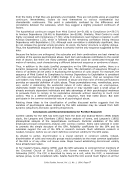
from the items in that they are generally uncorrelated. They are not points along an essential
continuum. Nevertheless, factors do lend themselves to various nonessential but
characteristic continuums. This point is potentially confused by the differences and
correlations between the subscales, which may suggest a slightly prevalent continuum of
factors.
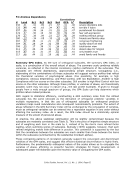
The hypothetical continuum ranges from Mind Control (m=31.66) to Compliance (m=29.27)
to Anxious Dependency (26.48) to Exploitation (m=22.88). Similarly, Mind Control is most
highly correlated with Compliance (r=.36) while Compliance‟s next highest correlation is with
Anxious Dependency (.33), which is followed by the remaining correlation linking Anxious
Dependency with Exploitation (.19). Although each correlation is statistically significant, they
do not collapse the general simple structure. At worst, the factor structure is slightly oblique.
Thus, the hypothetical sequence of factors is certainly not the only sequence suggested by the
data.
Because the factors are orthogonal, the subscales and their combinations are best viewed as
varieties of the species psychological abuse. Each item and subscale contributes to the overall
level of abuse but there are many potential paths that could be constructed through the
matrix of varieties, each characterizing a different behavioral sequence or syndrome of abuse.
Thus, in addition to the static (profile) perspective on the GPA discussed earlier, there is a
dynamic (sequence) perspective that one can take. The delineation of sequences through a
matrix of varieties can be useful in explicating the dynamics of cultic abuse. For example, the
sequence of Mind Control to Compliance to Anxious Dependency to Exploitation is consistent
with Dole and Dubrow-Eichel‟s (1985) findings. It is vital, however, that we recognize that
cult leaders may freely conjugate the varieties of abuse and that none of these permutations
provides an essential definition of cultic abuse. These permutations may, nonetheless, prove
very useful in elaborating the existential nature of cultic abuse. Thus, an unscrupulous,
charismatic leader may follow the sequence above or may stumble upon a small group of
already anxiously dependent individuals and take advantage of their psychological weakness
to persuade them to comply to his exploitative demands without resorting to much mind
control. This is a different permutation, or sequence, from that listed above. But both
participate in the common existential nature of psychological abuse.
Relating these ideas to the classification of profiles discussed earlier suggests that the
varieties of psychological abuse implied by the GPA subscales may be viewed from both
dynamic (sequence) and static (profile) perspectives.
Conclusions and Recommendations for Further Research
Content validity for the GPA has been built from the Dole and Dubrow-Eichel (1985) Delphi
study, the Langone and Chambers (1991) factor analysis of terms, and Langone‟s (1992)
philosophical analysis of the respect/abuse continuum. Factorial validation of the GPA
employed principal components analysis with varimax rotation. Items were selected in order
to promote the simple structure of the GPA. Reliability coefficients for the GPA and its
subscales support the use of the GPA in research contexts. Much additional research is
needed, however, before we can claim definitive construct validity for the GPA scales.
As alluded to earlier, discrimination is a crucial element in construct validity. Indeed,
discrimination of cultic and noncultic groups would probably be the most common application
of the GPA or of any other cult abuse scale. Steps toward establishing discriminant validity
have already been taken.
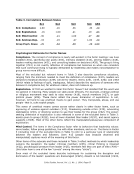
In her master‟s thesis, Adams (1993) used the GPA subscales to contrast former members of
the Cincinnati Church of Christ (CCC) with former members of InterVarsity Christian
Fellowship (IVCF). The CCC is described by many as a cult, while the IVCF, a mainstream
campus group, is not considered cultic. Adams found the CCC scored much higher on all four
from the items in that they are generally uncorrelated. They are not points along an essential
continuum. Nevertheless, factors do lend themselves to various nonessential but
characteristic continuums. This point is potentially confused by the differences and
correlations between the subscales, which may suggest a slightly prevalent continuum of
factors.
The hypothetical continuum ranges from Mind Control (m=31.66) to Compliance (m=29.27)
to Anxious Dependency (26.48) to Exploitation (m=22.88). Similarly, Mind Control is most
highly correlated with Compliance (r=.36) while Compliance‟s next highest correlation is with
Anxious Dependency (.33), which is followed by the remaining correlation linking Anxious
Dependency with Exploitation (.19). Although each correlation is statistically significant, they
do not collapse the general simple structure. At worst, the factor structure is slightly oblique.
Thus, the hypothetical sequence of factors is certainly not the only sequence suggested by the
data.
Because the factors are orthogonal, the subscales and their combinations are best viewed as
varieties of the species psychological abuse. Each item and subscale contributes to the overall
level of abuse but there are many potential paths that could be constructed through the
matrix of varieties, each characterizing a different behavioral sequence or syndrome of abuse.
Thus, in addition to the static (profile) perspective on the GPA discussed earlier, there is a
dynamic (sequence) perspective that one can take. The delineation of sequences through a
matrix of varieties can be useful in explicating the dynamics of cultic abuse. For example, the
sequence of Mind Control to Compliance to Anxious Dependency to Exploitation is consistent
with Dole and Dubrow-Eichel‟s (1985) findings. It is vital, however, that we recognize that
cult leaders may freely conjugate the varieties of abuse and that none of these permutations
provides an essential definition of cultic abuse. These permutations may, nonetheless, prove
very useful in elaborating the existential nature of cultic abuse. Thus, an unscrupulous,
charismatic leader may follow the sequence above or may stumble upon a small group of
already anxiously dependent individuals and take advantage of their psychological weakness
to persuade them to comply to his exploitative demands without resorting to much mind
control. This is a different permutation, or sequence, from that listed above. But both
participate in the common existential nature of psychological abuse.
Relating these ideas to the classification of profiles discussed earlier suggests that the
varieties of psychological abuse implied by the GPA subscales may be viewed from both
dynamic (sequence) and static (profile) perspectives.
Conclusions and Recommendations for Further Research
Content validity for the GPA has been built from the Dole and Dubrow-Eichel (1985) Delphi
study, the Langone and Chambers (1991) factor analysis of terms, and Langone‟s (1992)
philosophical analysis of the respect/abuse continuum. Factorial validation of the GPA
employed principal components analysis with varimax rotation. Items were selected in order
to promote the simple structure of the GPA. Reliability coefficients for the GPA and its
subscales support the use of the GPA in research contexts. Much additional research is
needed, however, before we can claim definitive construct validity for the GPA scales.
As alluded to earlier, discrimination is a crucial element in construct validity. Indeed,
discrimination of cultic and noncultic groups would probably be the most common application
of the GPA or of any other cult abuse scale. Steps toward establishing discriminant validity
have already been taken.
In her master‟s thesis, Adams (1993) used the GPA subscales to contrast former members of
the Cincinnati Church of Christ (CCC) with former members of InterVarsity Christian
Fellowship (IVCF). The CCC is described by many as a cult, while the IVCF, a mainstream
campus group, is not considered cultic. Adams found the CCC scored much higher on all four