Cultic Studies Journal, Vol. 11, No. 1, 1994, Page 36
The Experience of the SPES Foundation:
Some Remarks on the Different Attitudes
Toward New Religious Movements
in Argentina and in Europe
José María Baamonde, Ph.D.
SPES Foundation
Buenos Aires, Argentina
Abstract
Cults appear to be as active in Argentina as in most European countries. At the end
of 1992, 2,986 distinct religious movements had been registered with the Ministry of
Cults and Foreign Affairs. Although “cult” has a less pejorative connotation in
Argentina than in the United States, many of these registered groups are probably
cults according to the usual definition of the term in the United States. The SPES
Foundation (Servicio Para el Esclarecimiento en Sectas) is a professional organization
founded to help deal with this problem. In 1992 the SPES Foundation responded to
1,745 inquiries. Argentina‟s cult situation differs from that of Europe in three ways.
First, in Argentina large numbers of “Pentecostal” groups are so psychologically
manipulative that they can be considered cults. Second, Argentina has had an influx
of Afro-Brazilian cults not seen in Europe. And third, in Argentina there is much less
understanding of the problem and more reluctance to take concrete action against it.
As far as the cult phenomenon or the New Religious Movements (NRMs) are concerned,
Argentina is no different from any other developed country in the First World. Our country not
only has been importing groups with cult characteristics for years, but also it already has the
sad privilege of becoming one more exporter of them, with movements such as La Comunidad
(The Community) and New Acropolis. Many of these groups also have political aspirations and
already have a certain degree of influence in various European countries.
The Reality of the Cult Phenomenon in Argentina1
Some figures illuminate the reality of the cult phenomenon in Argentina: At the end of 1992,
2,986 distinct religious movements had been registered with the Ministry of Cults and Foreign
Affairs. Of these, only 2% are associated with classic or traditional religions. Of those regis-
tered, 382 correspond to diverse spiritual cults 387 to different cults of Afro-Brazilian origin
and 1,790 to evangelical Christian cults, of which approximately 90% are of the “Pentecostal”
type.
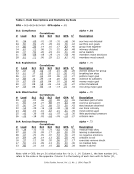
In 1979 a national law (Law No. 21745) required the re-registration of previously registered
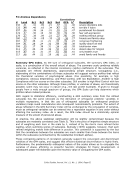
movements. From 1981 to 1990 the average registration was 185 cults per year. The yearly
registration was as follows:
1 In Spanish the word cult does not have the derogatory connotation that it sometimes has in English. It often
connotes the English “sect.”
The Experience of the SPES Foundation:
Some Remarks on the Different Attitudes
Toward New Religious Movements
in Argentina and in Europe
José María Baamonde, Ph.D.
SPES Foundation
Buenos Aires, Argentina
Abstract
Cults appear to be as active in Argentina as in most European countries. At the end
of 1992, 2,986 distinct religious movements had been registered with the Ministry of
Cults and Foreign Affairs. Although “cult” has a less pejorative connotation in
Argentina than in the United States, many of these registered groups are probably
cults according to the usual definition of the term in the United States. The SPES
Foundation (Servicio Para el Esclarecimiento en Sectas) is a professional organization
founded to help deal with this problem. In 1992 the SPES Foundation responded to
1,745 inquiries. Argentina‟s cult situation differs from that of Europe in three ways.
First, in Argentina large numbers of “Pentecostal” groups are so psychologically
manipulative that they can be considered cults. Second, Argentina has had an influx
of Afro-Brazilian cults not seen in Europe. And third, in Argentina there is much less
understanding of the problem and more reluctance to take concrete action against it.
As far as the cult phenomenon or the New Religious Movements (NRMs) are concerned,
Argentina is no different from any other developed country in the First World. Our country not
only has been importing groups with cult characteristics for years, but also it already has the
sad privilege of becoming one more exporter of them, with movements such as La Comunidad
(The Community) and New Acropolis. Many of these groups also have political aspirations and
already have a certain degree of influence in various European countries.
The Reality of the Cult Phenomenon in Argentina1
Some figures illuminate the reality of the cult phenomenon in Argentina: At the end of 1992,
2,986 distinct religious movements had been registered with the Ministry of Cults and Foreign
Affairs. Of these, only 2% are associated with classic or traditional religions. Of those regis-
tered, 382 correspond to diverse spiritual cults 387 to different cults of Afro-Brazilian origin
and 1,790 to evangelical Christian cults, of which approximately 90% are of the “Pentecostal”
type.
In 1979 a national law (Law No. 21745) required the re-registration of previously registered
movements. From 1981 to 1990 the average registration was 185 cults per year. The yearly
registration was as follows:
1 In Spanish the word cult does not have the derogatory connotation that it sometimes has in English. It often
connotes the English “sect.”