Cultic Studies Journal, Vol. 11, No. 1, 1994, Page 60
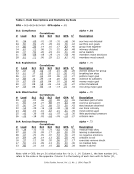
etc.--the mathematical abstraction). Columns 3-6 are the correlations of the item with the
four scales (the 7 concrete items constituting the scale). Column 7, h, is the communality,
that is, the proportion of variance the four factors account for with respect to an individual
item. Column 8 is the abbreviated description of the item.
Discussion
Psychometric Rationale and Implications
Because the Cultic Studies Journal is multidisciplinary rather than a strictly psychological
journal, and because this article reports on a study that is technically complex, we have
chosen in this section to elaborate on the psychometric rationale for the development of the
four subscales and the composite GPA index. We hope that readers unfamiliar with the
technical aspects of the study might thereby better understand the methods, results, and
implications--including theoretical implications to be discussed further in another paper.
As noted earlier, factor analysis distills the various numerical patterns characterizing items
that are analyzed. Uncorrelated variances between items cancel one another as each factor is
derived, leaving principal themes or factors. These factors are mathematical abstractions.
Naming each factor requires a parallel cognitive, or psychological, abstraction (to be discussed
further in another section). In looking for the common theme among the items that load
highest on a factor, the analyst tries to distill the essence of that factor. Since loadings are
correlations between the items and the abstract factor, they point to meanings that the items
share with the factor. The higher the loading, the more the item contributes to the meaning of
the factor.
Typically, factor analysis produces, as with the GPA, several factors composed of a number of
items. When each item loads on only one factor, the data is said to manifest simple structure
(Thurstone, 1947). This is the ideal of factor analysis. When a particular item loads highly on
more than one factor, the item is considered to be complex, rather than simple. Such items
are constructions (rather than abstractions) because they unite the orthogonal (independent)
features of the factors on which they load. These complex items are rich in meaning and can
aid in factor interpretation. Often they reflect syndromatic combinations of factors that
characterize the dynamics of nature‟s concrete and psychological events. The psychometric
unreliabilities of individual complex items, however, make them less useful than combinations
of orthogonal subscales in illuminating syndromes because subscales, being composed of
numerous items, are more reliable than individual items.
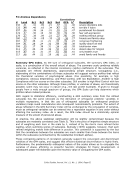
Table 2 (below) includes complex items excluded from the scales because of pronounced lack
of simple structure. Also included are abbreviations of these items, major factor loadings,
scale correlations, and communalities. Table 2 reflects the relevance of the subscales, for as
abstract as they may be, they in combination give meaning to the relatively unreliable,
complex items that lack simple structure. In other words, they illuminate the construct
validity of psychological abuse by revealing permutations of abuse.
For example, item #224, --devotes all free time to group,? loads substantially on factor 1
(Compliance) and on factor 2 (Exploitation). This item suggests the outcome of compliance to
an exploitative leader. Items #231, --confess sins and limitations,-- loads on the Compliance
and Mind Control factors, suggesting both a demand for confession and abasement
(Compliance) and the use of confession and abasement in mind control strategies. Item #231
may also be interpreted to reflect a syndrome, such as the cult of confession, as described by
Lifton (1961). These kinds of interpretations are rather speculative, however, because the
meaning of the constructional items is obscured by brevity of expression and measurement
errors. A more useful approach, which we have followed in this article, is to begin with simple
abstractions (i.e., items loading on only one factor) and build up from these to complex
constructions (i.e., combinations of factors or items loading on more than one factor).
etc.--the mathematical abstraction). Columns 3-6 are the correlations of the item with the
four scales (the 7 concrete items constituting the scale). Column 7, h, is the communality,
that is, the proportion of variance the four factors account for with respect to an individual
item. Column 8 is the abbreviated description of the item.
Discussion
Psychometric Rationale and Implications
Because the Cultic Studies Journal is multidisciplinary rather than a strictly psychological
journal, and because this article reports on a study that is technically complex, we have
chosen in this section to elaborate on the psychometric rationale for the development of the
four subscales and the composite GPA index. We hope that readers unfamiliar with the
technical aspects of the study might thereby better understand the methods, results, and
implications--including theoretical implications to be discussed further in another paper.
As noted earlier, factor analysis distills the various numerical patterns characterizing items
that are analyzed. Uncorrelated variances between items cancel one another as each factor is
derived, leaving principal themes or factors. These factors are mathematical abstractions.
Naming each factor requires a parallel cognitive, or psychological, abstraction (to be discussed
further in another section). In looking for the common theme among the items that load
highest on a factor, the analyst tries to distill the essence of that factor. Since loadings are
correlations between the items and the abstract factor, they point to meanings that the items
share with the factor. The higher the loading, the more the item contributes to the meaning of
the factor.
Typically, factor analysis produces, as with the GPA, several factors composed of a number of
items. When each item loads on only one factor, the data is said to manifest simple structure
(Thurstone, 1947). This is the ideal of factor analysis. When a particular item loads highly on
more than one factor, the item is considered to be complex, rather than simple. Such items
are constructions (rather than abstractions) because they unite the orthogonal (independent)
features of the factors on which they load. These complex items are rich in meaning and can
aid in factor interpretation. Often they reflect syndromatic combinations of factors that
characterize the dynamics of nature‟s concrete and psychological events. The psychometric
unreliabilities of individual complex items, however, make them less useful than combinations
of orthogonal subscales in illuminating syndromes because subscales, being composed of
numerous items, are more reliable than individual items.
Table 2 (below) includes complex items excluded from the scales because of pronounced lack
of simple structure. Also included are abbreviations of these items, major factor loadings,
scale correlations, and communalities. Table 2 reflects the relevance of the subscales, for as
abstract as they may be, they in combination give meaning to the relatively unreliable,
complex items that lack simple structure. In other words, they illuminate the construct
validity of psychological abuse by revealing permutations of abuse.
For example, item #224, --devotes all free time to group,? loads substantially on factor 1
(Compliance) and on factor 2 (Exploitation). This item suggests the outcome of compliance to
an exploitative leader. Items #231, --confess sins and limitations,-- loads on the Compliance
and Mind Control factors, suggesting both a demand for confession and abasement
(Compliance) and the use of confession and abasement in mind control strategies. Item #231
may also be interpreted to reflect a syndrome, such as the cult of confession, as described by
Lifton (1961). These kinds of interpretations are rather speculative, however, because the
meaning of the constructional items is obscured by brevity of expression and measurement
errors. A more useful approach, which we have followed in this article, is to begin with simple
abstractions (i.e., items loading on only one factor) and build up from these to complex
constructions (i.e., combinations of factors or items loading on more than one factor).