Cultic Studies Journal, Vol. 11, No. 1, 1994, Page 66
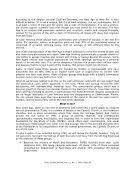
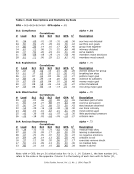
Sc2: Exploitation
Sc2 22.96 5.91 .352 7-35 Exploitation
(3.28 0.84 .050 1-5)
02 2.00 1.21 .076 1-5 women seduce for group
03 3.48 1.37 .085 1-5 breaking law okay
06 3.10 1.53 .095 1-5 politics major goal
12 2.69 1.40 .087 1-5 violence to outsiders
19 3.81 1.41 .088 1-5 money major goal
20 3.62 1.22 .076 1-5 critics threatened
27 4.38 1.06 .066 1-5 recruiting major goal
Sc3: Mind Control
Sc3 31.64 3.43 .202 21-35 Mind Control
(4.52 0.49 .029 3-5)
09 4.86 0.36 .024 2-5 members part of elite
11 4.52 0.81 .051 1-5 coercive persuasion
15 4.56 0.67 .042 2-5 stay because deceived
R22 4.55 0.78 .049 1-5 can think critically
24 4.61 0.67 .042 1-5 mind control used
R25 4.32 1.02 .064 1-5 little psychological pressure
R26 4.19 1.14 .071 1-5 criticism rare
Sc4: Anxious Dependency
Sc4 26.52 5.55 .326 8-35 Anxious Dependency
(3.79 0.79 .046 1.1-5)
05 3.39 1.21 .075 1-5 medical help okay
07 4.03 1.26 .079 1-5 leaving is damnation
08 4.24 1.08 .067 1-5 no negative emotions
10 4.06 1.33 .083 1-5 criticism is evil
16 3.71 1.52 .095 1-5 exercises remove doubt
17 2.99 1.34 .084 1-5 no medical help
23 4.07 1.28 .080 1-5 leader is divine
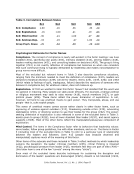
The Compliance scale mean was next highest: m=29.27 its 95% range was 28.66 to 29.87.
The Mind Control scale produced the highest mean: m=31.66 its 95% range was 31.26 to
32.07.
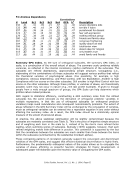
Consideration of the means and ranges for the specific items listed in Table 4 suggests that
most but not all of the item means were above the midpoint of 3. As a group, the cults did not
have women seducing for them (m=2.00) and did not advocate violence against outsiders
(m=2.69). The factor analysis loadings, however, indicate that groups that advocate these
items did tend to score higher on the general factor of exploitation.
The loadings reflect the meaning of the factor at all levels. Seduction may be rare in general,
but it nonetheless falls into the pattern of exploitation. Thus, the fact that 2 of the 28 items
were not generally characteristic of the cults does not invalidate the factorial meaningfulness
of the two items. We would expect the more extremely exploitative groups to encourage
seduction and violence.
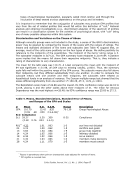
The notion of a continuum of abuse, as discussed for the items, may also be of relevance to
the subscale means but with a very important difference. The ANOVA showed that the
subscale means differed significantly from one another. The subscales, however, are different
Sc2: Exploitation
Sc2 22.96 5.91 .352 7-35 Exploitation
(3.28 0.84 .050 1-5)
02 2.00 1.21 .076 1-5 women seduce for group
03 3.48 1.37 .085 1-5 breaking law okay
06 3.10 1.53 .095 1-5 politics major goal
12 2.69 1.40 .087 1-5 violence to outsiders
19 3.81 1.41 .088 1-5 money major goal
20 3.62 1.22 .076 1-5 critics threatened
27 4.38 1.06 .066 1-5 recruiting major goal
Sc3: Mind Control
Sc3 31.64 3.43 .202 21-35 Mind Control
(4.52 0.49 .029 3-5)
09 4.86 0.36 .024 2-5 members part of elite
11 4.52 0.81 .051 1-5 coercive persuasion
15 4.56 0.67 .042 2-5 stay because deceived
R22 4.55 0.78 .049 1-5 can think critically
24 4.61 0.67 .042 1-5 mind control used
R25 4.32 1.02 .064 1-5 little psychological pressure
R26 4.19 1.14 .071 1-5 criticism rare
Sc4: Anxious Dependency
Sc4 26.52 5.55 .326 8-35 Anxious Dependency
(3.79 0.79 .046 1.1-5)
05 3.39 1.21 .075 1-5 medical help okay
07 4.03 1.26 .079 1-5 leaving is damnation
08 4.24 1.08 .067 1-5 no negative emotions
10 4.06 1.33 .083 1-5 criticism is evil
16 3.71 1.52 .095 1-5 exercises remove doubt
17 2.99 1.34 .084 1-5 no medical help
23 4.07 1.28 .080 1-5 leader is divine
The Compliance scale mean was next highest: m=29.27 its 95% range was 28.66 to 29.87.
The Mind Control scale produced the highest mean: m=31.66 its 95% range was 31.26 to
32.07.
Consideration of the means and ranges for the specific items listed in Table 4 suggests that
most but not all of the item means were above the midpoint of 3. As a group, the cults did not
have women seducing for them (m=2.00) and did not advocate violence against outsiders
(m=2.69). The factor analysis loadings, however, indicate that groups that advocate these
items did tend to score higher on the general factor of exploitation.
The loadings reflect the meaning of the factor at all levels. Seduction may be rare in general,
but it nonetheless falls into the pattern of exploitation. Thus, the fact that 2 of the 28 items
were not generally characteristic of the cults does not invalidate the factorial meaningfulness
of the two items. We would expect the more extremely exploitative groups to encourage
seduction and violence.
The notion of a continuum of abuse, as discussed for the items, may also be of relevance to
the subscale means but with a very important difference. The ANOVA showed that the
subscale means differed significantly from one another. The subscales, however, are different