Cultic Studies Journal, Vol. 11, No. 1, 1994, Page 38
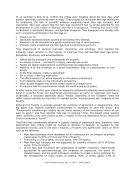
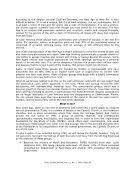
Documentation: This department‟s purpose is to gather all existing materials on the
topic of cults, and to put this information at the disposal of those persons or institutions
that desire to research the phenomenon.
Press and Publication: This department‟s purpose is to establish contact with the
many avenues of social communication for campaigns of preventive education, and to
publish specialized literature and educational material in various formats (print, audio,
and video).
Training: This department‟s purpose is to organize speeches, conferences, round
tables, seminars, and so forth, in schools, institutes, universities, churches, and other
venues, from an introductory and general point of view, as well as from specialized
perspectives for specific disciplines (e.g., legal, psychological, educational).
Technical Assistance: This department‟s purpose is to concern itself with the areas of
legal assistance, psychological support, and social service all offer counseling and
support to members, former members, and families. This department also researches
the cult phenomenon from its respective disciplines.
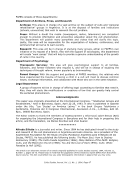
Studying this topic in an institutionalized manner became a true challenge that on more than
one occasion threatened the SPES Foundation‟s capacity to respond.
During 1992 alone, the SPES Foundation responded to 1,745 different inquiries 10% of these
were of foreign origin. The Department of Training held 307 conferences and courses in
various institutions. The Department of Press and Publication participated in 178 different
forums of communication, and, at the same time, published three books and four catalogues
and produced a preventive video which has been shown in cinemas throughout the country.
Finally, the Department of Technical Assistance handled the cases of 532 individuals, many of
whom are now under treatment.
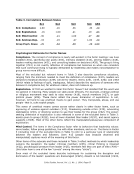
The increase in the activities of the SPES Foundation has been important, as can be observed
in the following chart:
Department 1990 1991 1992 Totals
Documenta
tion
(inquiries)
118 1,019 1,745 2,882
Press and
Publication
9 68 178 255
Training
(confer-
ences,
courses)
22 247 307 576
Technical
Assistance
(cases)
17 393 532 942
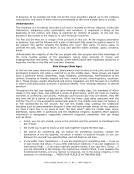
Differences Between Argentina and European Countries
Concerning the New Religious Movements
With respect to the cult phenomenon or NRMs, I believe that there are three fundamental
differences between our country and those in Europe. The first two relate to movements that
acquire particular characteristics in our country --namely, the evangelical-pentecostal groups
Documentation: This department‟s purpose is to gather all existing materials on the
topic of cults, and to put this information at the disposal of those persons or institutions
that desire to research the phenomenon.
Press and Publication: This department‟s purpose is to establish contact with the
many avenues of social communication for campaigns of preventive education, and to
publish specialized literature and educational material in various formats (print, audio,
and video).
Training: This department‟s purpose is to organize speeches, conferences, round
tables, seminars, and so forth, in schools, institutes, universities, churches, and other
venues, from an introductory and general point of view, as well as from specialized
perspectives for specific disciplines (e.g., legal, psychological, educational).
Technical Assistance: This department‟s purpose is to concern itself with the areas of
legal assistance, psychological support, and social service all offer counseling and
support to members, former members, and families. This department also researches
the cult phenomenon from its respective disciplines.
Studying this topic in an institutionalized manner became a true challenge that on more than
one occasion threatened the SPES Foundation‟s capacity to respond.
During 1992 alone, the SPES Foundation responded to 1,745 different inquiries 10% of these
were of foreign origin. The Department of Training held 307 conferences and courses in
various institutions. The Department of Press and Publication participated in 178 different
forums of communication, and, at the same time, published three books and four catalogues
and produced a preventive video which has been shown in cinemas throughout the country.
Finally, the Department of Technical Assistance handled the cases of 532 individuals, many of
whom are now under treatment.
The increase in the activities of the SPES Foundation has been important, as can be observed
in the following chart:
Department 1990 1991 1992 Totals
Documenta
tion
(inquiries)
118 1,019 1,745 2,882
Press and
Publication
9 68 178 255
Training
(confer-
ences,
courses)
22 247 307 576
Technical
Assistance
(cases)
17 393 532 942
Differences Between Argentina and European Countries
Concerning the New Religious Movements
With respect to the cult phenomenon or NRMs, I believe that there are three fundamental
differences between our country and those in Europe. The first two relate to movements that
acquire particular characteristics in our country --namely, the evangelical-pentecostal groups