Cultic Studies Journal, Vol. 11, No. 1, 1994, Page 63
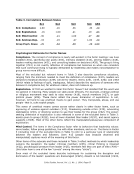
Table 3. Correlations Between Scales
Sc1 Sc2 Sc3 Sc4 GPA
Sc1: Compliance 1.00 .16 .36 .33 .70
Sc2: Exploitation .16 1.00 .21 .19 .63
Sc3: Mind Control .36 .21 1.00 .27 .59
Sc4: Anxious Dep. .33 .19 .27 1.00 .70
Group Psych. Abuse .70 .63 .59 .70 1.00
Psychological Rationale for Factor Names
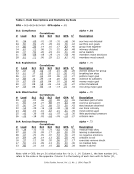
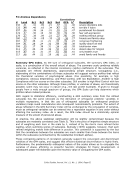
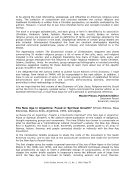
Compliance. The concept of compliance is nearly self-evident in the factor loadings: sex lives
dictated (#01), sacrificing own goals (#04), intimacy dictated (#14), serving leaders (#18),
leaders making decisions (#21), and consulting leaders on decisions (#28). The group‟s living
together (#13) is not overtly reflective of compliance but becomes so when one considers
that such communal living is typically demanded by leadership and makes noncompliance to
group norms more difficult.
Most of the excluded but relevant items in Table 3 also describe compliance situations,
ranging from the minimum needed to meet the definition of compliance (#275, leaders are
obeyed) to fanatical devotion (#235, will die for leader). Items #231, #249, #262, and #263
(which relate to feelings of guilt, inadequacy, failure) describe the reactions of someone who
believes in compliance but, for whatever reason, does not measure up.
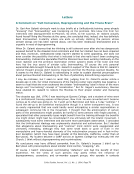
Exploitation. At first we wanted to label this factor ?power? but decided that the word was
too general in meaning. Many people can seek power ethically. For example, a benign political
or religious movement may seek to raise money (#19), recruit members (#27), or gain
political power (#06). These items reflect the power dimension of exploitation. A cult,
however, will tend to use unethical means to gain power. They manipulate, abuse, and use
people--that is, cults exploit people.
This sense of unethical means comes across rather clearly in other factor items, such as
approving of violence against outsiders (#12), threatening outside critics (#20), advocating
lawbreaking (#03), or directing women to use their bodies for the group (#02). The power-
seeking dimension of exploitation is also reflected in some of the excluded items in Table 3:
assets given to group (#222), lives at lower standard than leader (#237), and secret agency
supports (#305). Most of the other items reflect the manipulation/abuse/use component of
exploitation.
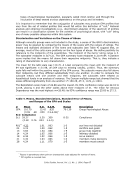
Mind Control. The items in the Compliance factor refer to behaviors that leadership values:
serve leader, follow group guidelines, live with other members, and so on. The items in Factor
3 (including most of the excluded items in Table 3) refer to a particular type of relationship
between the leaders and followers. Item #15 (people stay because deceived and
manipulated) captures much of the meaning of this factor.
Other items of the subscale and those included in Table 3 reflect methods by which leadership
sustains the deception: the leader criticizes members (#26), critical thinking is impaired
(#22), psychological pressure from leader (#25), members feel they are part of elite (#09)--
(this latter item is one of the few “carrots” among the many “sticks”).
Even most of the excluded items describe techniques for sustaining the deception and
dominance of the leader: questions are discouraged (#225), dissent is not tolerated (#243,
Table 3. Correlations Between Scales
Sc1 Sc2 Sc3 Sc4 GPA
Sc1: Compliance 1.00 .16 .36 .33 .70
Sc2: Exploitation .16 1.00 .21 .19 .63
Sc3: Mind Control .36 .21 1.00 .27 .59
Sc4: Anxious Dep. .33 .19 .27 1.00 .70
Group Psych. Abuse .70 .63 .59 .70 1.00
Psychological Rationale for Factor Names
Compliance. The concept of compliance is nearly self-evident in the factor loadings: sex lives
dictated (#01), sacrificing own goals (#04), intimacy dictated (#14), serving leaders (#18),
leaders making decisions (#21), and consulting leaders on decisions (#28). The group‟s living
together (#13) is not overtly reflective of compliance but becomes so when one considers
that such communal living is typically demanded by leadership and makes noncompliance to
group norms more difficult.
Most of the excluded but relevant items in Table 3 also describe compliance situations,
ranging from the minimum needed to meet the definition of compliance (#275, leaders are
obeyed) to fanatical devotion (#235, will die for leader). Items #231, #249, #262, and #263
(which relate to feelings of guilt, inadequacy, failure) describe the reactions of someone who
believes in compliance but, for whatever reason, does not measure up.
Exploitation. At first we wanted to label this factor ?power? but decided that the word was
too general in meaning. Many people can seek power ethically. For example, a benign political
or religious movement may seek to raise money (#19), recruit members (#27), or gain
political power (#06). These items reflect the power dimension of exploitation. A cult,
however, will tend to use unethical means to gain power. They manipulate, abuse, and use
people--that is, cults exploit people.
This sense of unethical means comes across rather clearly in other factor items, such as
approving of violence against outsiders (#12), threatening outside critics (#20), advocating
lawbreaking (#03), or directing women to use their bodies for the group (#02). The power-
seeking dimension of exploitation is also reflected in some of the excluded items in Table 3:
assets given to group (#222), lives at lower standard than leader (#237), and secret agency
supports (#305). Most of the other items reflect the manipulation/abuse/use component of
exploitation.
Mind Control. The items in the Compliance factor refer to behaviors that leadership values:
serve leader, follow group guidelines, live with other members, and so on. The items in Factor
3 (including most of the excluded items in Table 3) refer to a particular type of relationship
between the leaders and followers. Item #15 (people stay because deceived and
manipulated) captures much of the meaning of this factor.
Other items of the subscale and those included in Table 3 reflect methods by which leadership
sustains the deception: the leader criticizes members (#26), critical thinking is impaired
(#22), psychological pressure from leader (#25), members feel they are part of elite (#09)--
(this latter item is one of the few “carrots” among the many “sticks”).
Even most of the excluded items describe techniques for sustaining the deception and
dominance of the leader: questions are discouraged (#225), dissent is not tolerated (#243,