Cultic Studies Journal, Vol. 11, No. 1, 1994, Page 62
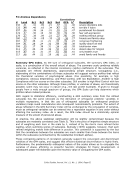
F4: Anxious Dependency
Correlations
#Load Sc1 Sc2 Sc3 Sc4 GPA h2 Description
232 .41 .41 .09 .21 .37 .41 .40 severe discipline kids
233 .44 .46 .18 .34 .47 .55 .45 terrible if leave
257 .56 .38 .16 .31 .55 .53 .47 punishment for dissent
274 .37 .30 .10 .30 .36 .39 .30 fear self-expression
278 .37 .38 .09 .23 .37 .40 .29 nothing without group
280 -.37 -.34 -.05 -.33 -.33 -.38 .27 friends and family okay
297 .32 .36 .11 .21 .35 .39 .22 nongroup frightening
304 .41 .28 .24 .32 .44 .48 .38 loyalty above all else
306 .35 .17 .36 .31 .34 .45 .28 totalitarian view
311 .45 .36 .43 .32 .50 .62 .51 deceit okay for religion
315 .47 .31 .31 .37 .51 .56 .41 only leaders true
317 .46 .44 .21 .19 .46 .51 .44 avoid family and friends
Summary GPA Index. As the sum of orthogonal subscales, the summary GPA index, or
scale, is a construction of the overall extent of abuse. The summary scale combines reliable
variances, as reflected in the internal consistency (alpha) coefficients of the subscales. The
subscales are refined abstractions, approximating simple structure. Conjugating (i.e.,
elaborating all the combinations of) these subscales will suggest various profiles that reflect
the theoretical varieties of psychological abuse. One possibility, for example, is high
Compliance, Anxious Dependency, and Mind Control, with low Exploitation. Another is high
Compliance with low scores on the other subscales. Still another is high Mind Control with low
scores on the other subscales. Although these profiles, or varieties of abuse, are theoretically
possible, some may not occur in nature (e.g., the last profile example). If given to enough
people from a wide enough spectrum of groups, the GPA Scale can help determine which
profiles nature indeed produces.
With regard to statistical efficiency, constructing a GPA summary scale from the refined
subscales has the same rationale as the derivation of orthogonal predictor variables in
multiple regressions, in that the use of orthogonal subscales (or orthogonal predictor
variables) helps avoid redundancies and consequent noncollinearity problems. The extent of
abuse reflected in the GPA Summary Index will be unchanged by the conjugation of varieties,
much as orthogonal variables can be entered into a regression equation in any order without
affecting the summary index. As a result, the GPA index should be a statistically optimal
measure of the extent of perceived abuse.
In practice, the above statistical optimization will be slightly compromised because the
subscales are modestly correlated (see Table 3). This is the price of imperfect simple structure
and of weighting each item in the scale by 1, instead of by the item‟s more refined factor
loading, when summing scores of subscales. Nunnally (1978) suggests, however, that such
refined weighting makes little difference in practice. This contention is supported by the fact
that the correlations between the subscales are much smaller than those between the items
within the subscales (summarized by the substantial Cronbach alphas).
These contrasting patterns of correlation generally support the convergent and discriminant
validities of the GPA scales, and suggest that efficient statistical discrimination is highly likely.
Furthermore, the predominantly orthogonal nature of the scales allows us to conjugate the
varieties of abuse, affording us powerful heuristic strategies for theory development. A
subsequent paper will elaborate upon the heuristic value of conjugating the GPA scales.
F4: Anxious Dependency
Correlations
#Load Sc1 Sc2 Sc3 Sc4 GPA h2 Description
232 .41 .41 .09 .21 .37 .41 .40 severe discipline kids
233 .44 .46 .18 .34 .47 .55 .45 terrible if leave
257 .56 .38 .16 .31 .55 .53 .47 punishment for dissent
274 .37 .30 .10 .30 .36 .39 .30 fear self-expression
278 .37 .38 .09 .23 .37 .40 .29 nothing without group
280 -.37 -.34 -.05 -.33 -.33 -.38 .27 friends and family okay
297 .32 .36 .11 .21 .35 .39 .22 nongroup frightening
304 .41 .28 .24 .32 .44 .48 .38 loyalty above all else
306 .35 .17 .36 .31 .34 .45 .28 totalitarian view
311 .45 .36 .43 .32 .50 .62 .51 deceit okay for religion
315 .47 .31 .31 .37 .51 .56 .41 only leaders true
317 .46 .44 .21 .19 .46 .51 .44 avoid family and friends
Summary GPA Index. As the sum of orthogonal subscales, the summary GPA index, or
scale, is a construction of the overall extent of abuse. The summary scale combines reliable
variances, as reflected in the internal consistency (alpha) coefficients of the subscales. The
subscales are refined abstractions, approximating simple structure. Conjugating (i.e.,
elaborating all the combinations of) these subscales will suggest various profiles that reflect
the theoretical varieties of psychological abuse. One possibility, for example, is high
Compliance, Anxious Dependency, and Mind Control, with low Exploitation. Another is high
Compliance with low scores on the other subscales. Still another is high Mind Control with low
scores on the other subscales. Although these profiles, or varieties of abuse, are theoretically
possible, some may not occur in nature (e.g., the last profile example). If given to enough
people from a wide enough spectrum of groups, the GPA Scale can help determine which
profiles nature indeed produces.
With regard to statistical efficiency, constructing a GPA summary scale from the refined
subscales has the same rationale as the derivation of orthogonal predictor variables in
multiple regressions, in that the use of orthogonal subscales (or orthogonal predictor
variables) helps avoid redundancies and consequent noncollinearity problems. The extent of
abuse reflected in the GPA Summary Index will be unchanged by the conjugation of varieties,
much as orthogonal variables can be entered into a regression equation in any order without
affecting the summary index. As a result, the GPA index should be a statistically optimal
measure of the extent of perceived abuse.
In practice, the above statistical optimization will be slightly compromised because the
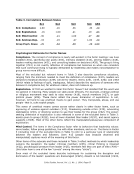
subscales are modestly correlated (see Table 3). This is the price of imperfect simple structure
and of weighting each item in the scale by 1, instead of by the item‟s more refined factor
loading, when summing scores of subscales. Nunnally (1978) suggests, however, that such
refined weighting makes little difference in practice. This contention is supported by the fact
that the correlations between the subscales are much smaller than those between the items
within the subscales (summarized by the substantial Cronbach alphas).
These contrasting patterns of correlation generally support the convergent and discriminant
validities of the GPA scales, and suggest that efficient statistical discrimination is highly likely.
Furthermore, the predominantly orthogonal nature of the scales allows us to conjugate the
varieties of abuse, affording us powerful heuristic strategies for theory development. A
subsequent paper will elaborate upon the heuristic value of conjugating the GPA scales.