Cultic Studies Journal, Vol. 6, No. 1, 1989, Page 78
Letters
Confessions of a “Cult” Watcher:
An Alternative Point of View
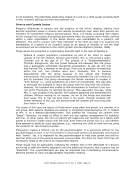
In 1988, the Cultic Studies Journal (Vol. 5, No. 1, 132-135) reprinted an essay by Ronald
Enroth, entitled “Confessions of a Cult Watcher.” Enroth is a Christian sociologist at
Westmont College. He has been very active in criticizing the beliefs and practices of “cults” or
minority religious groups. He calls himself a “cult watcher” who has been criticized for
aligning himself with the so-called “anti-cult” movement. The essay states his position that
he does not think it possible to achieve a value-free sociology. He concludes that
determinations of the truth or falsity of the tenents of these groups are vital for the
presentation of orthodoxy. He opines that the Christian scholar has an obligation to affirm
the core beliefs of Christian faith. He notes that a number of secular and religious scholars
disagree with his approach. He is appalled that they have not joined him in active
opposition to these minority religious groups.
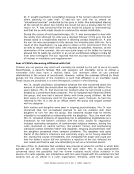
I am one of those who disagrees with Enroth. In fact, he mentions me by name two times in
his essay. In the spirit of fairness I would like to state why I, a Christian psychologist similar
to Enroth in religious commitment, have reached drastically different conclusions about
these matters.
First of all, the Christian faith needs no defense. The absolute right of religious belief and
practice is a constitutional freedom in our society that both Christian and secular scholars
should defend no matter whether these be expressed in Presbyterianism or Moonieism.
Although many religious beliefs and practices may be strange and even excessive, being
different is no crime --in fact being different is a protected right.
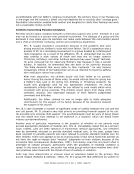
Thus, the truth of the Christian faith does not need preservation by attacks on other
religions which are framed in sociological or psychological terms. This does not mean
that I think that violations of civil and criminal law do not occur in religious groups, old or
new. The freedom of religion noted above does not protect a religion from the law of the
land. However, I am convinced that so called “cults” have a right to exist and that they are
innocent until proven guilty. I feel sure that, while the readers of Cultic Studies Journal
might disagree with much that I have said, they would agree that where sociologists and
psychologists are asked to testify in cases where religions are being accused of
transgressions, they should only do so with the widely standardized procedures of their
discipline and should not present themselves as experts if they have made prior
judgments about the guilt or innocence of the accused group.
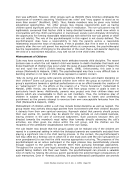
Again, taking these positions that there are guaranteed rights of religious beliefs and
practices, that religious groups do sometimes violate civil and criminal law, that religious
groups, like individuals, are innocent until proven guilty, and that social/behavioral
scientists should be unbiased in their expert testimony does not mean that I, as a
Christian, do not evaluate the beliefs of other religions. I do. But, I do this as a believer --
not as a psychologist. I do not intentionally or consciously mix these roles.
In my opinion, to combine my evaluation of the beliefs and practices of the newer religions
with my psychological evaluation would confuse the issue and would expose me to the
judgment that my professional testimony in court was a personal value judgment
disguised in scientific jargon. Such opinions have been handed down by judges in more
than one case where anti-cult social behavioral scientists have testified. I am sure this was
Letters
Confessions of a “Cult” Watcher:
An Alternative Point of View
In 1988, the Cultic Studies Journal (Vol. 5, No. 1, 132-135) reprinted an essay by Ronald
Enroth, entitled “Confessions of a Cult Watcher.” Enroth is a Christian sociologist at
Westmont College. He has been very active in criticizing the beliefs and practices of “cults” or
minority religious groups. He calls himself a “cult watcher” who has been criticized for
aligning himself with the so-called “anti-cult” movement. The essay states his position that
he does not think it possible to achieve a value-free sociology. He concludes that
determinations of the truth or falsity of the tenents of these groups are vital for the
presentation of orthodoxy. He opines that the Christian scholar has an obligation to affirm
the core beliefs of Christian faith. He notes that a number of secular and religious scholars
disagree with his approach. He is appalled that they have not joined him in active
opposition to these minority religious groups.
I am one of those who disagrees with Enroth. In fact, he mentions me by name two times in
his essay. In the spirit of fairness I would like to state why I, a Christian psychologist similar
to Enroth in religious commitment, have reached drastically different conclusions about
these matters.
First of all, the Christian faith needs no defense. The absolute right of religious belief and
practice is a constitutional freedom in our society that both Christian and secular scholars
should defend no matter whether these be expressed in Presbyterianism or Moonieism.
Although many religious beliefs and practices may be strange and even excessive, being
different is no crime --in fact being different is a protected right.
Thus, the truth of the Christian faith does not need preservation by attacks on other
religions which are framed in sociological or psychological terms. This does not mean
that I think that violations of civil and criminal law do not occur in religious groups, old or
new. The freedom of religion noted above does not protect a religion from the law of the
land. However, I am convinced that so called “cults” have a right to exist and that they are
innocent until proven guilty. I feel sure that, while the readers of Cultic Studies Journal
might disagree with much that I have said, they would agree that where sociologists and
psychologists are asked to testify in cases where religions are being accused of
transgressions, they should only do so with the widely standardized procedures of their
discipline and should not present themselves as experts if they have made prior
judgments about the guilt or innocence of the accused group.
Again, taking these positions that there are guaranteed rights of religious beliefs and
practices, that religious groups do sometimes violate civil and criminal law, that religious
groups, like individuals, are innocent until proven guilty, and that social/behavioral
scientists should be unbiased in their expert testimony does not mean that I, as a
Christian, do not evaluate the beliefs of other religions. I do. But, I do this as a believer --
not as a psychologist. I do not intentionally or consciously mix these roles.
In my opinion, to combine my evaluation of the beliefs and practices of the newer religions
with my psychological evaluation would confuse the issue and would expose me to the
judgment that my professional testimony in court was a personal value judgment
disguised in scientific jargon. Such opinions have been handed down by judges in more
than one case where anti-cult social behavioral scientists have testified. I am sure this was