Cultic Studies Journal, Vol. 6, No. 1, 1989, Page 33
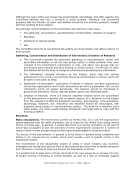
In the course of its work the Committee encountered various difficulties arising from the
limited resources at its disposal, the inherent problems of certain research topics in the
field, and difficulties involved with the special nature of the subject under investigation.
While gathering the information, an attempt was made to collect the most diversified
material possible (as regards its sources and nature), although the Committee was unable
and never intended to cover everything existing on the subject. The material gathered
includes studies, reports of investigative commissions or inquiries abroad, law reports, press
clips (investigative reports, interviews, news items, readers‟ letters etc.) from Israel and
abroad, as well as writings, documents, and publications of the groups themselves.
Considering the close ties between the groups in Israel and the international organizations
to which they belong, the Committee attached particular importance to the information
amassed abroad which was brought before it.
There were special difficulties in the gathering and examination of local, up-to-date data
that were dependent on sources associated with the groups themselves. Witnesses feared
exposure, and access to activities and meetings of the groups, as well as their documents,
was occasionally obstructed. Cooperation of most of the groups‟ leaders was only partial,
and some even refused to appear before the Committee (for example, Scientology). Others
(Emin, Transcendental Meditation, and est, though the latter initially refused) cooperated,
making extensive, although carefully edited, presentations of their own viewpoint.
Despite the limitations mentioned above the Committee believes that the abundance of
material and testimonies examined by it enabled it to deal adequately, if not exhaustively,
with the central issues relevant to a pluralistic, democratic society.
Some of the material presented before the Committee is reflected in Appendix A of this
report the space devoted in Appendix A to the various groups does not necessarily indicate
the extent of the material gathered about any individual group nor the degree of attention
paid to any specific group in the Committee‟s discussions. The information which appears in
the appendixed material relates to reports, studies, and testimonies gathered by the
Committee, as well as to the Committee‟s contacts with various groups. The background
material does not provide complete and comprehensive information about any specific
group and is presented only to illuminate and to illustrate the conclusions. Not every detail
or interpretation appearing in it reflects the position of the Committee.
Conclusion
Preface
The Committee focused on the question whether the ideology and the practices of the new
groups reviewed clearly revealed values inconsistent with the core value system that unites
democratic pluralism and preserves its existence. In addition, it discussed appropriate
governmental responses for dealing with this phenomenon. Although the Committee
discussed each group individually and examined the combination of disquieting factors
distinctive to each one, it was decided that in the conclusions, an attempt would be made to
expose, as much as possible, a representative range of those factors from all the groups
reviewed and without reference to any specific group.
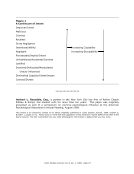
The Committee isolated five areas in which most of the disquieting factors could be found:
a) health b) consumerism c) the relationship between the individual and society d) tolerance
and democratic values e) economic activity. The conclusions presented in this chapter
relate to these areas.
It should be noted that not all the disquieting factors are present in each group. The
intention of these conclusions is to draw attention to phenomena, which, if present in
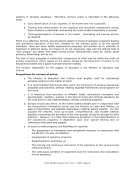
In the course of its work the Committee encountered various difficulties arising from the
limited resources at its disposal, the inherent problems of certain research topics in the
field, and difficulties involved with the special nature of the subject under investigation.
While gathering the information, an attempt was made to collect the most diversified
material possible (as regards its sources and nature), although the Committee was unable
and never intended to cover everything existing on the subject. The material gathered
includes studies, reports of investigative commissions or inquiries abroad, law reports, press
clips (investigative reports, interviews, news items, readers‟ letters etc.) from Israel and
abroad, as well as writings, documents, and publications of the groups themselves.
Considering the close ties between the groups in Israel and the international organizations
to which they belong, the Committee attached particular importance to the information
amassed abroad which was brought before it.
There were special difficulties in the gathering and examination of local, up-to-date data
that were dependent on sources associated with the groups themselves. Witnesses feared
exposure, and access to activities and meetings of the groups, as well as their documents,
was occasionally obstructed. Cooperation of most of the groups‟ leaders was only partial,
and some even refused to appear before the Committee (for example, Scientology). Others
(Emin, Transcendental Meditation, and est, though the latter initially refused) cooperated,
making extensive, although carefully edited, presentations of their own viewpoint.
Despite the limitations mentioned above the Committee believes that the abundance of
material and testimonies examined by it enabled it to deal adequately, if not exhaustively,
with the central issues relevant to a pluralistic, democratic society.
Some of the material presented before the Committee is reflected in Appendix A of this
report the space devoted in Appendix A to the various groups does not necessarily indicate
the extent of the material gathered about any individual group nor the degree of attention
paid to any specific group in the Committee‟s discussions. The information which appears in
the appendixed material relates to reports, studies, and testimonies gathered by the
Committee, as well as to the Committee‟s contacts with various groups. The background
material does not provide complete and comprehensive information about any specific
group and is presented only to illuminate and to illustrate the conclusions. Not every detail
or interpretation appearing in it reflects the position of the Committee.
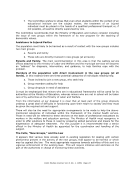
Conclusion
Preface
The Committee focused on the question whether the ideology and the practices of the new
groups reviewed clearly revealed values inconsistent with the core value system that unites
democratic pluralism and preserves its existence. In addition, it discussed appropriate
governmental responses for dealing with this phenomenon. Although the Committee
discussed each group individually and examined the combination of disquieting factors
distinctive to each one, it was decided that in the conclusions, an attempt would be made to
expose, as much as possible, a representative range of those factors from all the groups
reviewed and without reference to any specific group.
The Committee isolated five areas in which most of the disquieting factors could be found:
a) health b) consumerism c) the relationship between the individual and society d) tolerance
and democratic values e) economic activity. The conclusions presented in this chapter
relate to these areas.
It should be noted that not all the disquieting factors are present in each group. The
intention of these conclusions is to draw attention to phenomena, which, if present in