Cultic Studies Journal, Vol. 6, No. 1, 1989, Page 13
3. Influencers should give paramount consideration to the personal change goals of
influencees.
4. Influencers should respect the rationality of influencees and avoid emotional
manipulations.
5. Influencers should exercise special caution when influencees are highly stressed, as such
a state of mind can diminish influencees‟ rationality, independence, and self-awareness.
6. Influencers who believe that circumstances demand that they violate these guidelines
should be accountable to others who can help safeguard the rights and dignity of
influencees.
The Continuum of Influence: A Proposal
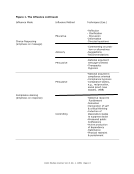
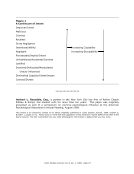
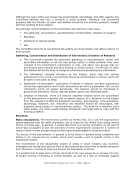
Figure 1 delineates a continuum of influence that reflects increasing intent to control
influencees as one moves down the continuum. At the top of the continuum lie nondirective
techniques, such as reflection and clarification. At the other extreme are physical restraint
and punishment. The specific techniques in the figure have been grouped into four methods
of influence: educative, advisory, persuasive, and controlling. Education, advice, and some
forms of persuasion are classified under the choice-respecting mode of influence, which
seeks to effectively communicate one‟s message, while most of persuasion and all of control
are classified under the compliance-gaining mode, which seeks to elicit a desired response
from influencees.
According to this schema, a particular social influence interaction could be categorized with
varying levels of precision, e.g., compliance-gaining mode, persuasive method, foot-in-the-
door technique. In addition, a particular environment, if observational protocols were
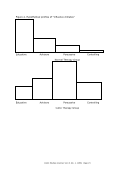
developed, could be classified according to the frequency with which various types of
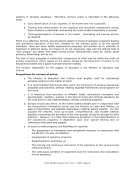
influence occur. Figure 2 illustrates two hypothetical profiles, or “climates of influence,” one
for a normal therapy group, one for a cultic therapy group.
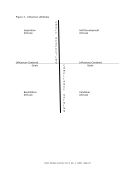
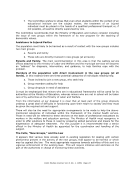
Figure 3 joins the influence continuum with an intent continuum reflecting the extremes of
100% influencer-centered goals and 100% influencee-centered goals (pertinent to rule
three above). These two continua form four quandrants, which may be considered
influencer attitudes. Influencers operating in quadrant one (inspirational attitude) seek self-
sacrificing action from influencees, but respect their freedom, identity, goals, and rationality
(example: missionary or Peace Corps recruiter). Influencers operating in quadrant two
(self-development attitude) use choice-respecting methods to help influencees achieve their
goals (example: psychotherapy). Influencers operating in quadrant three (caretaker
attitude) use compliance-gaining methods to advance influencees‟ welfare (example:
behavior modification with autistic children), while those in quadrant four (exploitative
attitude) employ compliance-gaining methods for their own benefit (example:
psychotherapy cult leader).
Influencers operating in quadrants one and two will rarely cross into ethically questionable
territory, an example of an exception being a self-proclaimed missionary without ties to any
kind of “peer review” group. Influencers operating in quadrant three are ethical only when
circumstances call for a caretaker relationship with influencees (e.g., with young children)
and when there is some accountability to others.
Influencers operating in quadrant four are rarely considered ethical, an example of an
exception being an undercover DEA agent. Some forms of exploitative influence are
tolerated, e.g., shady but legal sales tactics. Others are unethical and illegal, e.g.,
consumer fraud. Others are legal but widely denounced, e.g., the recruitment and control
tactics of some cults.
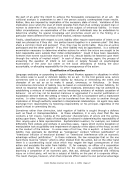
3. Influencers should give paramount consideration to the personal change goals of
influencees.
4. Influencers should respect the rationality of influencees and avoid emotional
manipulations.
5. Influencers should exercise special caution when influencees are highly stressed, as such
a state of mind can diminish influencees‟ rationality, independence, and self-awareness.
6. Influencers who believe that circumstances demand that they violate these guidelines
should be accountable to others who can help safeguard the rights and dignity of
influencees.
The Continuum of Influence: A Proposal
Figure 1 delineates a continuum of influence that reflects increasing intent to control
influencees as one moves down the continuum. At the top of the continuum lie nondirective
techniques, such as reflection and clarification. At the other extreme are physical restraint
and punishment. The specific techniques in the figure have been grouped into four methods
of influence: educative, advisory, persuasive, and controlling. Education, advice, and some
forms of persuasion are classified under the choice-respecting mode of influence, which
seeks to effectively communicate one‟s message, while most of persuasion and all of control
are classified under the compliance-gaining mode, which seeks to elicit a desired response
from influencees.
According to this schema, a particular social influence interaction could be categorized with
varying levels of precision, e.g., compliance-gaining mode, persuasive method, foot-in-the-
door technique. In addition, a particular environment, if observational protocols were
developed, could be classified according to the frequency with which various types of
influence occur. Figure 2 illustrates two hypothetical profiles, or “climates of influence,” one
for a normal therapy group, one for a cultic therapy group.
Figure 3 joins the influence continuum with an intent continuum reflecting the extremes of
100% influencer-centered goals and 100% influencee-centered goals (pertinent to rule
three above). These two continua form four quandrants, which may be considered
influencer attitudes. Influencers operating in quadrant one (inspirational attitude) seek self-
sacrificing action from influencees, but respect their freedom, identity, goals, and rationality
(example: missionary or Peace Corps recruiter). Influencers operating in quadrant two
(self-development attitude) use choice-respecting methods to help influencees achieve their
goals (example: psychotherapy). Influencers operating in quadrant three (caretaker
attitude) use compliance-gaining methods to advance influencees‟ welfare (example:
behavior modification with autistic children), while those in quadrant four (exploitative
attitude) employ compliance-gaining methods for their own benefit (example:
psychotherapy cult leader).
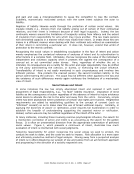
Influencers operating in quadrants one and two will rarely cross into ethically questionable
territory, an example of an exception being a self-proclaimed missionary without ties to any
kind of “peer review” group. Influencers operating in quadrant three are ethical only when
circumstances call for a caretaker relationship with influencees (e.g., with young children)
and when there is some accountability to others.
Influencers operating in quadrant four are rarely considered ethical, an example of an
exception being an undercover DEA agent. Some forms of exploitative influence are
tolerated, e.g., shady but legal sales tactics. Others are unethical and illegal, e.g.,
consumer fraud. Others are legal but widely denounced, e.g., the recruitment and control
tactics of some cults.