Cultic Studies Journal, Vol. 6, No. 1, 1989, Page 62
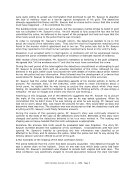
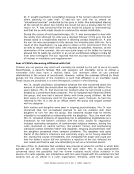
defensive denial, family trauma, depression, or other dynamics that may have been
operating in their families.
The Family’s Emotional Reaction
In-Cult
The large majority of families seen by the authors experience four predominant emotions
once they recognize that a family member is involved in a destructive organization: guilt,
anger, anxiety, and sadness. The extent to which each of these emotions is felt and the
family‟s (or family member‟s) characteristic reaction to the emotion comprise each family‟s
(or family‟s member‟s) characteristic reaction to the crisis of cult involvement. It should be
noted that there may not be unanimity in each family‟s responses. In fact, different
emotional reactions from various family members can intensify the stress felt by all family
members as they react to this situation.
Parents usually feel guilty. Every parent can find some reason for self-blame. After raising
a child to young adulthood, it is easy to find many instances when one was either
insensitive, unaware, and uninvolved, or overly sensitive, over-protective, and intrusive.
Destructive organizations capitalize upon these natural and unavoidable occurrences by
inducing the member to assign more weight and frequency to them than they may deserve.
Cults cannot change history, but they can reinterpret it. The natural, unavoidable mistakes
every parent makes are reinterpreted into heinous, unforgivable crimes by individuals
seeking to drive a wedge between family members.
Families seeking help often speak of long-forgotten slips and errors they may have made
years before which have been cited by their children as examples of supposed parental
wickedness. Indeed, some parents have even been accused of acts which they deny ever
having committed.
The P. family reported that their son, who was in a therapy cult, “discovered”
through hypnosis that he had been sexually abused by his mother and older
sister. The incredulous family denied that any such behavior ever took place
but their son refused to listen to their denials and cut all communication ties
with them, saying that he could not speak to such monsters.
It is important for the clinician to help the parents view these accusations as part of a
campaign to discredit them in their children‟s eyes and not as valid and representative
examples of their performance as parents. For some, joining a cult is related to a need for
a new idealized family because of the hurt experienced in their own families. However, the
experience of the authors and others who have worked directly with former cultists,
suggests that for the majority of those who have joined cults, joining is related more to
warding off a temporary sense of loneliness due to an age-appropriate separation from a
family that was “good enough” (Winicott, 1965), although not perfect, i.e., an average
family (Clark, 1976 Singer 1979).
Families or family members who accept the blame for the cultist‟s actions (i.e., those in
which guilt is the dominant emotion) appear to be quite depressed and often obsess about
the cult member with a sense of futility. These families often have difficulty dealing with
angry feelings and attack themselves rather than the “lost” cult member. It is helpful for
the clinician to show family members that these obsessions may be related to anger at the
cultist for rejecting the family. Next, it is important to help family members understand the
cult‟s manipulative techniques, so they are less likely to feel intentionally abandoned by the
cult member. This allows them to begin to externalize the previously self-directed anger
towards the cult, a more acceptable and realistic target. Recognizing the destructive
techniques used by these groups can begin the process of releasing some of the anger that
had been unacceptable up to that point.
defensive denial, family trauma, depression, or other dynamics that may have been
operating in their families.
The Family’s Emotional Reaction
In-Cult
The large majority of families seen by the authors experience four predominant emotions
once they recognize that a family member is involved in a destructive organization: guilt,
anger, anxiety, and sadness. The extent to which each of these emotions is felt and the
family‟s (or family member‟s) characteristic reaction to the emotion comprise each family‟s
(or family‟s member‟s) characteristic reaction to the crisis of cult involvement. It should be
noted that there may not be unanimity in each family‟s responses. In fact, different
emotional reactions from various family members can intensify the stress felt by all family
members as they react to this situation.
Parents usually feel guilty. Every parent can find some reason for self-blame. After raising
a child to young adulthood, it is easy to find many instances when one was either
insensitive, unaware, and uninvolved, or overly sensitive, over-protective, and intrusive.
Destructive organizations capitalize upon these natural and unavoidable occurrences by
inducing the member to assign more weight and frequency to them than they may deserve.
Cults cannot change history, but they can reinterpret it. The natural, unavoidable mistakes
every parent makes are reinterpreted into heinous, unforgivable crimes by individuals
seeking to drive a wedge between family members.
Families seeking help often speak of long-forgotten slips and errors they may have made
years before which have been cited by their children as examples of supposed parental
wickedness. Indeed, some parents have even been accused of acts which they deny ever
having committed.
The P. family reported that their son, who was in a therapy cult, “discovered”
through hypnosis that he had been sexually abused by his mother and older
sister. The incredulous family denied that any such behavior ever took place
but their son refused to listen to their denials and cut all communication ties
with them, saying that he could not speak to such monsters.
It is important for the clinician to help the parents view these accusations as part of a
campaign to discredit them in their children‟s eyes and not as valid and representative
examples of their performance as parents. For some, joining a cult is related to a need for
a new idealized family because of the hurt experienced in their own families. However, the
experience of the authors and others who have worked directly with former cultists,
suggests that for the majority of those who have joined cults, joining is related more to
warding off a temporary sense of loneliness due to an age-appropriate separation from a
family that was “good enough” (Winicott, 1965), although not perfect, i.e., an average
family (Clark, 1976 Singer 1979).
Families or family members who accept the blame for the cultist‟s actions (i.e., those in
which guilt is the dominant emotion) appear to be quite depressed and often obsess about
the cult member with a sense of futility. These families often have difficulty dealing with
angry feelings and attack themselves rather than the “lost” cult member. It is helpful for
the clinician to show family members that these obsessions may be related to anger at the
cultist for rejecting the family. Next, it is important to help family members understand the
cult‟s manipulative techniques, so they are less likely to feel intentionally abandoned by the
cult member. This allows them to begin to externalize the previously self-directed anger
towards the cult, a more acceptable and realistic target. Recognizing the destructive
techniques used by these groups can begin the process of releasing some of the anger that
had been unacceptable up to that point.