Cultic Studies Journal, Vol. 6, No. 1, 1989, Page 59
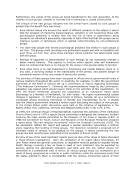
...a tendency toward inner experience and toward self-discovery become noticeable
(in adolescence) hence the religious experience ...We recognize that this
development is a form of sublimation of the child‟s love for the idealized parent and a
consequence of the final renunciation of early love objects. The feeling of “being in
love,” and a concern with philosophical, political, and social problems are typical of
adolescence proper. The decisive break with childhood‟s way of life occurs in this
phase to the years of late adolescence is left the task of testing these new and
momentous achievements, and building them into the continuance of a total life
experience. (Blos, p. 72.)
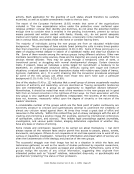
Adolescents need to develop their own guidelines. They tend to interpret as interference
and an attempt to control parental advice which a few years before would have been
welcomed (or at least tolerated). Parents learn to squelch the natural desire to provide
guidance during the separation process of adolescence, but this is offset by the feeling of
relief most parents feel when their children are finally “launched.”
Physical distance from the family, and the internal push to gain emotional distance and a
new vision of life engender in the separating young adult a sense of loss of the familiar. A
healthy desire for affiliation with something new that will replace the lost family creates
greater vulnerability to the blandishments of cults. Physical distance also enhances the
possibility that the family will be ignorant of what is occurring in the life of the young adult.
Telephone calls and letters from a cult involved child might seem somewhat strange, but
parents are likely to attribute this strangeness to more commonplace explanations. Healthy
families have a natural desire to want to believe that all is well with their youngsters,
particularly if the latter have coped successfully with previous developmental stages.
Moreover, cults are adept at hiding their true names or goals from new recruits.
The H. Family reported that when their son first told them that he had joined
an organization whose purpose was to herald a new age of peace and to fight
communism, they assumed that he would grow tired of this phase of his life
as he had grown tired of others. The family characteristically reacted to his
announcement with irony and humor, telling him to telephone them after he
had saved the world.
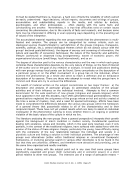
Some families may be so involved in a family trauma such as the effects of divorce, death,
or physical or emotional illness, that they have difficulty paying attention to the signals
indicating that something is wrong. In general, families which are not caught up in family
difficulties can more easily recognize, at the outset, that something is wrong in the cult
recruit‟s life than can those that are expending psychic energy on more obvious problems.
Families initially are unaware of what their child goes through when he/she joins a cultic
organization. As the authors have noted in a previous article (Goldberg &Goldberg, 1988),
when one joins a cult, the original family and parts of the self that reflect that family come
under attack. Ofshe and Singer have described how cults, in contrast to other manipulative
groups, attack the most basic characteristics of the self (Ofshe &Singer, 1986). Family and
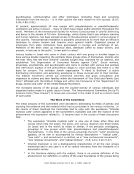
individual problems are exaggerated. A variety of psychologically sophisticated and
deceptive techniques, including indirect hypnosis, are used to induce the new recruit to
incorporate the cult‟s view of the world and to identify with the leader‟s personality, thus
giving the cult control over him or her. These techniques so overwhelm the recruit that
critical faculties and a sense of self are lost.
To protect one‟s self in the midst of confusion, reality is reorganized through identification
with the aggressor --the cult leader. Freud described how groups have the power to induce
a member to regress, conform, and replace the member‟s ego ideal with an identification
with the leader (Freud, 1931). More recently, Conway and Seigelman (1978) and Ofshe and
...a tendency toward inner experience and toward self-discovery become noticeable
(in adolescence) hence the religious experience ...We recognize that this
development is a form of sublimation of the child‟s love for the idealized parent and a
consequence of the final renunciation of early love objects. The feeling of “being in
love,” and a concern with philosophical, political, and social problems are typical of
adolescence proper. The decisive break with childhood‟s way of life occurs in this
phase to the years of late adolescence is left the task of testing these new and
momentous achievements, and building them into the continuance of a total life
experience. (Blos, p. 72.)
Adolescents need to develop their own guidelines. They tend to interpret as interference
and an attempt to control parental advice which a few years before would have been
welcomed (or at least tolerated). Parents learn to squelch the natural desire to provide
guidance during the separation process of adolescence, but this is offset by the feeling of
relief most parents feel when their children are finally “launched.”
Physical distance from the family, and the internal push to gain emotional distance and a
new vision of life engender in the separating young adult a sense of loss of the familiar. A
healthy desire for affiliation with something new that will replace the lost family creates
greater vulnerability to the blandishments of cults. Physical distance also enhances the
possibility that the family will be ignorant of what is occurring in the life of the young adult.
Telephone calls and letters from a cult involved child might seem somewhat strange, but
parents are likely to attribute this strangeness to more commonplace explanations. Healthy
families have a natural desire to want to believe that all is well with their youngsters,
particularly if the latter have coped successfully with previous developmental stages.
Moreover, cults are adept at hiding their true names or goals from new recruits.
The H. Family reported that when their son first told them that he had joined
an organization whose purpose was to herald a new age of peace and to fight
communism, they assumed that he would grow tired of this phase of his life
as he had grown tired of others. The family characteristically reacted to his
announcement with irony and humor, telling him to telephone them after he
had saved the world.
Some families may be so involved in a family trauma such as the effects of divorce, death,
or physical or emotional illness, that they have difficulty paying attention to the signals
indicating that something is wrong. In general, families which are not caught up in family
difficulties can more easily recognize, at the outset, that something is wrong in the cult
recruit‟s life than can those that are expending psychic energy on more obvious problems.
Families initially are unaware of what their child goes through when he/she joins a cultic
organization. As the authors have noted in a previous article (Goldberg &Goldberg, 1988),
when one joins a cult, the original family and parts of the self that reflect that family come
under attack. Ofshe and Singer have described how cults, in contrast to other manipulative
groups, attack the most basic characteristics of the self (Ofshe &Singer, 1986). Family and
individual problems are exaggerated. A variety of psychologically sophisticated and
deceptive techniques, including indirect hypnosis, are used to induce the new recruit to
incorporate the cult‟s view of the world and to identify with the leader‟s personality, thus
giving the cult control over him or her. These techniques so overwhelm the recruit that
critical faculties and a sense of self are lost.
To protect one‟s self in the midst of confusion, reality is reorganized through identification
with the aggressor --the cult leader. Freud described how groups have the power to induce
a member to regress, conform, and replace the member‟s ego ideal with an identification
with the leader (Freud, 1931). More recently, Conway and Seigelman (1978) and Ofshe and