Cultic Studies Journal, Vol. 6, No. 1, 1989, Page 17
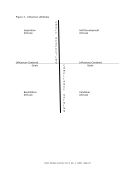
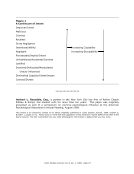
Figure three also sheds light on how some initially well-intentioned influencers can slide into
exploitative attitudes toward influencees. Psychotherapists, for example, can begin
experimenting with compliance-gaining methods in therapy. A sense of efficacy and
apparently beneficial results for clients may strengthen the therapists‟ inclination to
experiment and weaken their ethical inhibitions. As beneficial results turn into harmful
results the therapists may rationalize their failures and ethical lapses, further alienating
themselves from the ethical mainstream. Some may become so distorted in their thinking
or corrupted by their growing power over others that they begin to use clients to serve their
own needs: they enter the exploitative quadrant.
Temerlin and Temerlin (1986) briefly describe 27 techniques used by therapists who allow
the boundaries of the therapist-client relationship to erode to such a point that cultic
relationships ensue. These techniques are grouped into four areas: 1) techniques which
increase dependence 2) techniques which increase isolation (and indirectly dependence)
3) techniques which reduce critical thinking capacity and 4) techniques which discourage
termination of therapy. The dynamics with regard to cultic groups in religion, politics,
business, and other areas are essentially the same.
Specific Ethical Considerations for Psychotherapists
Several factors tend to weaken psychotherapists‟ appreciation of the ethical implications of
social influence. First, constructively influencing even very cooperative and motivated
clients using traditional therapeutic techniques is often so difficult and demanding that
therapists who stumble across new and effective techniques may become uncritically
enthusiastic and overlook ethical considerations. Second, the intense economic competition
in the psychological services industry -especially for novice practitioners --can lead to an
ignoring or downplaying of ethical considerations. Third (this factor applies to researchers
as well), psychotherapists‟ ethical training may not be as effective as it should be. Tymchuk
and his colleagues, for example, found that 58% of psychologists reported that “they were
not well enough informed about ethical issues in psychology” (Tymchuk, Drapkin, Major-
Kingsley, Ackerman, Coffman, &Baum, 1982, p. 419). Fourth, the upsurge of clinical
experimentation that began in the 1960s has resulted in an explosion of new techniques and
therapies Corsini (1973), for example, lists 192 types of therapy. Lastly, perhaps because
we lack persuasive empirical studies on the relative merits of various therapeutic
approaches, ethical guidelines of professional associations, e.g., the American Psychological
Association‟s Ethical principles for psychologists (1981) or its General guidelines for
providers of psychological services (1987), do not adequately address the ethics of
intervention, of therapeutic influence. APA‟s Ethical principles for psychologists, which
discusses responsibility, competence, moral and legal standards, public statements,
confidentiality, welfare of the consumer, professional relationships, assessment techniques,
research with human participants, and the care and use of animals, does contain a few
caveats about dual relationships and exploiting professional relationships. But it does not
enlighten us about the ethics-eroding psychological techniques that are most conspicuous
in, but not limited to, psychotherapy cults.
Fortunately, other guidelines exist. The American Psychologist (1973, p. 933) lists
“Guidelines for Psychologists Conducting Growth Groups.” An APA task force provided a
detailed report entitled, Ethical Issues in Behavior Modification (Stolz et al., 1978). And
numerous fine books have been written. But more needs to be done.
First, we should develop innovative methodologies for studying manipulative social influence
as it manifests outside the psychological laboratory. My colleague, John Clark, has called
the explosive growth of cultic groups an “impermissible experiment” because of the rapid
and radical behavioral changes he and other clinicians have attributed to powerful group
Figure three also sheds light on how some initially well-intentioned influencers can slide into
exploitative attitudes toward influencees. Psychotherapists, for example, can begin
experimenting with compliance-gaining methods in therapy. A sense of efficacy and
apparently beneficial results for clients may strengthen the therapists‟ inclination to
experiment and weaken their ethical inhibitions. As beneficial results turn into harmful
results the therapists may rationalize their failures and ethical lapses, further alienating
themselves from the ethical mainstream. Some may become so distorted in their thinking
or corrupted by their growing power over others that they begin to use clients to serve their
own needs: they enter the exploitative quadrant.
Temerlin and Temerlin (1986) briefly describe 27 techniques used by therapists who allow
the boundaries of the therapist-client relationship to erode to such a point that cultic
relationships ensue. These techniques are grouped into four areas: 1) techniques which
increase dependence 2) techniques which increase isolation (and indirectly dependence)
3) techniques which reduce critical thinking capacity and 4) techniques which discourage
termination of therapy. The dynamics with regard to cultic groups in religion, politics,
business, and other areas are essentially the same.
Specific Ethical Considerations for Psychotherapists
Several factors tend to weaken psychotherapists‟ appreciation of the ethical implications of
social influence. First, constructively influencing even very cooperative and motivated
clients using traditional therapeutic techniques is often so difficult and demanding that
therapists who stumble across new and effective techniques may become uncritically
enthusiastic and overlook ethical considerations. Second, the intense economic competition
in the psychological services industry -especially for novice practitioners --can lead to an
ignoring or downplaying of ethical considerations. Third (this factor applies to researchers
as well), psychotherapists‟ ethical training may not be as effective as it should be. Tymchuk
and his colleagues, for example, found that 58% of psychologists reported that “they were
not well enough informed about ethical issues in psychology” (Tymchuk, Drapkin, Major-
Kingsley, Ackerman, Coffman, &Baum, 1982, p. 419). Fourth, the upsurge of clinical
experimentation that began in the 1960s has resulted in an explosion of new techniques and
therapies Corsini (1973), for example, lists 192 types of therapy. Lastly, perhaps because
we lack persuasive empirical studies on the relative merits of various therapeutic
approaches, ethical guidelines of professional associations, e.g., the American Psychological
Association‟s Ethical principles for psychologists (1981) or its General guidelines for
providers of psychological services (1987), do not adequately address the ethics of
intervention, of therapeutic influence. APA‟s Ethical principles for psychologists, which
discusses responsibility, competence, moral and legal standards, public statements,
confidentiality, welfare of the consumer, professional relationships, assessment techniques,
research with human participants, and the care and use of animals, does contain a few
caveats about dual relationships and exploiting professional relationships. But it does not
enlighten us about the ethics-eroding psychological techniques that are most conspicuous
in, but not limited to, psychotherapy cults.
Fortunately, other guidelines exist. The American Psychologist (1973, p. 933) lists
“Guidelines for Psychologists Conducting Growth Groups.” An APA task force provided a
detailed report entitled, Ethical Issues in Behavior Modification (Stolz et al., 1978). And
numerous fine books have been written. But more needs to be done.
First, we should develop innovative methodologies for studying manipulative social influence
as it manifests outside the psychological laboratory. My colleague, John Clark, has called
the explosive growth of cultic groups an “impermissible experiment” because of the rapid
and radical behavioral changes he and other clinicians have attributed to powerful group