Cultic Studies Journal, Vol. 6, No. 1, 1989, Page 39
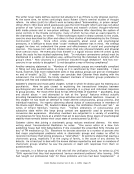
as therapy groups like those of the human potential movement), to amass a great deal of
wealth and property. The real estate, plants, and business enterprises they have purchased
or established are generally owned by the leaders of the group or those close to them. A
substantial portion of the income, whether from business or property or from contributions
or tuition fees or membership dues of believers, often reaches the private bank accounts of
the founding members of the group and its leaders. Sometimes this is even anchored in the
ideology of the group.
Tuition fees or membership dues and contributions paid by the member to his organization
often add up to considerable amounts, which increase proportionately with the length of
involvement. Only a small proportion of the income is reinvested in the various projects
(the study courses, workshops, classes, etc.). This is the direct outcome of a wide network
of voluntary work in most of the groups (firmly rooted in the ideology), including collection
of funds for the movements, recruitment and training of new recruits, and work in plants
and business enterprises which appear to belong prima facie to the entire movement. Funds
are invested in image-building and public relations which promote the expansion of the
groups and the increased growth of the leaders‟ profits. Many of the new groups have
special funds which award prizes, research grants, etc. to many and varied segments of the
population.
Many of the new groups have been given special tax status claiming that they function
nonprofitably and for commonly accepted values and causes (religion/education/culture,
etc.). They have been awarded the status of a nonprofit organization and/or a “public
institution” (and their equivalents abroad). However, some cases are known in which the
authorities abroad refused to grant new groups this status. Sometimes this status was even
withdrawn from a branch of a group following an investigation which revealed profitable
intent. New groups active in Israel with the status of a nonprofit organization strive to
obtain the further status of “a public institution,” which will given them additional benefits
and exemptions.
Some of the new groups are active throughout the world in a variety of forms, with some of
the branches working as a business enterprise for all intents and purposes, while others
hold the status of a nonprofit organization or a “public institution”. The nature of the
financial connections between the former and the latter is usually concealed and very
difficult to follow through (various branches of the same group may even have different
statuses in the same country). In this context it should be noted that in some instances the
main structures of the organization are business companies which have taken out
commercial patents on the philosophies and methods of application which they market.
Branches of organizations are tied to these companies through special agreements.
Additional facts which should be considered concern the common use in some groups of
various financial tactics that sometimes border legitimate activity: nondeclaration of income
and tax evasion, illegal transfer of monies from one country to another, and exaggerated
use of tax shelters. At least one leader or founder of a group was convicted and imprisoned
for tax evasion and there are present prosecutions by authorities against leaders and their
followers on these issues. There are even some leaders who state when establishing their
organization, that their goal is to make millions and that this is the surest and easiest way
to accomplish this aim. Within this context it should once again be stressed that in some of
the new groups fraudulent collection of funds holds a central place in their practice and
doctrine. In others commercial success in the framework of group activity is the key to
promotion in the organization‟s hierarchy.
Defenders of the new groups claim that they, like any other religious/political body, need a
strong economic base and that there is nothing wrong with the development and cultivation
of such a base. They even refute accusations concerning the considerable gap between the
as therapy groups like those of the human potential movement), to amass a great deal of
wealth and property. The real estate, plants, and business enterprises they have purchased
or established are generally owned by the leaders of the group or those close to them. A
substantial portion of the income, whether from business or property or from contributions
or tuition fees or membership dues of believers, often reaches the private bank accounts of
the founding members of the group and its leaders. Sometimes this is even anchored in the
ideology of the group.
Tuition fees or membership dues and contributions paid by the member to his organization
often add up to considerable amounts, which increase proportionately with the length of
involvement. Only a small proportion of the income is reinvested in the various projects
(the study courses, workshops, classes, etc.). This is the direct outcome of a wide network
of voluntary work in most of the groups (firmly rooted in the ideology), including collection
of funds for the movements, recruitment and training of new recruits, and work in plants
and business enterprises which appear to belong prima facie to the entire movement. Funds
are invested in image-building and public relations which promote the expansion of the
groups and the increased growth of the leaders‟ profits. Many of the new groups have
special funds which award prizes, research grants, etc. to many and varied segments of the
population.
Many of the new groups have been given special tax status claiming that they function
nonprofitably and for commonly accepted values and causes (religion/education/culture,
etc.). They have been awarded the status of a nonprofit organization and/or a “public
institution” (and their equivalents abroad). However, some cases are known in which the
authorities abroad refused to grant new groups this status. Sometimes this status was even
withdrawn from a branch of a group following an investigation which revealed profitable
intent. New groups active in Israel with the status of a nonprofit organization strive to
obtain the further status of “a public institution,” which will given them additional benefits
and exemptions.
Some of the new groups are active throughout the world in a variety of forms, with some of
the branches working as a business enterprise for all intents and purposes, while others
hold the status of a nonprofit organization or a “public institution”. The nature of the
financial connections between the former and the latter is usually concealed and very
difficult to follow through (various branches of the same group may even have different
statuses in the same country). In this context it should be noted that in some instances the
main structures of the organization are business companies which have taken out
commercial patents on the philosophies and methods of application which they market.
Branches of organizations are tied to these companies through special agreements.
Additional facts which should be considered concern the common use in some groups of
various financial tactics that sometimes border legitimate activity: nondeclaration of income
and tax evasion, illegal transfer of monies from one country to another, and exaggerated
use of tax shelters. At least one leader or founder of a group was convicted and imprisoned
for tax evasion and there are present prosecutions by authorities against leaders and their
followers on these issues. There are even some leaders who state when establishing their
organization, that their goal is to make millions and that this is the surest and easiest way
to accomplish this aim. Within this context it should once again be stressed that in some of
the new groups fraudulent collection of funds holds a central place in their practice and
doctrine. In others commercial success in the framework of group activity is the key to
promotion in the organization‟s hierarchy.
Defenders of the new groups claim that they, like any other religious/political body, need a
strong economic base and that there is nothing wrong with the development and cultivation
of such a base. They even refute accusations concerning the considerable gap between the