Cultic Studies Journal, Vol. 6, No. 1, 1989, Page 66
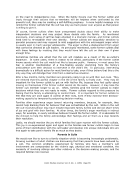
Another situation is the effect a parent‟s or parents‟ cult membership has on children who
are still in the process of growing. Sometimes this situation leads to the entire family‟s
participation in the cult or to divisiveness and divorce. In either case, just as cult
involvement interferes with the individual‟s ability to separate his/her own needs from those
of the cult, it often impedes the parent‟s ability to respond to the needs of the children
(Markowitz and Halperin, 1984).
Cult membership and subsequent leave-taking, then, affect not only the individual involved
but other family members as well. Ross and Langone point out that, “. ..it is not only ex-
cultists who must adapt, endure, and overcome. Parents, too, are acutely sensitive to the
ups and downs of reentry ....They need to vent frustrations and fears to confess feelings
of guilt and excitement, to spend time away from their child, to seek support,
encouragement, and sometimes professional assistance” (Ross &Langone, 1988). In order
to fully understand and appreciate cult involvement, it is necessary to view membership in
the context of the individual‟s life and to recognize the impact that cult involvement has on
the rest of the family. We view this situation as a crisis for the family. However, with
assistance, family members are able to develop a deeper understanding of themselves and
improved ways of communicating with one another.
References
Blos, P. (1962). On adolescence. New York: The Free Press.
Caplan, G. (1964). Principles of preventive psychiatry. New York: Basic Books, Inc.
Clark, J. (1976). Investigating the effects of some religious cults on the health and welfare
of their converts. Statement before Vermont State Legislature.
Clark, J., Langone, M., Schecter, R., &Daly, R. (1981). Destructive cult conversion:
Theory, research, and treatment. Weston, Massachusetts: American Family
Foundation.
Conway, F. and Seigelman, J. (1978). Snapping. New York: Delta.
Freud, S. (1921). Group psychology and the analysis of the ego. London: The Hogarth
Press.
Goldberg, L., &Goldberg, W. (1988). Psychotherapy with ex-cultists: Four case studies and
commentary. Cultic Studies Journal, 5, 193-210.
Kaslow, F., &Schwartz, L. (1983). Vulnerability and invulnerability to the cults: An
assessment of family dynamics, functioning and values. In D. Bagarozzi, et. al
(Eds.), New perspectives in marriage and family therapy: Issues in theory, research
and practice, 165-190. New York: Human Sciences Press.
Levine, S. (1984). Radical departures. New York: Harcourt, Brace, Jovanovich.
Markowitz, A., &Halerpin, D. (1984). Cults and children: The abuse of the young. Cultic
Studies Journal, 2, 143-155.
Ofshe, R., &Singer, M. (1986). Attacks on peripheral versus central elements of self and
the impact of thought reforming techniques. Cultic Studies Journal, 3, 1.
Ross, J., &Langone, M. (1988). Cults: What parents should know. Weston, Massachusetts:
American Family Foundation.
Singer, M. (January 1979). Coming out of the cults. Psychology Today, 72-82.
Singer, M. (1986). Consultation with families of cultists. in L.C. Wynne, T. Weber, &S.
McDaniel (Eds.) The family therapist as consultant. New York: Guilford Press.
Winnicott, D. (1953). Transitional objects and transitional phenomena. International Journal
of Psycho-Analysis 34.
************
Lorna Goldberg, M.S.W. and William Goldberg, M.S.W. are therapists in private
practice in River Edge, New Jersey. Mrs. Goldberg also is a supervisor and instructor at the
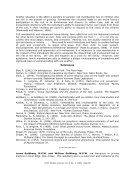
Another situation is the effect a parent‟s or parents‟ cult membership has on children who
are still in the process of growing. Sometimes this situation leads to the entire family‟s
participation in the cult or to divisiveness and divorce. In either case, just as cult
involvement interferes with the individual‟s ability to separate his/her own needs from those
of the cult, it often impedes the parent‟s ability to respond to the needs of the children
(Markowitz and Halperin, 1984).
Cult membership and subsequent leave-taking, then, affect not only the individual involved
but other family members as well. Ross and Langone point out that, “. ..it is not only ex-
cultists who must adapt, endure, and overcome. Parents, too, are acutely sensitive to the
ups and downs of reentry ....They need to vent frustrations and fears to confess feelings
of guilt and excitement, to spend time away from their child, to seek support,
encouragement, and sometimes professional assistance” (Ross &Langone, 1988). In order
to fully understand and appreciate cult involvement, it is necessary to view membership in
the context of the individual‟s life and to recognize the impact that cult involvement has on
the rest of the family. We view this situation as a crisis for the family. However, with
assistance, family members are able to develop a deeper understanding of themselves and
improved ways of communicating with one another.
References
Blos, P. (1962). On adolescence. New York: The Free Press.
Caplan, G. (1964). Principles of preventive psychiatry. New York: Basic Books, Inc.
Clark, J. (1976). Investigating the effects of some religious cults on the health and welfare
of their converts. Statement before Vermont State Legislature.
Clark, J., Langone, M., Schecter, R., &Daly, R. (1981). Destructive cult conversion:
Theory, research, and treatment. Weston, Massachusetts: American Family
Foundation.
Conway, F. and Seigelman, J. (1978). Snapping. New York: Delta.
Freud, S. (1921). Group psychology and the analysis of the ego. London: The Hogarth
Press.
Goldberg, L., &Goldberg, W. (1988). Psychotherapy with ex-cultists: Four case studies and
commentary. Cultic Studies Journal, 5, 193-210.
Kaslow, F., &Schwartz, L. (1983). Vulnerability and invulnerability to the cults: An
assessment of family dynamics, functioning and values. In D. Bagarozzi, et. al
(Eds.), New perspectives in marriage and family therapy: Issues in theory, research
and practice, 165-190. New York: Human Sciences Press.
Levine, S. (1984). Radical departures. New York: Harcourt, Brace, Jovanovich.
Markowitz, A., &Halerpin, D. (1984). Cults and children: The abuse of the young. Cultic
Studies Journal, 2, 143-155.
Ofshe, R., &Singer, M. (1986). Attacks on peripheral versus central elements of self and
the impact of thought reforming techniques. Cultic Studies Journal, 3, 1.
Ross, J., &Langone, M. (1988). Cults: What parents should know. Weston, Massachusetts:
American Family Foundation.
Singer, M. (January 1979). Coming out of the cults. Psychology Today, 72-82.
Singer, M. (1986). Consultation with families of cultists. in L.C. Wynne, T. Weber, &S.
McDaniel (Eds.) The family therapist as consultant. New York: Guilford Press.
Winnicott, D. (1953). Transitional objects and transitional phenomena. International Journal
of Psycho-Analysis 34.
************
Lorna Goldberg, M.S.W. and William Goldberg, M.S.W. are therapists in private
practice in River Edge, New Jersey. Mrs. Goldberg also is a supervisor and instructor at the