Cultic Studies Journal, Vol. 6, No. 1, 1989, Page 55
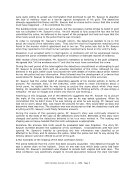
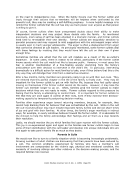
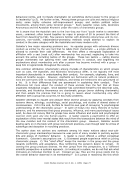
uncomfortable with her father‟s religious involvement, the primary focus in her therapy lay
in the anger she felt towards a father who had deserted her to worship after “strange gods.”
Psychiatric intervention enabled both mother and daughter to clarify their feelings and work
out a reasonable modus vivendi.
Conflicts Concerning Parental Lifestyles
Parental concern about visitation between a child and a parent who is the -member of a cult
may not be limited to a concern over potential recruitment. The ideology of a group and the
demands it may make upon its members can make visits between the cult-member parent
and a child an extremely confusing, painful and contentious experience.
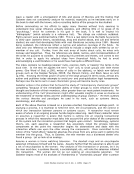
Mrs. B. sought psychiatric consultation because of the problems that were
arising around her children‟s visits with their father. The B.‟s separation was a
product of Mr. B.‟s increasing involvement in a group headed by a flamboyant
radio-evangelist. As a result of his affiliation, Mr. B. demanded that his wife
stop cooking a wide variety of foods and that she no longer observe
Christmas, birthdays, and other holidays because they were “pagan” festivals.
He even censured her for observing Mother‟s Day because it was a secular
holiday. In addition, he demanded that she defer to his authority because
“the Bible demands that wives defer to their husbands.” He also became
increasingly critical of her taking their son to an internist to treat his asthma
with medication rather than prayer.
After their separation, the children would visit their father at his parents‟
home. During the course of these visits, he would criticize them for giving him
a Father‟s Day card or for giving him birthday or Christmas presents. He
would only grudgingly give his son appropriate medication. He would
consistently criticize their mother for her refusal to cook meals which were
consistent with group practices. The children would return from these visits
confused, anxious, and depressed because of their father‟s judgmental
comments and attitudes.
Additionally, the father claimed he was no longer able to make adequate
contributions for the support of his family because of his donations towards
the support of his church.
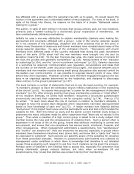
Mrs. B.‟s case illustrates a number of significant areas of conflict between the cult and the
non-cult parent. Mr. B. placed a very high priority on providing financial support to his cult.
He provided only minimal child support. The psychotherapist must be wary of being drawn
into this battle and must attempt to be objective in a situation which can easily foster
intense countertransference.
Another area of particular importance is the question of whether or not parents must
provide appropriate standards of medical care. Mrs. B. immediately raised this as a primary
issue. Indeed, cults are often skeptical of mainstream medical approaches, and members
may be somewhat reluctant to provide standard medical care. In the past, judges have
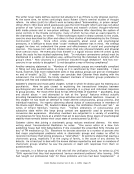
been reluctant to penalize parents who have refused to provide standard medical care for
their children. There now appears to be an evolving body of law which holds that parents do
not have the right to impose their “medical” judgments on their children because of the
occasional fatal consequences (Rubenstein, 1981). Fortunately, even the cult parent often is
amenable to outside pressure, particularly when the possibility of impeded visitation is
raised. In this area of concern, the author has noted groups which have modified their child-
care practices when faced with the threat of loss of custody or visitation.
Cults may have idiosyncratic or unusual views on education based on the primacy they
accord religion (Robbins &Anthony, 1982). Mr. B.‟s group felt that deference by women to
uncomfortable with her father‟s religious involvement, the primary focus in her therapy lay
in the anger she felt towards a father who had deserted her to worship after “strange gods.”
Psychiatric intervention enabled both mother and daughter to clarify their feelings and work
out a reasonable modus vivendi.
Conflicts Concerning Parental Lifestyles
Parental concern about visitation between a child and a parent who is the -member of a cult
may not be limited to a concern over potential recruitment. The ideology of a group and the
demands it may make upon its members can make visits between the cult-member parent
and a child an extremely confusing, painful and contentious experience.
Mrs. B. sought psychiatric consultation because of the problems that were
arising around her children‟s visits with their father. The B.‟s separation was a
product of Mr. B.‟s increasing involvement in a group headed by a flamboyant
radio-evangelist. As a result of his affiliation, Mr. B. demanded that his wife
stop cooking a wide variety of foods and that she no longer observe
Christmas, birthdays, and other holidays because they were “pagan” festivals.
He even censured her for observing Mother‟s Day because it was a secular
holiday. In addition, he demanded that she defer to his authority because
“the Bible demands that wives defer to their husbands.” He also became
increasingly critical of her taking their son to an internist to treat his asthma
with medication rather than prayer.
After their separation, the children would visit their father at his parents‟
home. During the course of these visits, he would criticize them for giving him
a Father‟s Day card or for giving him birthday or Christmas presents. He
would only grudgingly give his son appropriate medication. He would
consistently criticize their mother for her refusal to cook meals which were
consistent with group practices. The children would return from these visits
confused, anxious, and depressed because of their father‟s judgmental
comments and attitudes.
Additionally, the father claimed he was no longer able to make adequate
contributions for the support of his family because of his donations towards
the support of his church.
Mrs. B.‟s case illustrates a number of significant areas of conflict between the cult and the
non-cult parent. Mr. B. placed a very high priority on providing financial support to his cult.
He provided only minimal child support. The psychotherapist must be wary of being drawn
into this battle and must attempt to be objective in a situation which can easily foster
intense countertransference.
Another area of particular importance is the question of whether or not parents must
provide appropriate standards of medical care. Mrs. B. immediately raised this as a primary
issue. Indeed, cults are often skeptical of mainstream medical approaches, and members
may be somewhat reluctant to provide standard medical care. In the past, judges have
been reluctant to penalize parents who have refused to provide standard medical care for
their children. There now appears to be an evolving body of law which holds that parents do
not have the right to impose their “medical” judgments on their children because of the
occasional fatal consequences (Rubenstein, 1981). Fortunately, even the cult parent often is
amenable to outside pressure, particularly when the possibility of impeded visitation is
raised. In this area of concern, the author has noted groups which have modified their child-
care practices when faced with the threat of loss of custody or visitation.
Cults may have idiosyncratic or unusual views on education based on the primacy they
accord religion (Robbins &Anthony, 1982). Mr. B.‟s group felt that deference by women to