Cultic Studies Journal, Vol. 6, No. 1, 1989, Page 52
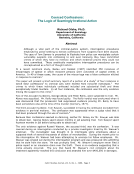
Cults and Children: The Role of the Psychotherapist
David Halperin, M.D.
Associate Clinical Professor of Psychiatry Department of Psychiatry
Mount Sinai School of Medicine New York, New York
Abstract
The interface of religion, psychotherapy, and the law remains an area of
controversy and concern especially when children are involved.A bitter
confrontation may ensue when one parent remains or becomes a member of
a cult.This paper examines the role of psychotherapists in clarifying
relationships in this conflictual area. Questions of custody and visitation are
illustrated in an examination of the transference and countertransference
issues that arise as psychotherapists attempt to reconcile their concern over
children with the freedoms granted by society.
Affiliation or membership in the unusual and often eccentric organizations that have
proliferated in the aftermath of the Vietnam war creates a complex and confusing
interaction between the mental health professions and the law. While it is difficult to define
cults with exactitude, cults have usually been defined as hierarchal organizations subject to
the totalistic control of a charismatic leader who exercises his authority under the guidance
of his individual spiritual psychological or political revelation (Halperin, 1983). Adult cult
members are encouraged to adopt life styles in which their gender roles may be rigidly
defined, educational opportunities, limited dietary restrictions aggressively enforced, access
to orthodox medical care limited if not actively discouraged and extended meditation
encouraged. There is often involvement in quasi-therapeutic relationships with cult leaders
and contact between the cult member and his biological family is frequently proscribed
(West and Singer, 1980).
The potential impact of cult involvement on the children of cult members is particularly
marked because children are usually unable to defend themselves against the possibly
destructive impact of their parents‟ cult affiliation. Thus, children may not be able to receive
appropriate medical care or eat balanced diets. They may be restricted in their contact with
their parents, may be segregated from the customs of the surrounding society vis-a-vis
participating in birthdays or other holidays, and may be subject to extraordinary corporal
discipline. Children may be subject to restrictions in every area of their life and may be
taught belief systems -that make it difficult for them to accept fundamental beliefs and
values of the mainstream culture because they run counter to the leader‟s received truths.
This paper examines the role of the psychotherapist in working with cult members and their
children. It examines the impact of cult affiliation on children and the role of the
psychotherapist in addressing the possible conflict between the rights of parents to direct
their children‟s growth and development and the role of society in acting in the “best
interests” of the child (Kandel 1988).
These cases are quite capable of eliciting an intense countertransference response from the
psychotherapist. The therapist must always be alert to his working between the Scylla of
impassioned advocacy and the Charybdis of detachment and ostensible objectivity if he is to
help the child realize his potential.
One third of those who died at Jonestown were children (Wooden, 1981). This tragedy
stands as a menacing backdrop when considering the potentially destructive impact of a cult
Cults and Children: The Role of the Psychotherapist
David Halperin, M.D.
Associate Clinical Professor of Psychiatry Department of Psychiatry
Mount Sinai School of Medicine New York, New York
Abstract
The interface of religion, psychotherapy, and the law remains an area of
controversy and concern especially when children are involved.A bitter
confrontation may ensue when one parent remains or becomes a member of
a cult.This paper examines the role of psychotherapists in clarifying
relationships in this conflictual area. Questions of custody and visitation are
illustrated in an examination of the transference and countertransference
issues that arise as psychotherapists attempt to reconcile their concern over
children with the freedoms granted by society.
Affiliation or membership in the unusual and often eccentric organizations that have
proliferated in the aftermath of the Vietnam war creates a complex and confusing
interaction between the mental health professions and the law. While it is difficult to define
cults with exactitude, cults have usually been defined as hierarchal organizations subject to
the totalistic control of a charismatic leader who exercises his authority under the guidance
of his individual spiritual psychological or political revelation (Halperin, 1983). Adult cult
members are encouraged to adopt life styles in which their gender roles may be rigidly
defined, educational opportunities, limited dietary restrictions aggressively enforced, access
to orthodox medical care limited if not actively discouraged and extended meditation
encouraged. There is often involvement in quasi-therapeutic relationships with cult leaders
and contact between the cult member and his biological family is frequently proscribed
(West and Singer, 1980).
The potential impact of cult involvement on the children of cult members is particularly
marked because children are usually unable to defend themselves against the possibly
destructive impact of their parents‟ cult affiliation. Thus, children may not be able to receive
appropriate medical care or eat balanced diets. They may be restricted in their contact with
their parents, may be segregated from the customs of the surrounding society vis-a-vis
participating in birthdays or other holidays, and may be subject to extraordinary corporal
discipline. Children may be subject to restrictions in every area of their life and may be
taught belief systems -that make it difficult for them to accept fundamental beliefs and
values of the mainstream culture because they run counter to the leader‟s received truths.
This paper examines the role of the psychotherapist in working with cult members and their
children. It examines the impact of cult affiliation on children and the role of the
psychotherapist in addressing the possible conflict between the rights of parents to direct
their children‟s growth and development and the role of society in acting in the “best
interests” of the child (Kandel 1988).
These cases are quite capable of eliciting an intense countertransference response from the
psychotherapist. The therapist must always be alert to his working between the Scylla of
impassioned advocacy and the Charybdis of detachment and ostensible objectivity if he is to
help the child realize his potential.
One third of those who died at Jonestown were children (Wooden, 1981). This tragedy
stands as a menacing backdrop when considering the potentially destructive impact of a cult