Cultic Studies Journal, Vol. 6, No. 1, 1989, Page 40
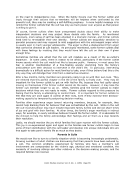
extravagant and luxurious lifestyle of some of the group leaders and the austerity and
asceticism practiced by members of the rank and file. Although this gap is generally
anchored in the group‟s ideology, there is no wrong in this, they claim, for similar
phenomena can be found in other cultures as well. Furthermore, they claim, it cannot be
proven that the chief object of the leaders is power and wealth and that they do not
genuinely believe in their mission or that they act out of deceit and cynicism.
Critics of the new groups counter by saying that this kind of approach only takes into
account a limited number of relevant facts and gives simplistic answers to complex and
complicated issues. The economic aspects of the phenomenon should not be examined
without reference to its other aspects interaction between the various elements must be
considered. The proposition that there is nothing wrong in the building of a strong
economic foundation by a religious/political body which is no different from other
religious/political bodies is like placing the cart before the horse. These are organizations
which “operate under the protection given to religious bodies,” a protection granted to them
because of certain similarities to religious bodies, whereas their general identity and nature
is still shrouded in a cloud of mystery, a mystery in which disquieting signals are already
apparent.
The Committee is of the opinion that the fears expressed by the critics are not groundless.
The Committee regards with concern the almost automatic granting of nonprofit
organization and/or “public institution” status to new groups. The bestowal of this status
without thorough inspection may result in the granting of tax benefits to entities whose
objectives are business enterprises, as well as to the promotion of the positive image of
entities whose goals and methods of operation are inconsistent with those required of a
nonprofit organization or a “public institution”.
In the light of what is known about the financial behavior abroad of the groups discussed,
and because their branches in Israel have widespread connections with the groups‟
headquarters abroad, the Committee also concludes that thought should be given to the
operation of the laws and regulations concerning foreign currency and the way the new
groups active in this country abide by these laws and
Recommendations
Preface
Members of the Committee believe that it is the obligation of the establishment to protect
freedom of faith and liberty of thought, to encourage cultural pluralism, and to ensure the
possibility of the growth and existence of movements which are innovative and different.
However, no society exists in a total moral vacuum. A common foundation, no matter how
limited, directs in most western democracies the systems of education, law, and mental
health. At the center of these lies a certain perception of the individual and the relationship
between people and groups. The very belief in freedom of belief is derived from this
common foundation.
In light of the above, the Committee members believe that it is the right and, moreover, the
obligation of society to take a stance when actions (or organized preaching) are involved,
which are opposed to the common moral foundation upon which the society is based.
The Committee members are fully aware of the extreme caution which must be exercised by
those considering the limitation of freedom however small, and are convinced that adoption
of a general policy that would prejudice individuals or groups must be avoided.
Furthermore, the Committee feels it imperative to warn against behavior which may amount
to harassment of an individual or a group due to unusual beliefs or leaders.
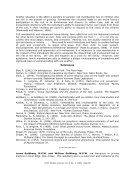
extravagant and luxurious lifestyle of some of the group leaders and the austerity and
asceticism practiced by members of the rank and file. Although this gap is generally
anchored in the group‟s ideology, there is no wrong in this, they claim, for similar
phenomena can be found in other cultures as well. Furthermore, they claim, it cannot be
proven that the chief object of the leaders is power and wealth and that they do not
genuinely believe in their mission or that they act out of deceit and cynicism.
Critics of the new groups counter by saying that this kind of approach only takes into
account a limited number of relevant facts and gives simplistic answers to complex and
complicated issues. The economic aspects of the phenomenon should not be examined
without reference to its other aspects interaction between the various elements must be
considered. The proposition that there is nothing wrong in the building of a strong
economic foundation by a religious/political body which is no different from other
religious/political bodies is like placing the cart before the horse. These are organizations
which “operate under the protection given to religious bodies,” a protection granted to them
because of certain similarities to religious bodies, whereas their general identity and nature
is still shrouded in a cloud of mystery, a mystery in which disquieting signals are already
apparent.
The Committee is of the opinion that the fears expressed by the critics are not groundless.
The Committee regards with concern the almost automatic granting of nonprofit
organization and/or “public institution” status to new groups. The bestowal of this status
without thorough inspection may result in the granting of tax benefits to entities whose
objectives are business enterprises, as well as to the promotion of the positive image of
entities whose goals and methods of operation are inconsistent with those required of a
nonprofit organization or a “public institution”.
In the light of what is known about the financial behavior abroad of the groups discussed,
and because their branches in Israel have widespread connections with the groups‟
headquarters abroad, the Committee also concludes that thought should be given to the
operation of the laws and regulations concerning foreign currency and the way the new
groups active in this country abide by these laws and
Recommendations
Preface
Members of the Committee believe that it is the obligation of the establishment to protect
freedom of faith and liberty of thought, to encourage cultural pluralism, and to ensure the
possibility of the growth and existence of movements which are innovative and different.
However, no society exists in a total moral vacuum. A common foundation, no matter how
limited, directs in most western democracies the systems of education, law, and mental
health. At the center of these lies a certain perception of the individual and the relationship
between people and groups. The very belief in freedom of belief is derived from this
common foundation.
In light of the above, the Committee members believe that it is the right and, moreover, the
obligation of society to take a stance when actions (or organized preaching) are involved,
which are opposed to the common moral foundation upon which the society is based.
The Committee members are fully aware of the extreme caution which must be exercised by
those considering the limitation of freedom however small, and are convinced that adoption
of a general policy that would prejudice individuals or groups must be avoided.
Furthermore, the Committee feels it imperative to warn against behavior which may amount
to harassment of an individual or a group due to unusual beliefs or leaders.